

ENI, an enterprise-grade modular Layer 1 built for large-scale commercial use, has formally signed a cooperation document with Malaysia Blockchain Infrastructure (MBI). ENI Permata Helios has been recognized as an Official Industry Ecosystem Partner of MBI. The document also explicitly recognizes ENI’s role in advancing digital innovation, industry development and ecosystem enablement within Malaysia’s national digital trust framework. The partnership will now move into three concrete areas: industry use cases, infrastructure integration and local ecosystem development.
ENI uses a Mainnet+Hub+AppChain architecture to provide enterprises with configurable on-chain environments for BaaS, RWA, payments and AI Agent applications. Its disclosed single-chain throughput exceeds 20,000 TPS, with further horizontal scaling through AppChains.
MBI, short for Malaysia Blockchain Infrastructure, positions itself as Malaysia’s Blockchain Trust Platform-as-a-Service (TPaaS), built around Trusted Credentials, Trusted Transactions and Trusted Data. It serves as a local infrastructure layer connecting blockchain technology with industry adoption.
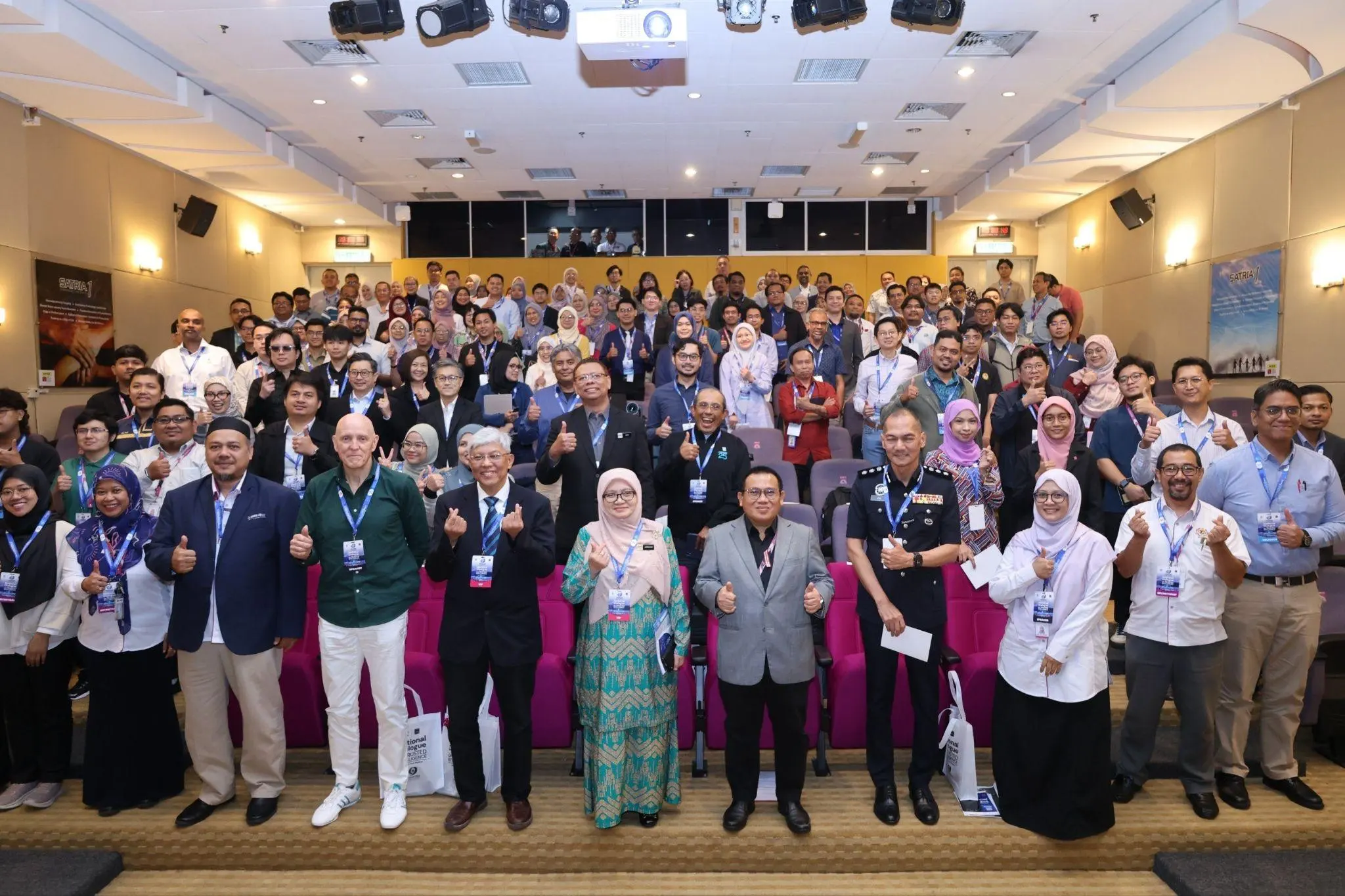
Figure 1: ENI team engaging in local partnership discussions and industry activities in Malaysia
Three Cooperation Priorities Move the Partnership Toward Execution
ENI and MBI had already been working together through local industry dialogue, technical exchange and use-case exploration in Malaysia. The new agreement formalizes the next stage and defines three clear priorities:
1. Industry use cases and real deployment
Both sides will identify industry-relevant use cases, launch pilot projects and proofs of concept, and explore real-world deployment. ENI will contribute its enterprise-grade modular Layer 1 and Mainnet+Hub+AppChain architecture to provide scalable and configurable on-chain environments for different industries.
2. Infrastructure and technical integration
Industry solutions will be integrated with MBI infrastructure, APIs and services. ENI has specified Mainnet, Testnet, EVM JSON-RPC, Cosmos/CometBFT RPC, REST and gRPC interfaces, while AppChain and application-layer permission controls can be configured for enterprise security, governance and compliance requirements.
3. Local innovation and ecosystem development
ENI may participate in MBI sandbox initiatives, accelerator programs and digital economy projects, while supporting workshops, forums and industry engagement. A Malaysia-specific compliance review will also be part of the integration process, helping future deployments align with local data protection and regulatory requirements.
From Technical Integration to Local Compliance
Another priority is to bring technical integration, permission controls and local compliance into one deployment path. ENI Mainnet remains public, permissionless and EVM-compatible, while AppChain, API and application layers can support permissioned access controls for enterprise security, data isolation and governance.
On compliance, ENI will conduct a Malaysia-specific review aligned with the Personal Data Protection Act 2010. Both sides will also define enterprise service standards based on the final deployment model, including SLA, network monitoring, incident response and technical support.
Malaysia as a Key Localization Case for ENI
The MBI partnership is also part of ENI’s regional localization strategy. ENI is building Superteams across Japan, South Korea, Indonesia and Malaysia to connect enterprises, developers, communities and partners, providing local market access and execution support for enterprise deployment.
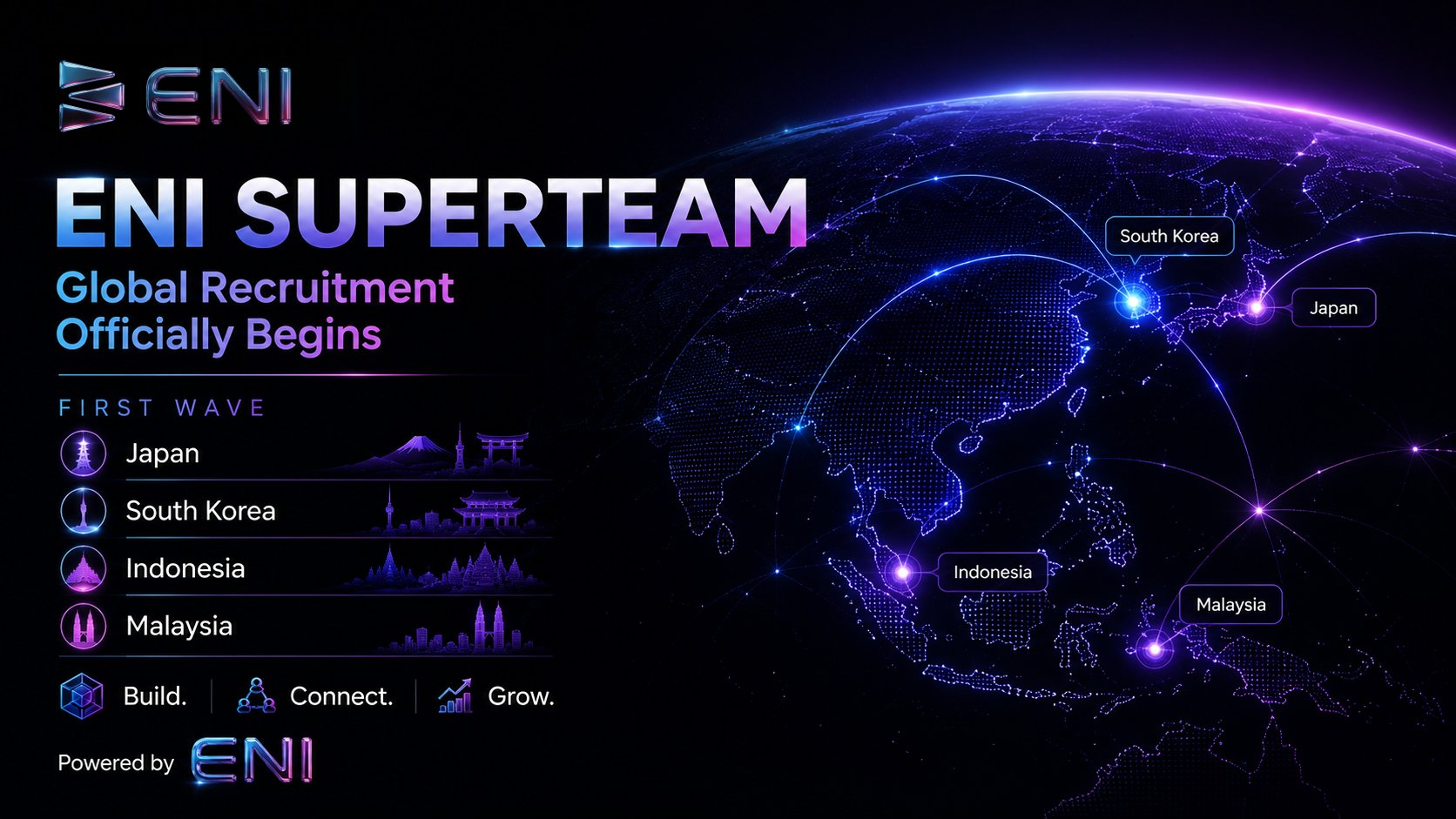
Figure 2: ENI Superteam’s first wave covers Japan, South Korea, Indonesia and Malaysia
Under the agreement, ENI can work with MBI and its ecosystem partners on a structured path from innovation validation to production deployment, while connecting with local industry resources and cross-sector collaboration. For ENI, Malaysia is not only another partnership market, but also a test of whether its enterprise technology, compliance capabilities and local ecosystem can form a repeatable deployment model.
If this path continues, the partnership could expand from individual projects into enterprise data, payments, supply chains, digital identity and RWA.
From strategic cooperation to formal signing and three clearly defined cooperation priorities, the ENI-MBI relationship has entered a more concrete execution stage. For ENI, this is also an important test of moving enterprise blockchain infrastructure from technical capability into regional industry deployment.


All Comments