


As the integration of traditional finance and the Web3 ecosystem accelerates, Real World Assets (RWA) are reaching a critical inflection point—transitioning from conceptual exploration to institutional-grade adoption. However, despite the vision of a trillion-dollar market, the industry still faces three major chasms: lack of trust, strict compliance barriers, and fragmented liquidity.
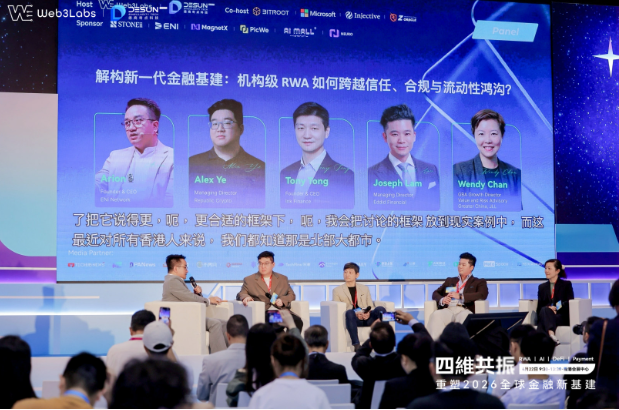
Recently, at a Web3Festival side event, during the in-depth panel discussion titled "Deconstructing Next-Gen Financial Infrastructure: How Institutional-Grade RWA Crosses the Chasm of Trust, Compliance, and Liquidity", ENI brought together industry veterans and ecosystem leaders to explore the infrastructure pain points, compliance pathways, and future trends of RWA. As a next-generation Layer 1 infrastructure deeply rooted in the institutional ecosystem, ENI shared its strategic approach to reshaping the RWA value capture network through robust compliance frameworks and technological foundations. Below is the edited transcript of the panel's key insights.
Panelists:
- Wendy Chan, GBA Growth Director, JLL
- Tony Tong, Founder & CEO of Ink Finance
- Joseph Lam, Managing Director of Eddid Financial
- Alex Ye, Managing Director of Republic Crypto
Part 1: Opening & Setting the Scene
Arion Ho (ENI Network)
Welcome everyone to today's panel. Today we are tackling a critical topic: How to deconstruct the new generation of financial infrastructure. Specifically, when institutional-grade players enter the Web3 space, how do they bridge the gap between trust, compliance, and liquidity?
To make this discussion concrete, we won't just talk about abstract theories. We are framing this around a massive, real-world case study: the Northern Metropolis in Hong Kong. This is not merely a real estate project; it is a completely redesigned economic system involving land restructuring, industrial planning, and cross-border capital. The core question we must answer today is: If we put a 'city' on-chain, how does it evolve from a mere asset into a fully operational financial system?
To answer this, I am honored to be joined by ENI‘s closest strategic partners, representing the flawless sequence required for this evolution: JLL representing the Asset layer, Ink Finance representing Structure, Eddid Financial representing Trust, and Republic representing Capital.
Part 2: The Asset Layer
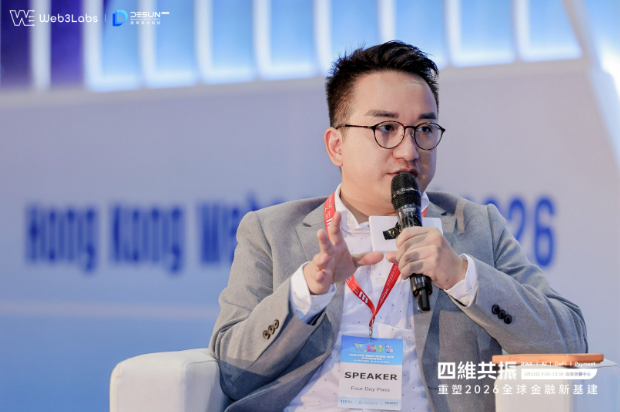
Arion Ho (ENI Network):
First, I’d like to turn to our long-time partner, Wendy. JLL holds absolute authority in global real estate consulting. Wendy, for a project as massive and complex as the "Northern Metropolis," what do you see as the core opportunity for RWA tokenization? And where do the toughest compliance challenges lie today?
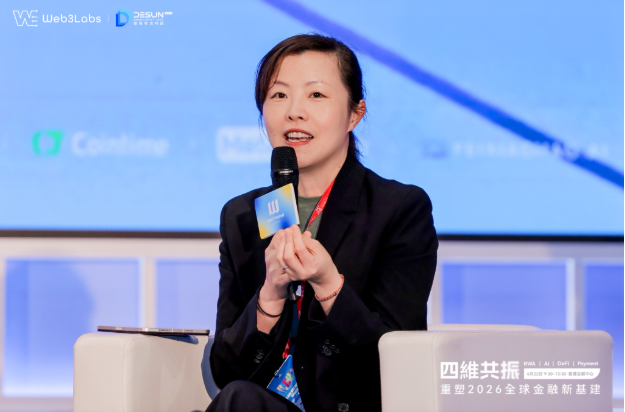
Wendy Chan (JLL):
Thank you. It's an honor to be here. The Northern Metropolis is a mega-sized Hong Kong development initiative covering over 30,000 hectares, involving massive financing needs. The government is transferring execution risks and upfront costs to master developers. This is where RWA tokenization is highly relevant. We are talking about converting development rights and future cash flows into digitalized tokens.
The benefits are clear: First, accessibility. We can have different tranches, like senior tokens, equity tokens to fit different institutional or accredited investors. Second, credibility and transparency. With permissioned blockchains and smart contracts, people have real-time data access, eliminating middlemen and building trust. Third, liquidity. A secondary market allows these tokens to be traded, bringing in global investors.
Part 3: The Structure Layer
Arion Ho (ENI Network):
Now that JLL has defined the massive scale of the physical asset, we must transition to how it is structured on-chain. This is where the expertise of Ink Finance comes in.
Tony, if we view the Northern Metropolis as an RWA project, what exactly is being 'tokenized'? Is it the land itself, the future cash flow, or the entire structure of development rights?
Tony Tong (Ink Finance):
For a project of this size, it's not realistic to say it's entirely "RWA dependent" right now. What is realistic is to make it "RWA ready". From a regulatory perspective, you can't just design a multi-billion dollar project to be financed solely through RWA from day one.
What we would do is a two-tier execution. The first tier is entirely TradFi. Every financing vehicle is set up traditionally. But within every vehicle, you carve out a tranche—a feeder fund. That feeder fund itself is tokenized. The TradFi players act as primary dealers; they warehouse these equity assets. Then, you allow the Web3 market to digest it. You feed, say, 5% into an equity tranche, bring it to the blockchain world, recompose it, and let the market digest it. That is how you get things going from the ground up for multi-billion dollar funding.
Arion Ho (ENI Network):
That is a brilliant breakdown, Tony. It highlights exactly why we partner with Ink Finance, you understand that Web3 must accommodate TradFi's strict standards, not the other way around.
Part 4: The Trust Layer
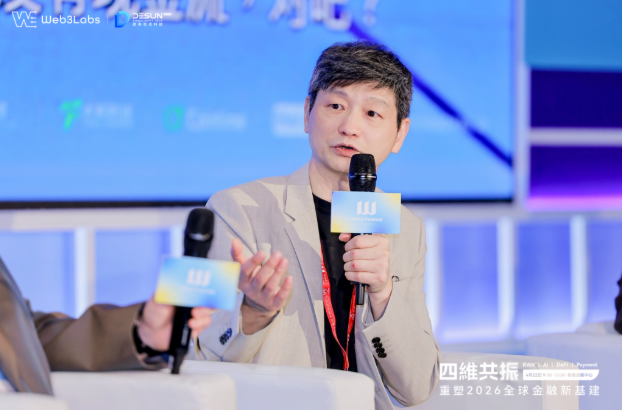
Arion Ho (ENI Network):
Let's pivot to the institutional perspective with Eddid Financial. Joseph’s firm, Eddid Financial, is a benchmark for licensed institutions and a key strategic ally for ENI. Joseph, in massive projects like this, trust doesn’t just come from on-chain transparency; it comes from the law, regulation, and the traditional financial system. When institutions enter Web3, what do they truly need: a shiny new product, or a trusted, compliant system environment?
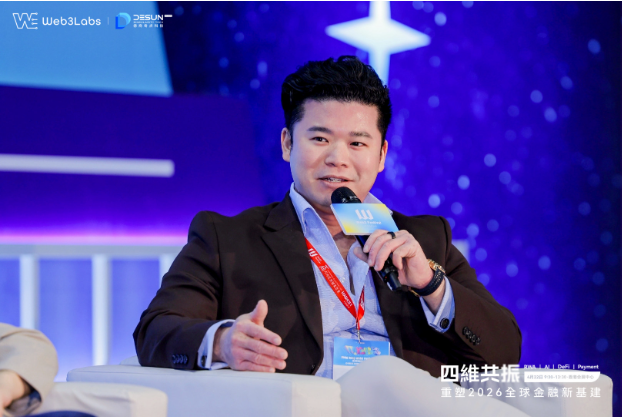
Joseph Lam (Eddid Financial):
When we compose financial products, we must be sure of their fair market worth. That means verifying such ownership, the legality of the title, and the fair valuation of the underlying assets. For compliance officers, they need to know how these assets can be verified and translated into on-chain languages such as smart contracts and tokens.
Furthermore, we need to educate the crypto world to connect with the traditional financial world by not only creating a new investment market for traditional investors but also a platform for traditional assets to offer via on-chain platforms. RWA allows traditional assets to penetrate into new sectors and new groups of investors, bringing real estate and real-world products to the Web3 ecosystem. That creates a two-ways channel for tech geeks and crypto investors to invest in traditional products and make them thrive as well as allowing traditional investors to participate in the new era of investment environment.
Part 5: The Capital Layer
Arion Ho (ENI Network):
Alex, from Republic's perspective, does the current RWA market lack actual 'assets', or does it lack a 'distribution system' capable of absorbing institutional capital?
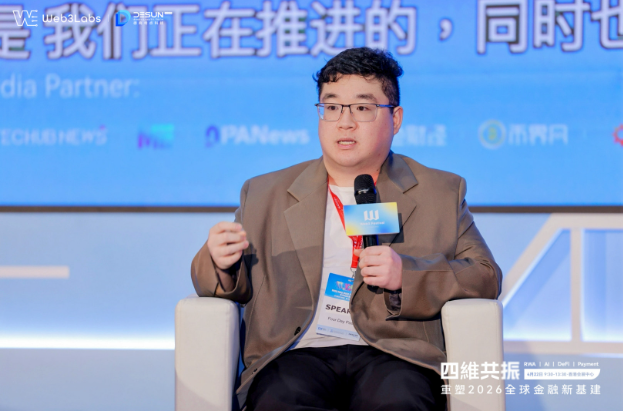
Alex Ye (Republic Crypto):
We at Republic do not believe in an open marketplace for the RWA industry. Spot access trading for these assets won't succeed like it does in crypto. Therefore, we need to create, and this is something we are doing in partnership with Ink Finance and ENI here in Asia, the concept of "Vaults".
A Vault is an aggregated vehicle of capital (retail and institutional) with logic that buys up the tokenized asset. The tokenized RWA is inventory; the Vault is the fund that buys it. The Vault does two things: First, it protects and executes on the interests of the buyers. Second, it offers capabilities like leverage. You can take a loan against your deposit, reinvest it, or buy protection against it. We are heading towards a private banking system where anyone with an internet connection can get exposure, eventually interacting with a conversational AI layer to execute these complex strategies seamlessly.
Part 6: Closing Summary
Arion Ho (ENI Network):
Thank you to all our panelists. Traditional public blockchains face a massive 'Infrastructure Paradox'—they force institutions to choose between 'Data Isolation' for privacy and 'Liquidity Sharing' for markets. Furthermore, as Alex alluded to with conversational interfaces, current systems are not built for the future of AI-driven execution.
This is exactly why we built the ENI Network. To solve the Infrastructure Paradox, ENI gives institutions the strict data isolation they require, while our underlying network ensures global liquidity sharing. And to bridge the AI execution gap, ENI is a dynamic settlement system fully prepared for AI Agents.
The panelists sitting here today are all close strategic partners of ENI, with the majority having already signed MOUs with us. As an L1 blockchain, ENI is actively forging deep partnerships across every layer of the industry, from front-end asset origination to back-end compliance and capital distribution. We have cultivated an exceptionally strong and extensive network of institutional partners, a true 'circle of friends' at the highest level of TradFi and Web3. Together with this powerful ecosystem, we are building the bridge that institutional RWA desperately needs, aiming to be the preferred chain in Hong Kong and across Asia. Thank you all for joining us today.


All Comments