


Key Takeaways:
- Decentralized social media are blockchain-based platforms for social interaction, content creation, and distribution.
- Decentralized social platforms run on independently governed servers rather than centralized servers regulated by corporations and government agencies.
- The decentralized structure advocates for freedom of expression and thwarts censorship.
- Decentralized social media platforms are more secure and preserve users' privacy since they are built on blockchain technology.
Social media plays a significant role in our daily communications and interactions, especially in the digital age. According to Smart Insights, over 50% of the world's population has access to social media. But the centralized control of social networks has caused numerous problems, such as data breaches, server outages, de-platforming, censorship, and privacy violations.
Imagine a world where you can share your thoughts and ideas without the fear of censorship or having your content taken down. A world where your data is not collected and sold to advertisers but instead kept private and secure. This is the promise of decentralized social media.
In this guide, you will learn what decentralized social media is, how it differs from centralized social media, the key features of decentralized social media networks, and seven decentralized social media platforms to check out.
What is Decentralized Social Media?
Decentralized social media is an open-source, blockchain-based alternative to traditional social media networks like Facebook, Twitter, YouTube, etc. They operate on independent servers or nodes, which operate on a peer-to-peer network across the globe, meaning corporations and government agencies do not control them, unlike centralized social platforms. Instead, the users are in charge of critical decisions around how the decentralized social media functions.
If you are familiar with cryptocurrencies, you have likely encountered the word “decentralization.” Blockchain is the technology behind decentralization. It enables social media users to enjoy a more secure, transparent, decentralized social network devoid of central authority or point-of-failure. You can access decentralized social media platforms like you access decentralized apps (dApps). Moreover, decentralized social media platforms are more secure and transparent and are resistant to online attacks and censorship.
Decentralized media platforms utilize blockchain technology to store and manage data and user activity on decentralized networks rather than central servers. In other words, they are designed to operate without a central authority or centralized control. Instead of relying on a single company or organization to host and manage the platform, decentralized platforms use a distributed network of computers to store and manage data.
This gives users on decentralized social media platforms more control over their data and privacy, as the decentralized nature of the platforms means that user data is not stored in a central location that the platform or third parties can acces.
Decentralized social media platforms also often use cryptocurrency or tokens as a means of rewarding users for their contributions to the platform. This can include creating and sharing content, curating and moderating content, or simply engaging with the platform.
Decentralized vs Centralized Social Media
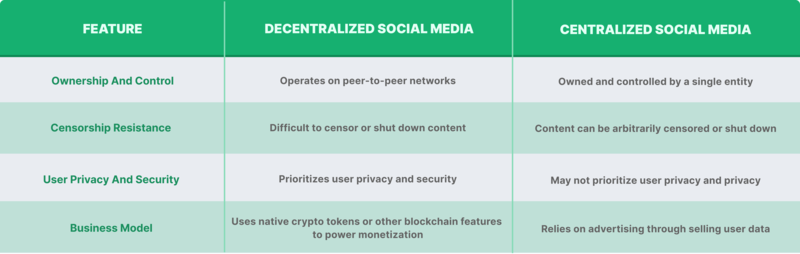
Decentralized social media differs from centralized social media in many ways. Here are the key ones:
First, decentralized social media platforms are not owned or controlled by a single entity. Instead, they are built on decentralized technologies such as blockchain and operate on peer-to-peer (P2P) networks, which are distributed across many different devices and not stored on a central server. The decentralized structure makes it much more difficult for these platforms to be censored or shut down, as there is no central point of control.
Second, decentralized social media platforms often prioritize user privacy and security. Because a single entity does not control them, user data is less likely to be accessed or misused. Additionally, many decentralized social media platforms use encryption to protect user data, which in turn allows users to have more control over their data.
Finally, decentralized social media platforms often have different business models than centralized platforms. Instead of relying on advertising revenue or selling user data, many decentralized social media platforms use tokens or other forms of cryptocurrency to monetize their platforms, while enabling their creators with new ways to monetize their dcontent.
Key Features of Decentralized Social Media Networks
These are the key features of decentralized social networks:
Decentralized control: Decentralized social media networks are maintained and governed by a decentralized network of users instead of a single entity or organization. This means that there is no central point of control or censorship, and users have greater control over their data and privacy.
Censorship resistance: Since decentralized social media networks do not rely on a central authority, it is difficult for them to be censored or shut down by governments or other external parties. This makes them a valuable tool for users who live in countries with restrictive internet policies.
Privacy protection: Decentralized social media networks often prioritize user privacy through cryptographic technologies to protect user data and communications. This can help to prevent data breaches and protect users from surveillance and tracking.
Token-based business model: Many decentralized social media networks use tokens to incentivize user participation and content creation. This can create a more engaging and active community and provide financial rewards for users who contribute valuable content to the platform.
Interoperability: Decentralized social media networks are often designed to be interoperable with other decentralized platforms, meaning users can exchange data and interact with each other in a seamless and decentralized manner. This can create a more connected and integrated decentralized ecosystem.
Seven Decentralized Social Media Platforms to Check Out
Below are seven decentralized social media platforms to keep an eye on:
Minds
Minds is a decentralized social media platform that aims to provide a more open and censorship-resistant alternative to mainstream platforms like Facebook and Twitter. It is built on top of the Ethereum ecosystem. You can create a profile, post content, and interact with others using the Like, Comment, and Share features.
You can earn Minds (MINDS) tokens by performing basic activities that you would do on a social media platform. For instance, you can create a post, like or dislike someone's post, share a picture, upload a video, or create an article. Every action you perform on the platform carries specific points. The platform then sums up these points and gives you a daily token payout equivalent to the number of tokens dispersed by the forum daily divided by the percentage of points you contributed. You can buy or sell MINDS tokens on exchanges like BKEX and Uniswap.
Blockster
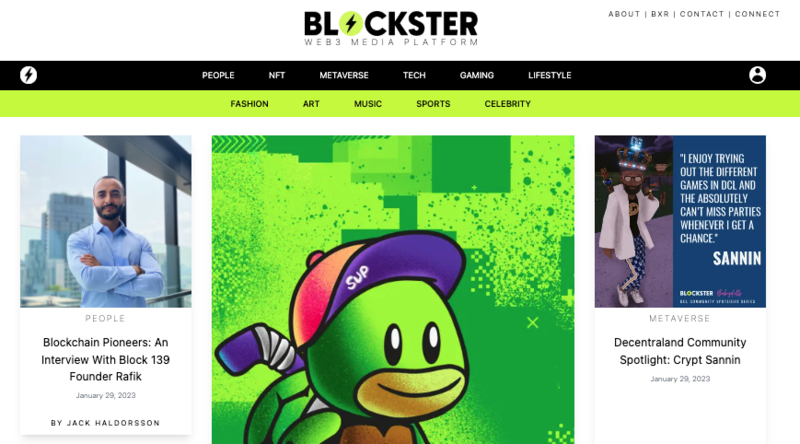
Blockster stands out with its lively newsfeed and focuses on the web3 niche. It claims to connect over 200 million crypto enthusiasts globally. It has its native token, BXR, which you can use to:
- Purchase ads
- Buy NFTs and in-game items, and pay for services at the Blockster marketplace
- Stake
- Participate in community governance
- Tip other content creators
Blockster only allows creators to publish blockchain-based content, enabling the crypto community to receive trending news, ideas, yield generating tips, and general industry information. Besides, cryptocurrency projects can create company pages (like LinkedIn), conduct marketing campaigns, and establish an engaged fan base.
D.Tube
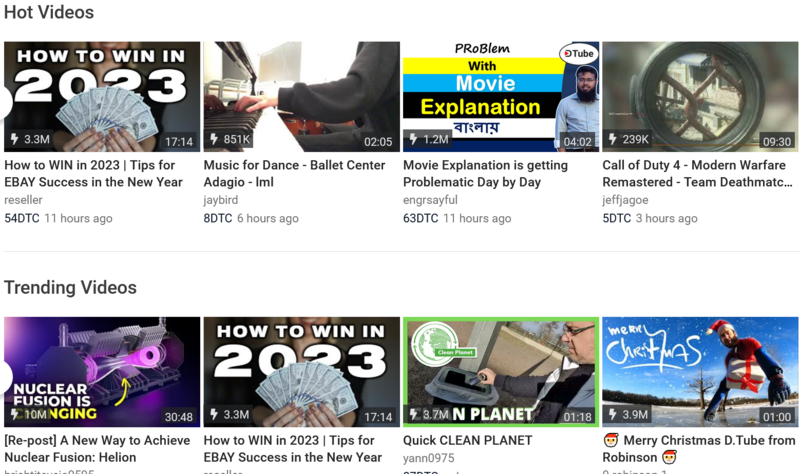
D.Tube is a decentralized video-sharing platform that runs on the Interplanetary File System (IPFS). It allows users to upload and share videos without relying on a central server, which means that the platform is resistant to censorship and can't be taken down by a single entity. To use D.Tube, you'll need to install a browser that supports the IPFS protocol, such as the Brave browser or the Chrome extension MetaMask. Then, you can visit the D.Tube website and browse or upload videos as you would on any other video-sharing platform.
One key difference between D.Tube and traditional video-sharing platforms is that it uses DTUBE tokens to reward users for their contributions. The platform doesn't recommend videos to users; instead, the community has a say. When other users like and vote for your video, it goes viral and ranks in the trending videos. Moreover, as the creator, you’ll earn more DTUBE rewards.
Cent
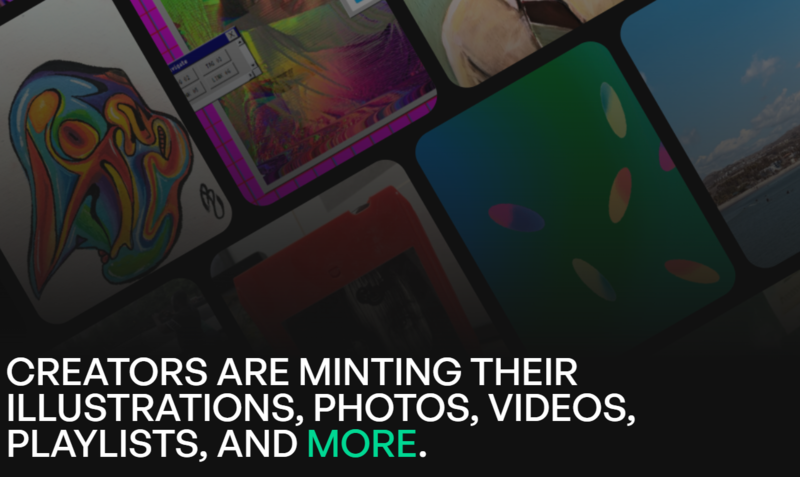
Cent obtained its name from in(cent)ivization and de(cent)ralization. It was established in 2017 as an ad-free creator platform, which lets users give each other cryptocurrency rewards for valuable posts and comments. It's similar to giving awards on Reddit, but with blockchain. In 2020, Cents launched Valuables, a non-fungible token (NFT) marketplace for tweets. Three months later, former Twitter CEO Jack Dorsey minted Twitter's pioneer Tweet via Cent's Valuables.
Cent Pages provides creators with personalized, branded pages that can be customized, lettting them manage their audiences. Audiences can directly subscribe to the pages of creators that interest them, receiving notifications of every new NFT release. They also have a Doodles page, featuring Cent creators, where users can subscribe to creators that interest them, then collect the NFTs for free.
They've also recently launced The Collect Button, an embeddable tool that promises to turn anything on your site into an NFT.
BitClout
BitClout is an open-source blockchain project like Bitcoin with a mission of decentralizing social media. You get your personal creator token by simply signing up on the platform. BitClout aims to empower social media users to monetize their online presence and influence. For example, if you strongly believe in the potential of an upcoming musician, or footballer, you can purchase their tokens to support them. This way, you will also financially succeed with your stars when their rates rise. Like other cryptocurrencies, the prices of the tokens are controlled by the forces of demand and supply.
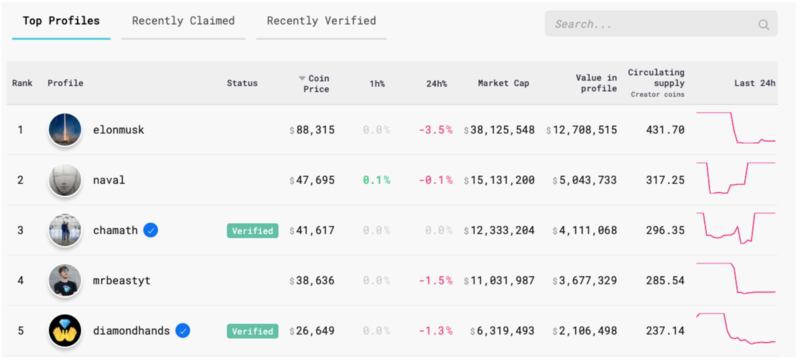
Generally, BitClout shares similar features with Twitter. For instance, texts are restricted to 280 characters, and you can only publish photos and videos of up to 2 megabytes. However, with BitClout, you can purchase another user's token and retweet them, ensuring you also get bragging rights along with the financial benefits.
BitClout was a prototype created to experiment with the DeSo blockchain, a Layer 1 built for decentralizing social networks. The site now directs to Diamond App, touted as a decentralized and open-source web3 Twitter-style app.
Flote
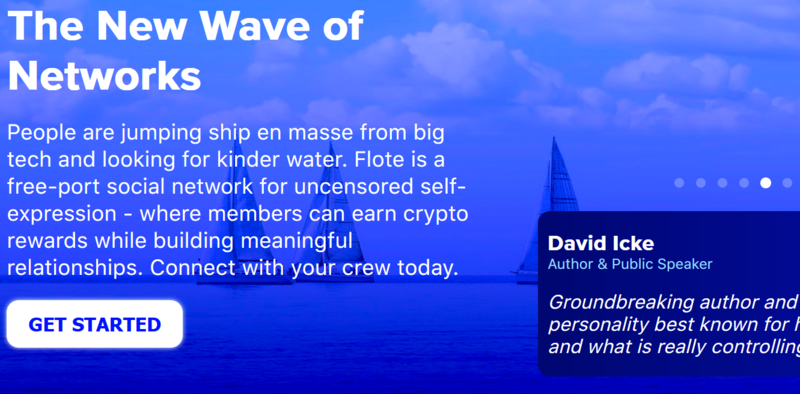
Flote is a community-based social media platform emphasizing user privacy and content monetization. You can share and monetize any content – audio, video, photos, or articles. Moreover, you can go live stream and get superchats from your audience at no fee. Flote payments are P2P and free of charge, and all accounts are attached to Flote cryptocurrency wallets.
FLOTE tokens are issued daily to users based on their engagements for the content they post on the platform. The protocol divides the daily reward pool by 24 to pay creators hourly. The amount of FLOTE rewards follows the Bitcoin halving schedule, meaning they reduce by half every four years.
SocialX
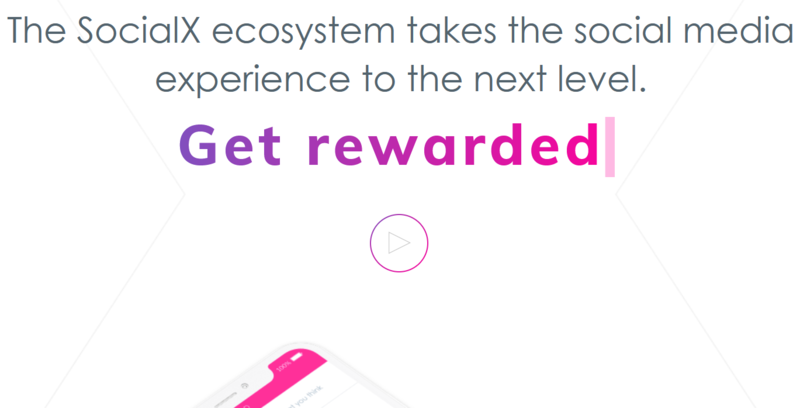
SocialX is a community-based social media network enabling users to publish pictures and videos. It shares a lot of similarities with traditional social media networks like Instagram. However, SocialX stands out as a decentralized platform where you can generate yield through SOCX token rewards.
You earn by publishing pictures and videos on the SocialX platform. Besides liking and commenting on your publications, followers can "Superlike" them. When you send or get Superlikes, the platform rewards you with SOCX tokens from the SocialX reward pool. Besides Superlikes, you can generate income by selling your best publications to interested parties.
Conclusion
In conclusion, decentralized social media is a social networking platform that operates on a decentralized network rather than a centralized server. This means that the platform is not owned or controlled by a single entity but is maintained by a network of users. Decentralized social media platforms use blockchain technology to store and verify user data, allowing for greater transparency and security. These platforms also often prioritize user privacy and offer more control over personal data than traditional centralized social media platforms. Overall, decentralized social media represents a shift towards a more open and decentralized online ecosystem, offering users more control over their online experiences and enabling more diverse and independent forms of communication.
The information provided here and the protocols covered are for informational purposes only, and should not be taken as investment advice.


All Comments