


In Japanese, "Tako" means octopus, which is considered a great problem solver. Researchers have found that octopuses have the ability to solve difficult problems, use tools, and adapt easily to their environment.
Background
The background of the Tako Protocol is to address the centralization issues of Web2 platforms. In traditional social networks, content creation, storage, distribution, and recommendations are usually controlled by centralized platforms, resulting in limited user control, algorithmic biases, scarce innovation, and inconsistent data formats. The multi-layered architecture of Web3, on the other hand, provides a creative structure that allows collective intelligence to contribute to content creation, storage, distribution, and recommendations. Tako Protocol aims to serve as the content distribution layer in Web3 social networks, providing a more decentralized, collaborative, and transparent method of content discovery.
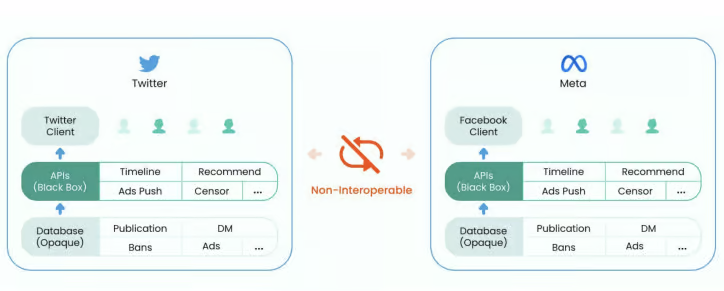
Traditional social networks in Web2 follow a process of content creation, storage, distribution, and recommendations. For example, on Twitter, posts created using Twitter are stored in Twitter's database and processed and ranked by Twitter's algorithms based on user interactions and interests. The content is then displayed in users' timelines based on its ranking.
It is easy to understand the importance of the content distribution or recommendation layer for a platform that strives to capture users' time and attention among competitors to maximize advertising revenue. Therefore, almost all of these platforms have developed their own recommendation algorithms, using proprietary, opaque, and non-interoperable user-generated data.
On the one hand, the paradigm of "platform as content curator" has evolved from Google's "search-based" approach to the "discovery-based" approach seen on platforms like Twitter, Instagram, and TikTok.
On the other hand, this competition among platforms has also led to:
- Users lack sufficient control over their data and experience.
- User data is being sold for commercial purposes without their knowledge or compensation.
- There is algorithmic bias and limited exposure to diverse content.
- Innovation is scarce, and there is low accessibility and involvement of third parties.
Web3 has introduced a comprehensive reform to the network structure, divided into multiple layers. This allows collective intelligence to contribute to different parts of the network, including content creation, storage, distribution, and recommendations, thereby maximizing internet innovation.
However, despite the architecture and design of Web3 social networks bringing new possibilities for content distribution and recommendations, these possibilities have not been fully utilized due to the lack of effective content distribution and recommendation layers.
For example, many decentralized applications (dApps) still rely on traditional attention-based information flows, which require users to spend a significant amount of time and effort in finding content they are interested in. Additionally, traditional attention-based information flows also bother users with recommendations of irrelevant or "low-quality" content.
Therefore, more dApps will face challenges in content distribution and recommendations due to the exponential growth of content, differences in content quality, inconsistencies in data formats, and a lack of interoperability among protocols, all of which hinder the user experience. These are some existing and upcoming challenges that Tako seeks to address.
Introduction
Tako Protocol is a decentralized recommendation engine that redefines content discovery in Web3 Social using a permissionless network. The protocol aims to address the centralization issues in Web2 platforms, which result in limited user control, algorithmic bias, lack of innovation, and inconsistent data formats. The Web3 architecture is divided into multiple layers, providing a creative structure for collective intelligence to contribute to content creation, storage, distribution, and recommendation. The Tako Protocol serves as the content distribution layer in Web3, offering a more decentralized, collaborative, and transparent way of discovering content. It consists of two main components, Tako Aggregator and Tako Network, responsible for building a decentralized and sustainable content distribution network. The Tako Network comprises Feed Relayers and Subscribers, working together to enhance content discovery in a decentralized manner while maintaining content quality. The protocol empowers users to control their content consumption experience, fosters innovation and creativity, and ensures self-governance and profitability to encourage community participation. The Tako Protocol aims to facilitate a more inclusive and seamless Web3 social network while maximizing internet innovation.
Core Value
The user-centered approach empowers users with complete control over their content consumption experience, allowing them to align it with their interests and free themselves from certain platform or protocol constraints.
Open planning enables every user to participate in building the recommendation engine, transforming us from "platform as content curator" to "users as content curators." Users and creators can effectively promote content based on interests and value-driven recommendations to reach their target audience.
Architectural Structure
The Tako Protocol consists of multiple components and programs, as shown in the diagram below, to maximize decentralization and efficiency of content distribution.
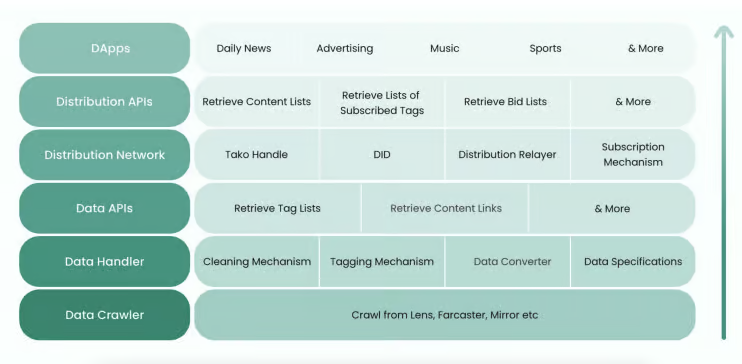
To execute these processes, two main components have been developed: Tako Aggregator and Tako Network.
Tako Aggregator is a database that integrates the capabilities of content aggregation and processing. By aggregating, labeling, and standardizing content data, it ensures seamless development of recommendation systems and extensive content discovery from multiple social protocols.
The detailed steps for building this database are as follows:
1. Content Acquisition (CA): Real-time retrieval of content data from various open ecosystems using specified APIs, sorting them for subsequent processing and aggregation.
2. Content Tagging (CT): Analyzing the content using AI APIs and generating tags for each content based on its topic.
3. Data Standardization (DS): Cleaning and normalizing data from various sources into a common and machine-readable format, ensuring compatibility and interoperability for subsequent integration and development.
4. Distributed Storage Management (DSM): Storing processed data on a distributed storage network like IPFS by uploading files of each batch of data periodically. This approach ensures data security, immutability, and accessibility to any third party, in addition to centralized storage servers.
5. On-Chain Data Synchronization (ODS): Updating index information of data files on the blockchain through smart contracts to achieve transparency and verifiability.
6. Open Data APIs (ODAs): Providing developers with real-time data of tagged and standardized content for easy integration and higher throughput.
By establishing this database, Tako Aggregator resolves the chaos in content data, coordinates and liberates user data trapped in data islands, and assists developers in building recommendations in a decentralized and interoperable manner using standardized tag matching. It's a database for everyone.
Tako Network introduces an innovative, permissionless decentralized content distribution network (dCDN) paradigm, responsible for distributing recommended content across multiple protocols and ecosystems. It follows a publish-subscribe architecture and utilizes a value-based consensus mechanism to ensure decentralized, efficient, and personalized content discovery.
The network comprises various roles and modules, each contributing to the functionality and robustness of the entire system while also benefiting from these contributions throughout the process.
Mechanism
To illustrate the working process of dApps built on the Tako Network, let's consider a simple example:
1. Alice wants to share information about hiking and decides to create a TNS (Tag Name Service) called "hiking.tag." As a TNS creator, she curates content related to hiking equipment, skills, and knowledge by selecting relevant information from the Tako Aggregator's database.
2. Bob, who is interested in hiking, discovers it either through searching or by coming across related content. He subscribes to the "hiking.tag" TNS and starts receiving more accurate and personalized information about hiking. He can also provide feedback by liking or disliking specific content.
3. Through effective curation, the "hiking.tag" TNS attracts a large number of subscribers. This increased exposure benefits Tom, a content creator focusing on hiking, as his posts are curated by Alice. Thanks to the targeted audience provided by TNS subscribers, Tom's engagement and profitability improve.
4. To further enhance performance, Tom may wish to have his fans support him by initiating bids to have his content added to other TNSs related to hiking. These TNSs' TNS creators then evaluate the bids based on factors such as relevance, content quality, and bid price. For TNS creators, maintaining trust and value in their TNS is crucial by accepting bids that align with subscriber preferences, as irrelevant or low-quality content may undermine the trust and overall value of their TNS.
Tako Network benefits users with its low entry barrier, allowing anyone to have a significant impact on the recommendation system. Users, even without technical expertise, can become Feed Relayers to curate and recommend content, nurture potential creators, enhance their social influence, and profit from their efforts.
This value-based mechanism also addresses the vulnerabilities of susceptibility to attacks, where low-quality TNS can be easily replaced by trusted FRs. Single points of failure or manipulation are almost incapable of disrupting the entire network, compromising users' experiences, as it has happened on traditional platforms.
In this inclusive and dynamic network, thousands of FRs host information flows based on established consensus. Every user, even in niche fields or subcultures, can discover content that resonates with their interests and passions, enjoying diversity and avoiding algorithmic bias.
Governance
In the Tako Protocol system, the decentralized autonomous organization (DAO) plays a crucial role in stabilizing and improving the system in a decentralized manner. Within the Tako DAO, suggestions and decisions put forth by creators, curators, developers, and other community members hold significant value. DAO members have the power to propose protocol upgrades, suggest parameter adjustments, approve budgets or funding, and recommend whitelisting or blacklisting specific roles. The Tako DAO also serves as a communication channel, facilitating connections between different roles within the ecosystem and fostering communication between users and the Tako team.
Economic Model
The economic model of the Tako Protocol ensures the sustainability and active participation of community members, users, relayers, and developers. In addition to the native revenue distribution module of the Tako Network, which incentivizes the curation and recommendation of high-quality content, early adopters and regular users providing feedback are also rewarded for their contributions to the protocol's growth and recommendation experience. To further enrich the ecosystem, funding will be proposed and allocated to developers nurturing innovation in dApps and protocols within the ecosystem. The goal of the Tako Protocol is to establish a sustainable content distribution network that benefits all participants and roles while promoting community consensus.
Roadmap
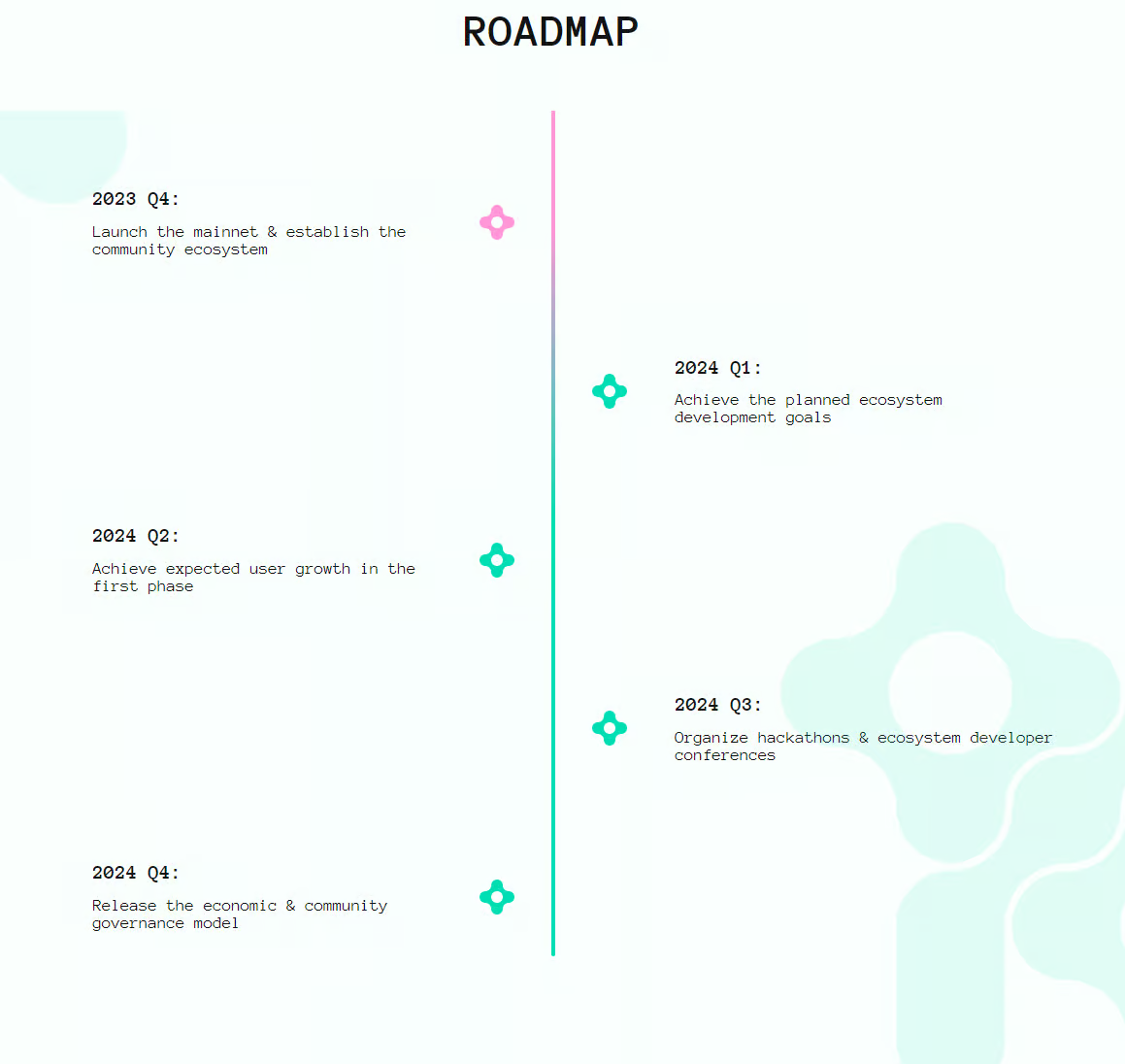
The main focus is to complete the whitepaper and architecture design in Q2 2023, launch the mainnet and establish a community ecosystem in Q4 2023, and achieve the expected user growth in the first phase by Q2 2024.
In conclusion
Tako Protocol aims to address the centralization issues in traditional social networks and serve as a content distribution layer in Web3, supporting the development of open social protocols and fostering the widespread adoption of innovative and diverse Web3 social networks. By establishing this permissionless, dynamic, and sustainable content distribution layer, Tako Protocol strives to ensure that every role in the ecosystem is equally important and receives appropriate rewards. In this inclusive and dynamic network, every user can discover content that resonates with their interests and passions, enjoy diversity, and avoid algorithmic biases. This marks the beginning of a new, more open, and user-centric era of digital socialization.


All Comments