

Hi friends!
Many of you have at least heard about the launch of Meta’s Twitter Clone, Threads. And while it may be a clone, there are still a lot of important product decisions that need to be made which end up influencing the direction the app takes and more importantly whether it ends up being successful or not.
Today, I’ll discuss some lessons from Threads’ launch. One note that while it is off to a great start, with ~100M users in its first 5 days, its retention and success is far from guaranteed or known and may still fizzle out. However, there’s still enough to learn from it so far.
1/ Thoughtfully Solving the Cold Start Problem
One of the biggest challenges that any new social media app faces is the cold start problem. This is the problem of getting users to start using and finding value in an app as early users before network effects kick in.
Threads addresses this in a few key ways:
- Importing Instagram's social graph: Threads lets users easily import/follow the people they follow on Instagram, giving them an easy way to bootstrap their Threads network.
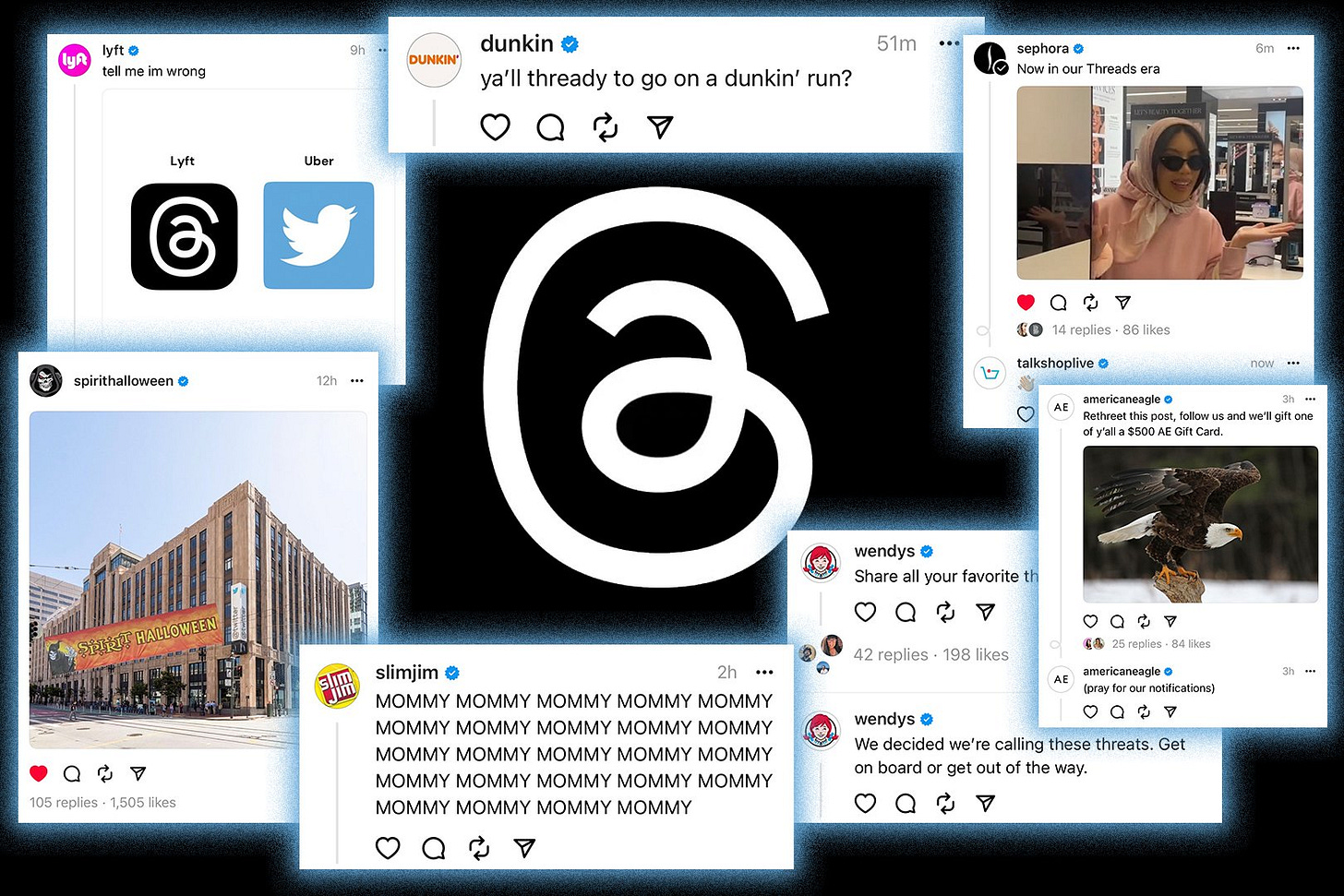
- A global algorithmic feed: The only feed in Threads (as of now) includes content from individuals that users aren't following. As a result, users will see content when they start using the product, regardless of whether they follow anyone. Simultaneously, this feature means that if users begin posting content early on, it can be viewed by non-followers and gain additional reach.
- Pending follows: Threads allows users to follow Instagram users even before they join Threads. When these individuals join Threads, they'll already have a set of followers waiting for them.
- Pre-seeding the app with content: Meta worked with many influencers and celebrities to give them access a day or two early thus pre-seeding the network. The benefit for them is pretty straightforward: being early on the network and getting prioritized in recommended algorithms gives them a chance to gain an outsized number of followers on the new platform.
2/ Distribution is King
Threads hit 100M users today, doing so in approximately 5 days. This surpasses ChatGPT, which accomplished the same in 2 months.
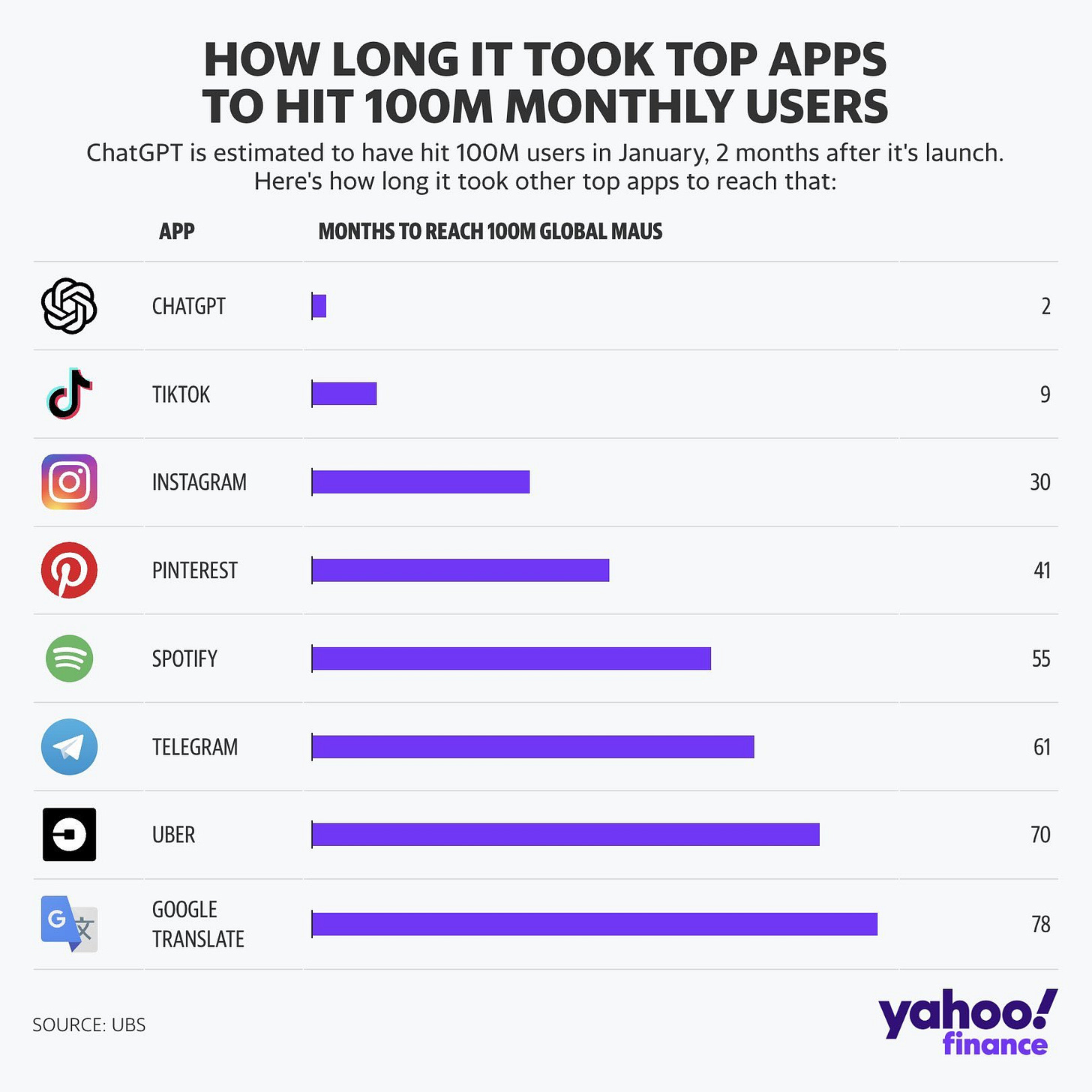
While several other lessons in this post help explain why Threads had such an impressive start, the primary takeaway is simple: Distribution is King.
The most effective way to introduce an application to around 100M users in a week is to tap into the user base of an application that already has 2B users.
Threads capitalized on Instagram's user base through notifications and tight integration to facilitate easy reposting. This approach allows Threads to quickly increase awareness among hundreds of millions of users, effectively introducing this new application to a broad audience almost immediately.
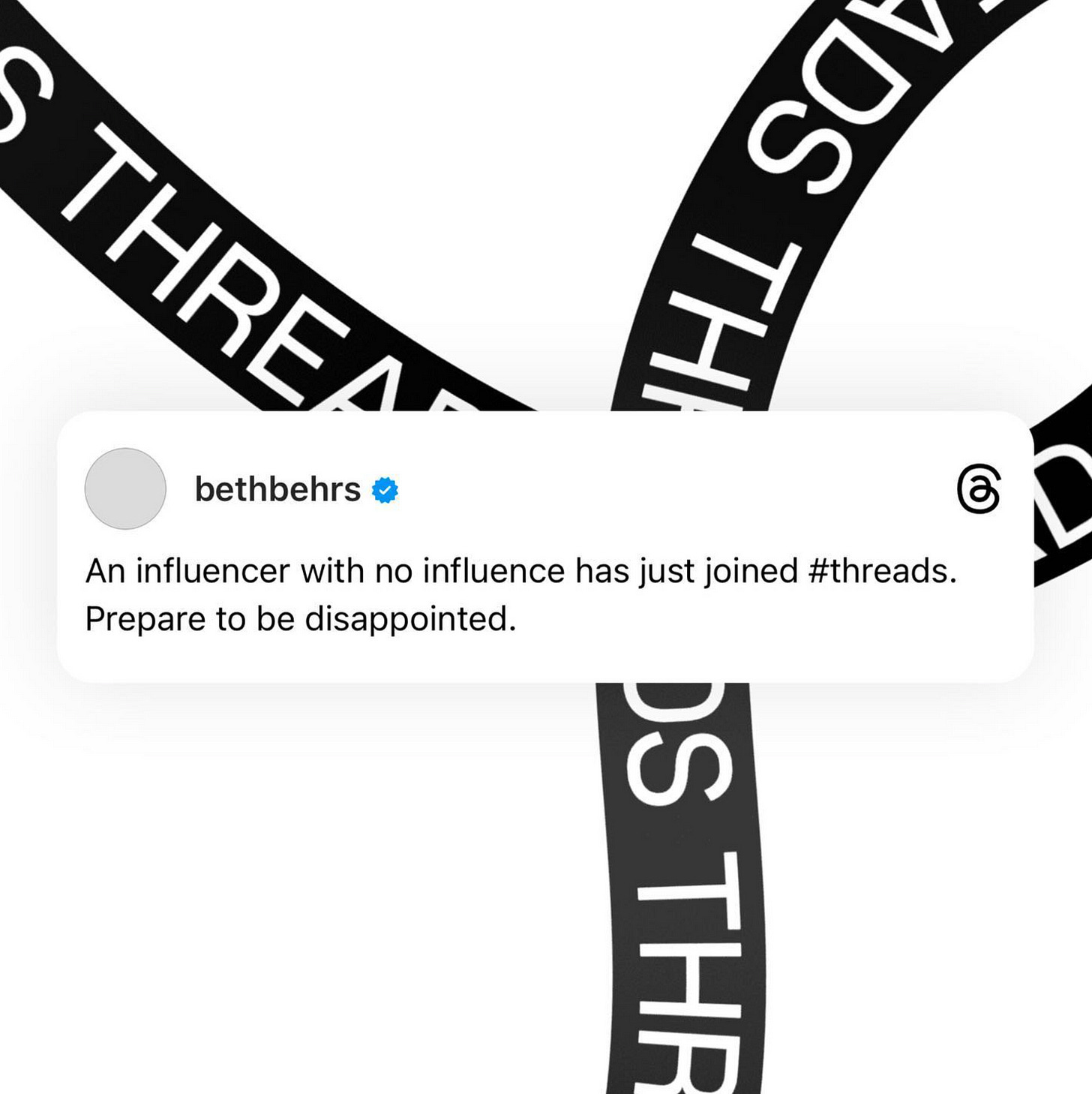
Many examples such as below showcase people posting on Threads and then conveniently resharing their post to Instagram. This action extends the platform's visibility to their Instagram followers and provides more top-of-funnel awareness.
3/ Timing matters
Zuck has long believed that Twitter wasn’t taking full advantage of their potential and was poorly run, years and years prior to Elon:
Twitter is such as mess — it's as if they drove a clown car into a gold mine and fell in
But it was only earlier this year that Meta decided to take another stab at a text-based social network, seeing growing concerns from brands, influencers and advertisers after changes from Elon Musk, as highlighted in the quotes below
We’ve been hearing from creators and public figures who are interested in having a platform that is sanely run, that they believe that they can trust and rely upon for distribution - Chris Cox, Meta CPO
I do think there’s a lot more noise around Twitter than there was. Just the volatility and the unpredictability of what seemed to be going on there seemed like it might present an opportunity. If things like stability started to become an issue or if they changed the product too drastically, those were things that might leave an opening for us in a space that otherwise looked pretty particularly difficult to compete in - Adam Mosseri, Head of Instagram
In addition, Meta actually pulled forward the launch of Threads after some more mishaps from Twitter where they decided to rate limit users on Twitter and also stop allowing non-logged-in users access to tweets on Twitter.
Seeing these gaffes from Twitter, Meta decided to strike while their opponent was weakest, as reported by the Verge:
Meta has been planning to release Threads, its self-described “sanely run” version of Twitter, for a while. The backlash to Musk’s recent limiting of how many tweets people can see per day was a catalyzing event for getting the app out the door this week, according to internal company documents I’ve seen
4/ Small details at the outset can have a magnified impact
In the early days, Meta made some intentional product decisions in Threads that may appear minor but can end up playing an outsized role.
As of now, a lot of people have commented about how the vibes in Threads seem very “nice” with a lot less trolls/toxicity relative to Twitter. That may change over time, but its worth considering some of the small but intentional product decisions in the product:
- The number of people someone follows is buried one layer deep on someone’s profile. This may encourage people to follow others more freely as opposed to worrying about things like their follower/following ratio.
- Instagram supports a “hide for everyone” feature where a comment/reply can be hidden from everyone. This does have some drawbacks but provides an additional safeguard to hide toxic and similar replies from all viewers. Twitter does not offer a similar feature — hidden replies are still visible to others if they navigate through.
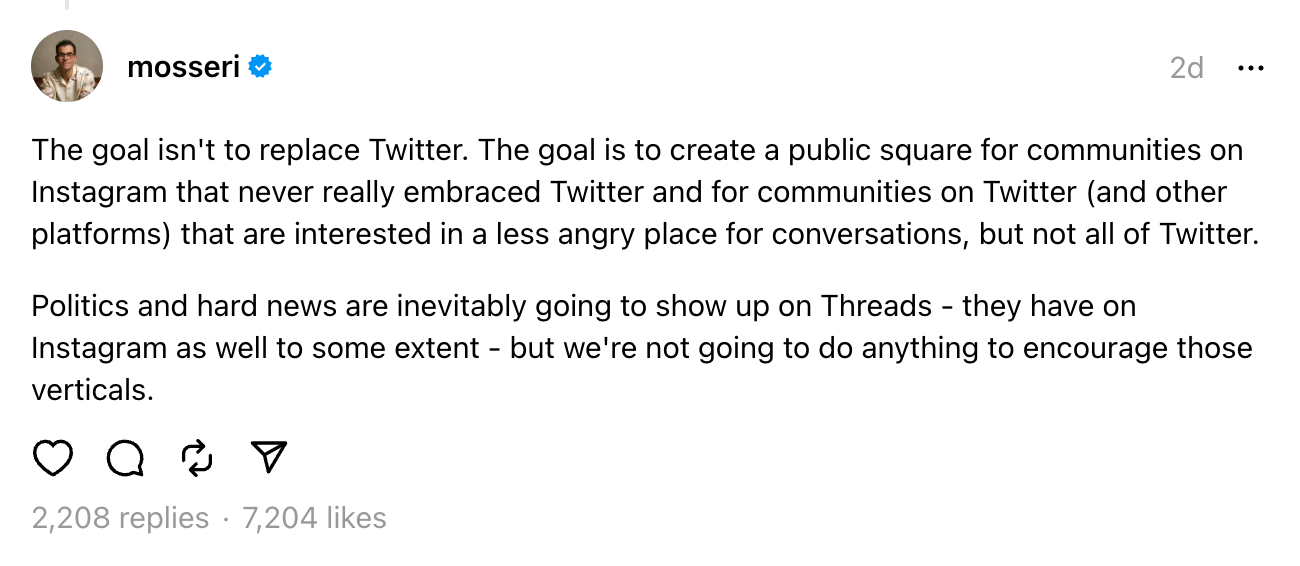
- There is likely some downranking (or at least not giving weightage to) of news/politics as well as in general angry conversations from others’ feeds happening, as hinted at by Adam Mosseri and Zuck.
5/ Use your new entrant status
During the onboarding process, users were introduced to the term "Fediverse" via an informational screen, likely the first exposure to this term for many.
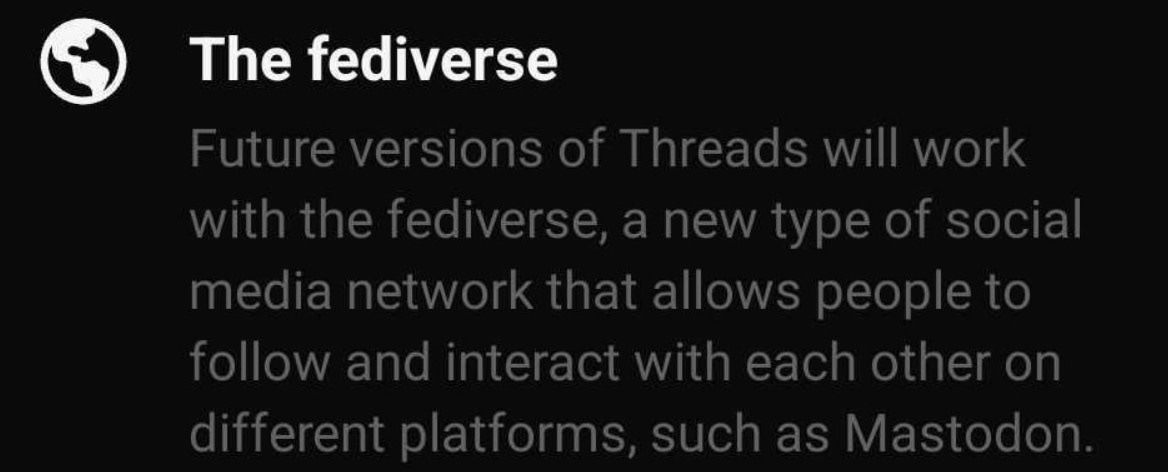
Essentially, the concept is that Threads would interoperate with open social networking standards and thus, would be compatible with other Fediverse platforms. This compatibility allows users to switch platforms more seamlessly and interact with users on other Fediverse platforms.
“You may one day end up leaving Threads, or, hopefully not, end up de-platformed. If that ever happens, you should be able to take your audience with you to another server. Being open can enable that.” - Adam Mosseri, Head of Instagram
This is a really interesting move for a few reasons:
- It aligns with the current social zeitgeist around lock-in and decentralization, and it may represent Meta's initial step in this direction (potentially earning them credibility while delaying similar actions on their larger and more profitable networks).
- It eases concerns for users around the app experience degrading or the app shutting down since they can take their following to another network. That makes users feel more at ease about investing time and effort into the platform.
- As a newcomer to this category, Threads has less to lose than Twitter, the incumbent, which has much more at stake. If Twitter were to follow suit, it would indirectly benefit Threads (and other Fediverse platforms) because users could transfer their networks over to Threads. Thus, it exerts pressure on Twitter and presents a low risk and cost implementation for Threads but a high cost for Twitter.
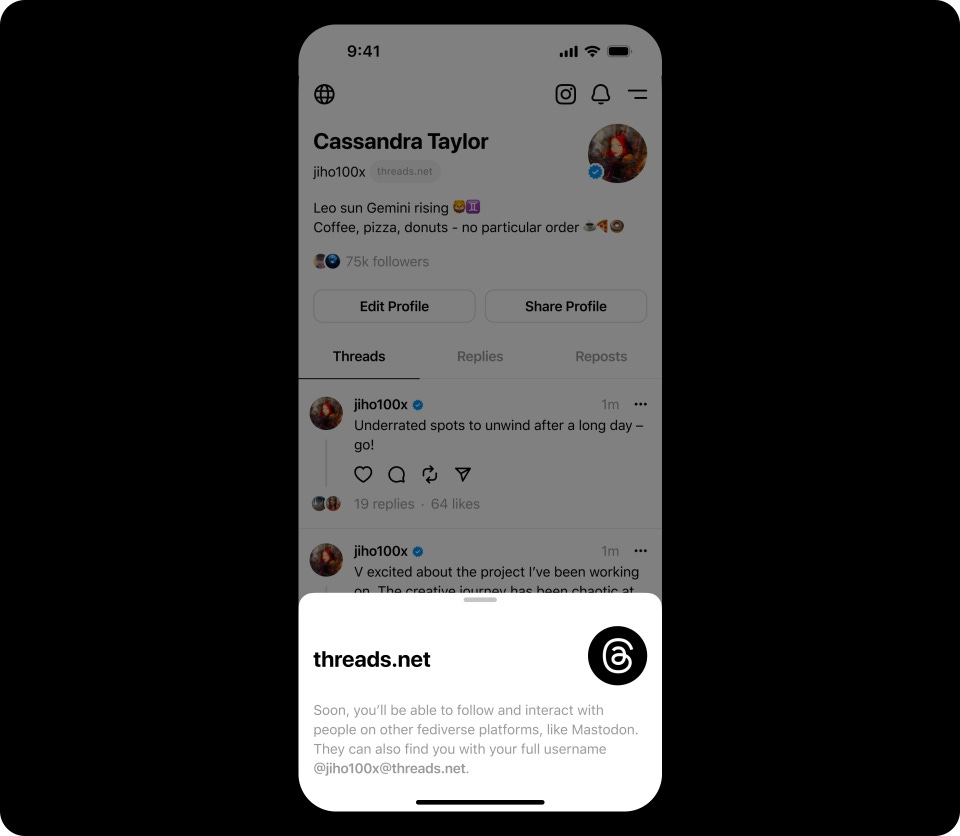
Whether or not the Fediverse as a concept takes off effectively is immaterial. In reality, 99% of people are unlikely to switch platforms. Nevertheless, this move placates current concerns, aligns with the prevalent zeitgeist, and does not pose a significant risk (from a user attrition perspective) for Threads as a new app offering.


All Comments