

LTP Research
- Summary of October 2023
- Market Commentary
- News Highlights
- November Volatility
- Appendix
The month of October was characterized by a prevailing "risk-on" sentiment within the realm of cryptocurrency. In this period, there was a noticeable increase in the circulating supply of major stablecoins, amounting to a substantial $842 million. Bitcoin, in particular, showcased remarkable resilience against broader market corrections, achieving an impressive price increase of over 30%. Additionally, there was a significant uptick in the volatility of major cryptocurrencies, with Bitcoin experiencing a 70% increase in volatility compared to the previous month.Trading volumes across major cryptocurrency exchanges, especially in SPOT trading, witnessed substantial upsurges. Notably, Binance and OKx both reported nearly a 100% increase in their SPOT trading volumes when compared to the previous month.The surge in Bitcoin’s price and the increased volatility in October can be partially attributed to a gamma squeeze triggered by option dealers. This was further accentuated by a considerable increase in spot trading volume, especially on the Binance and OKx exchanges. Despite these bullish price movements, it’s important to note that the Bitcoin Perpetual Futures Aggregate Open Interest did not surpass its peak in August, which was over $21 billion. At the end of October, the Open Interest stood at $19 billion, marking a significant 23% increase compared to the previous month. Total short liquidations amounted to $397B, while total long liquidations were at $260B for the month.Moreover, the recent Quarterly Refunding Announcement from the U.S. Treasury revealed a decrease in the issuance of treasury securities for Q4. This is expected to place downward pressure on bond yields, potentially leading to a temporary shift towards higher-risk assets. If the equities market witnesses a revival in November, it could result in increased capital inflows into the cryptocurrency markets, potentially leading to higher trading volumes and volatility.
- Macro Economic Outlook
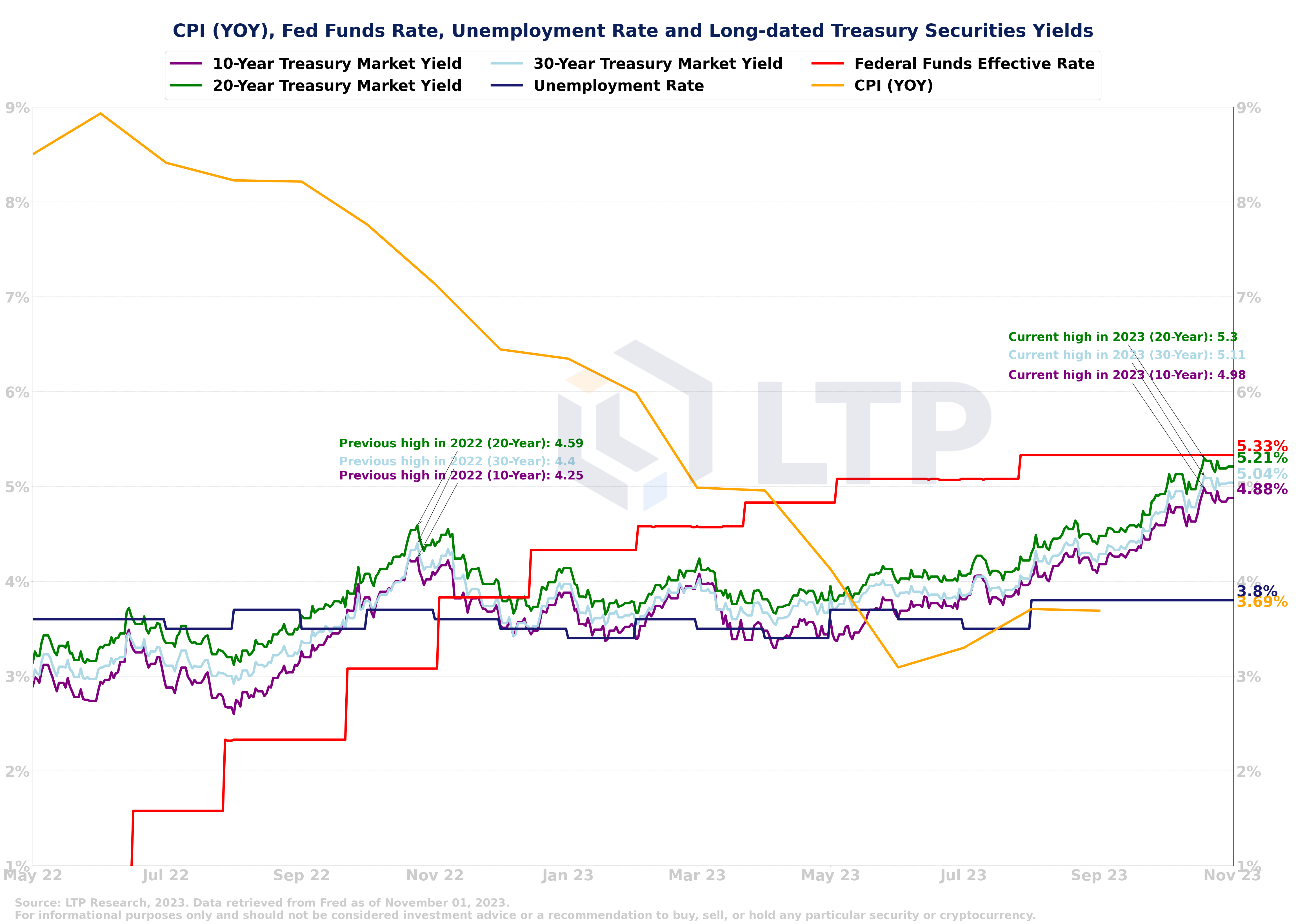
In September, the Consumer Price Index (CPI) for the year-over-year (YOY) period registered at 3.7%. However, during October, there was a sustained upward trajectory in bond yields, with the 10-year yield nearing 5%, the 20-year yield reaching 5.3%, and the 30-year yield reaching 5.1%.Significantly, the recent Quarterly Refunding Announcement indicated a substantial $76 billion reduction in treasuries issuance, leading to a reduced supply of treasury securities available in the market. Typically, short-dated treasury securities are expected to be absorbed by the funds in the Reverse Repo market with the Federal Reserve. The reduction in the issuance of long-dated treasuries is likely to exert downward pressure on bond yields. Consequently, this could foster a risk-on sentiment in risk assets.
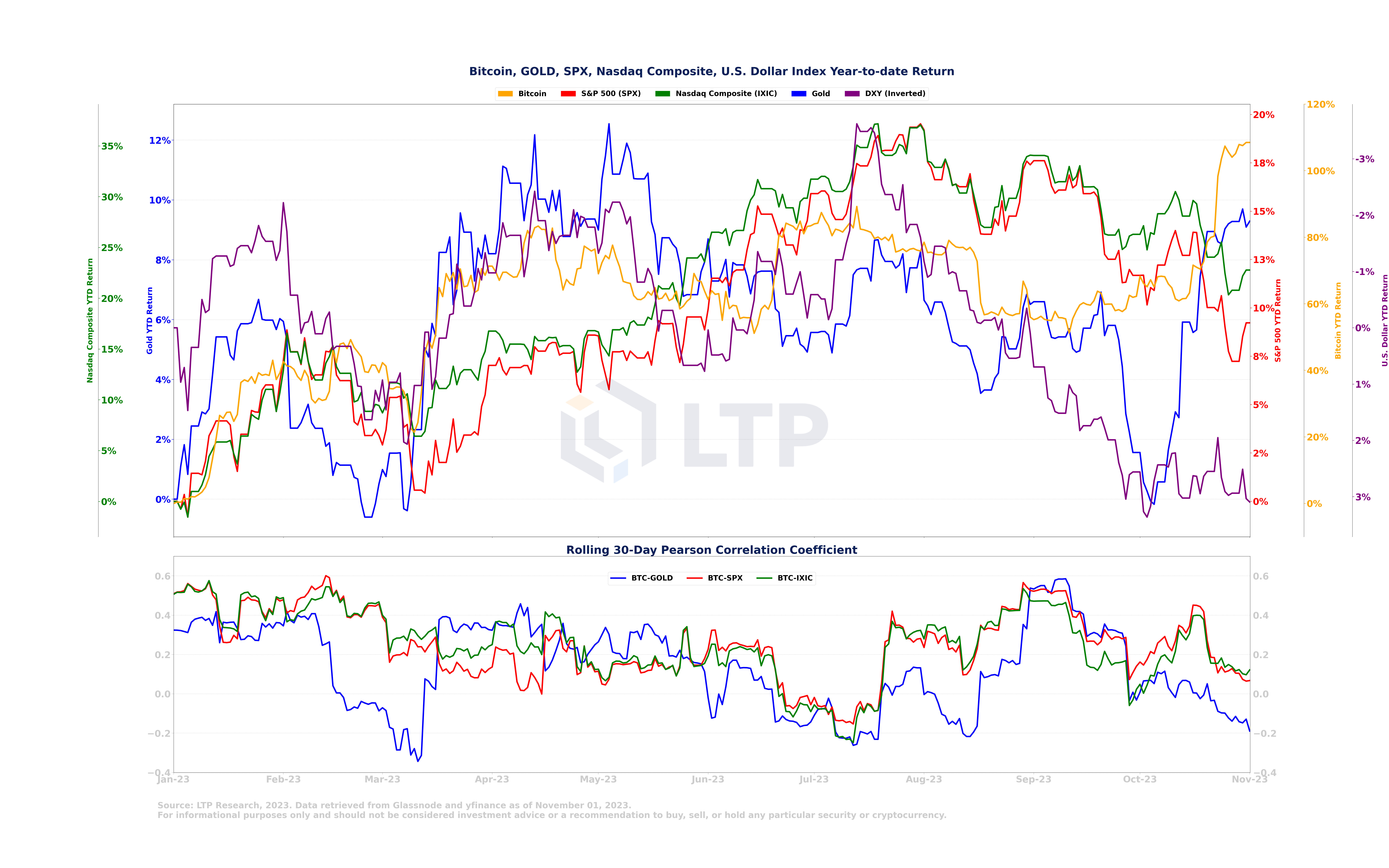
In November, major indices sustained ongoing declines, with the S&P 500 and the Nasdaq decreasing by 2%. Gold exhibited significant growth, surging by 7.3% due to heightened geopolitical risks. The U.S. Dollar Index held steady at 106 levels. Remarkably, Bitcoin outperformed and defied the downward gravitational force exerted by the correction in major indices, experiencing a remarkable 30% surge, reaching the 35K mark, thereby surpassing its yearly high. The correlation between Bitcoin and the S&P 500, as well as the Nasdaq, dipped below 0.2
- Digital Assets Market Commentary
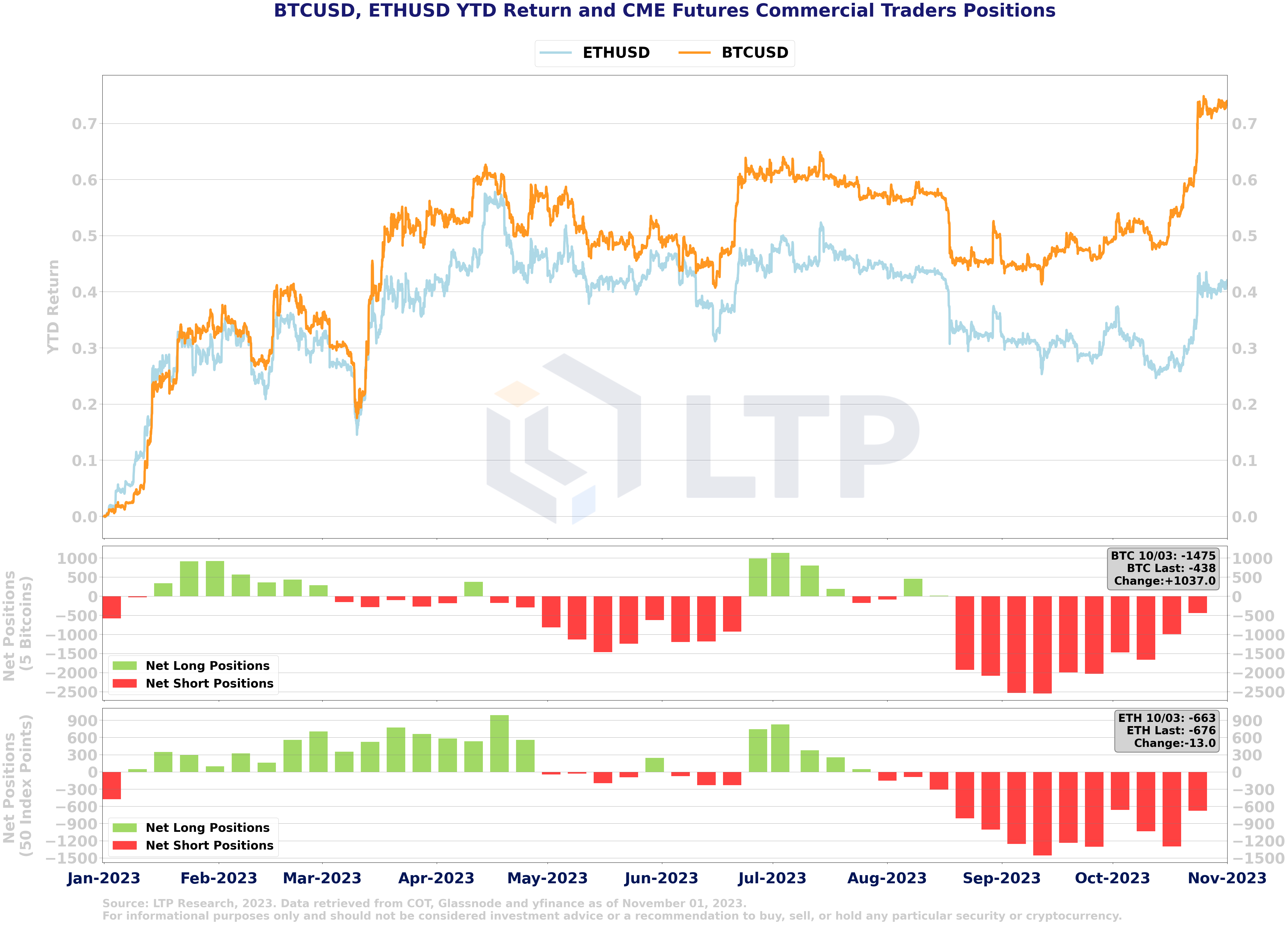
During October, the cohort of commercial traders participating in CME Bitcoin Futures trading significantly reduced their combined net short positions from -1475 to -438. This adjustment coincided with Bitcoin's resurgence in the latter part of the month. In contrast, concerning Ethereum Futures, this group of traders opted to maintain their collective net short position.
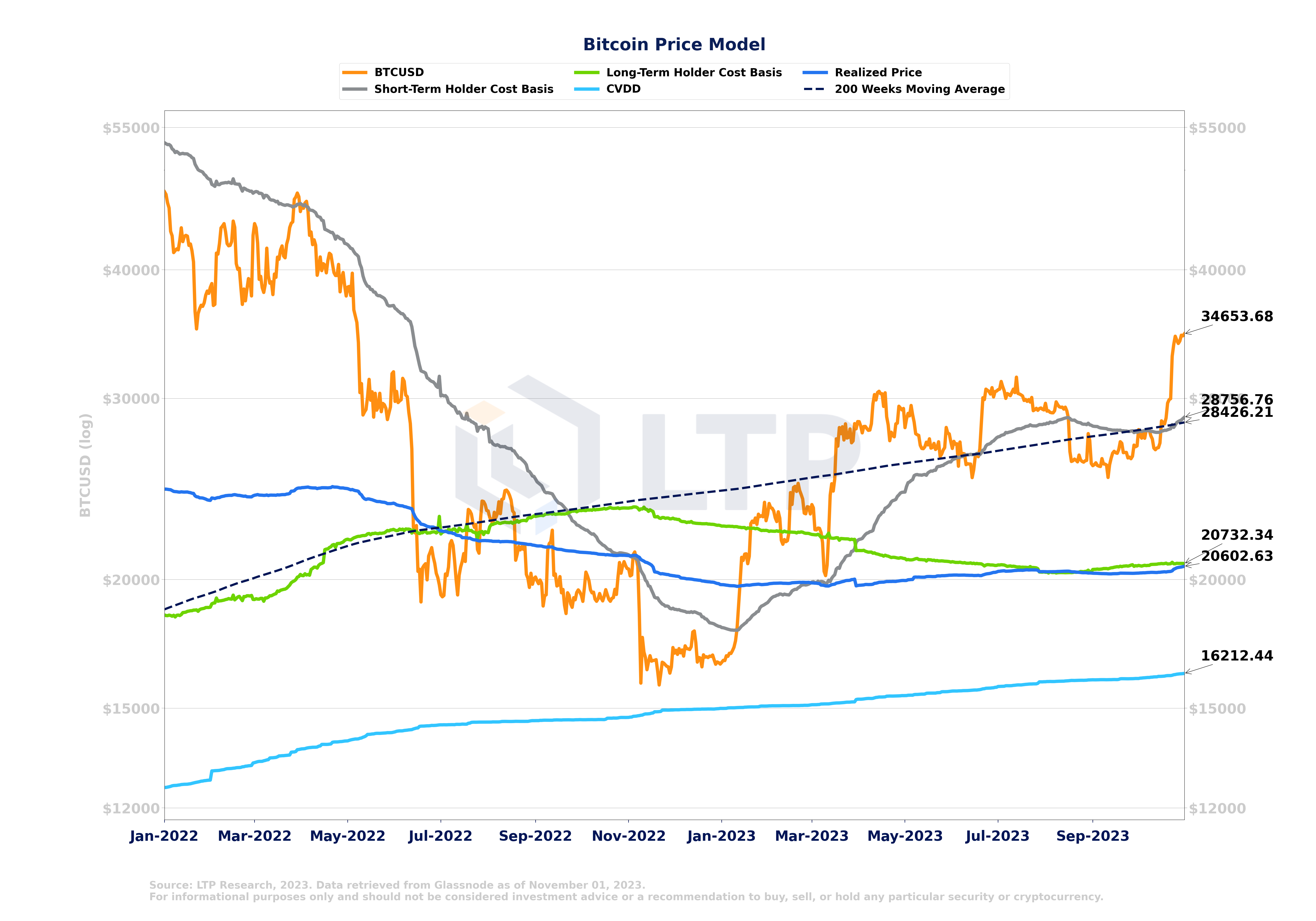
Bitcoin surpassed both the 200-Week Moving Average and the Short-term Holder Cost Basis, which were positioned at $28,000. Meanwhile, the Long-term Holder Cost Basis and Realized Price closely approximated $20,000.
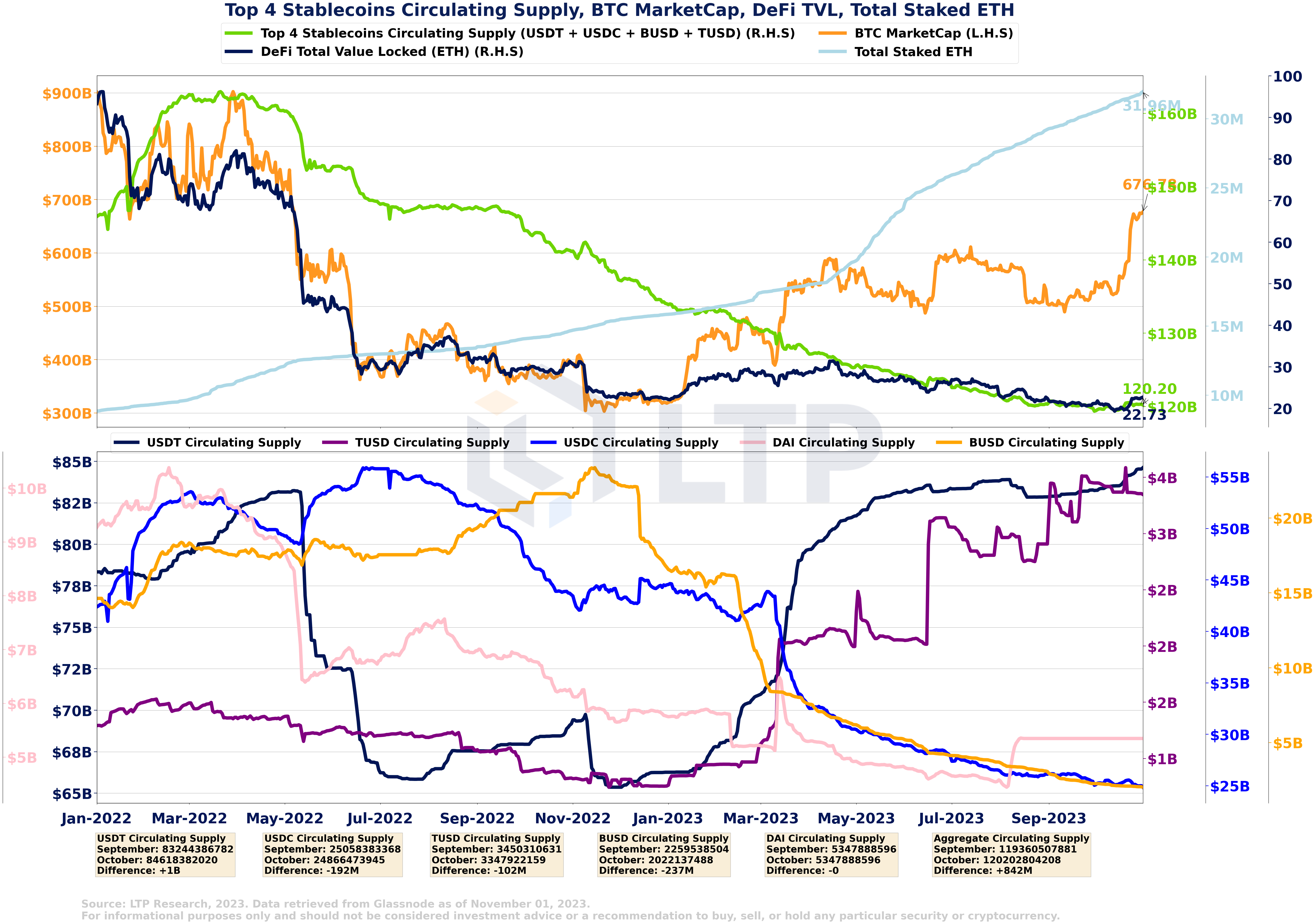
In October, the Bitcoin market capitalization achieved a yearly high of $670 billion. Concurrently, the number of staked Ethereum continued its upward trajectory, reaching 32 million. During October, there was a notable influx of stablecoin supply, with USDT increasing by $1 billion, USDC decreasing by $192 million, TUSD declining by $102 million, and BUSD decreasing by $237 million, resulting in a net aggregate increase of $842 million.
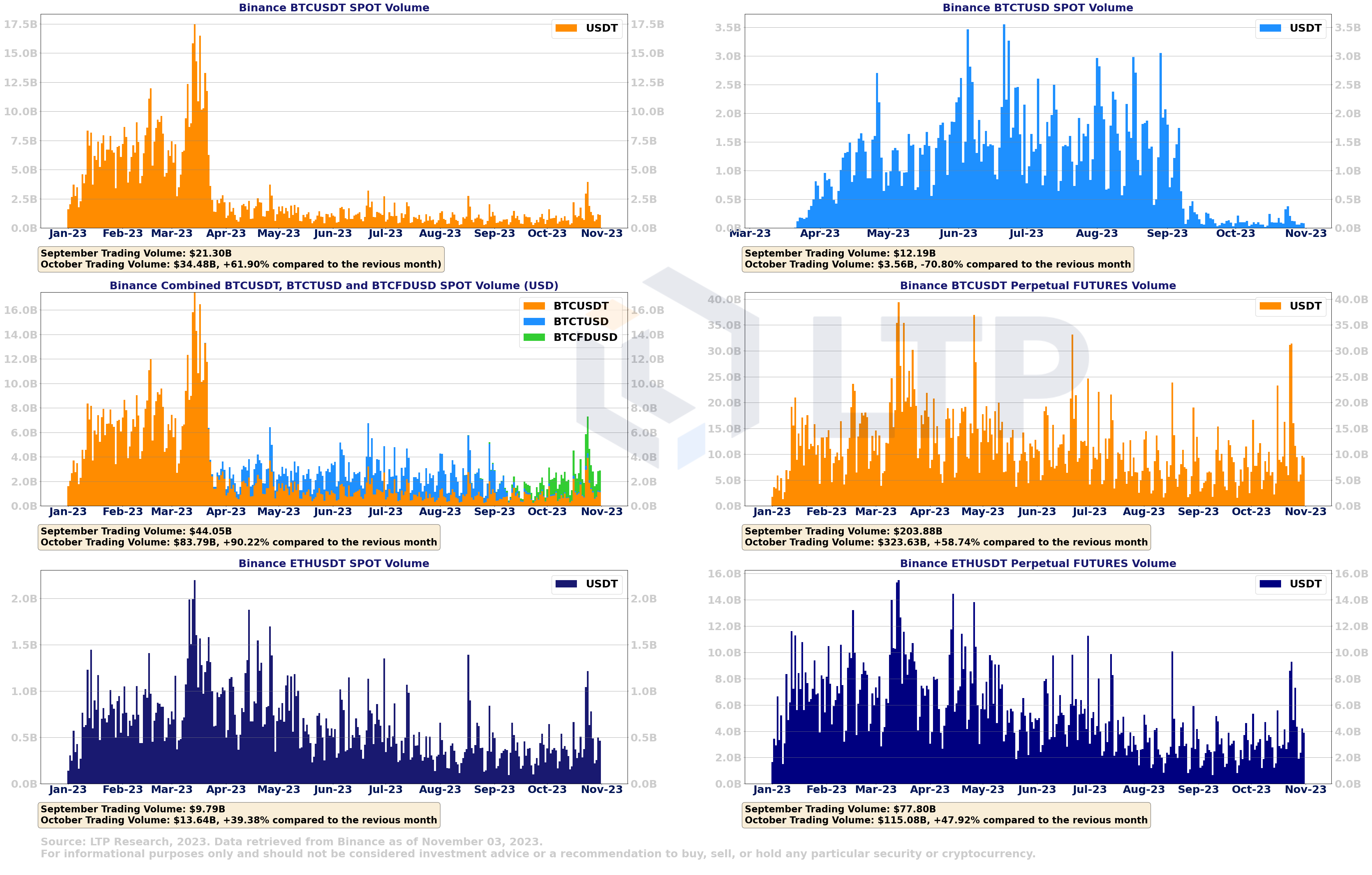
In the month of October, the BTCUSDT SPOT trading volume on Binance registered at $34 billion, representing a noteworthy increase of 62% compared to the preceding month. Conversely, the BTCTUSD SPOT trading volume declined to $3.56 billion, marking a substantial 71% decrease compared to the previous month. Simultaneously, the combined SPOT volume encompassing USDT, TUSD, and FDUSD experienced a robust 90% surge compared to the preceding month. Additionally, the ETHUSDT SPOT trading volume exhibited a commendable 39% increase.Moving to the perpetual futures market, the BTCUSDT Perpetual Futures trading volume reached an impressive $324 billion, reflecting a significant 59% upsurge compared to the previous month. Likewise, the ETHUSDT Perpetual Futures trading volume reached $115 billion, demonstrating a substantial 48% increase.
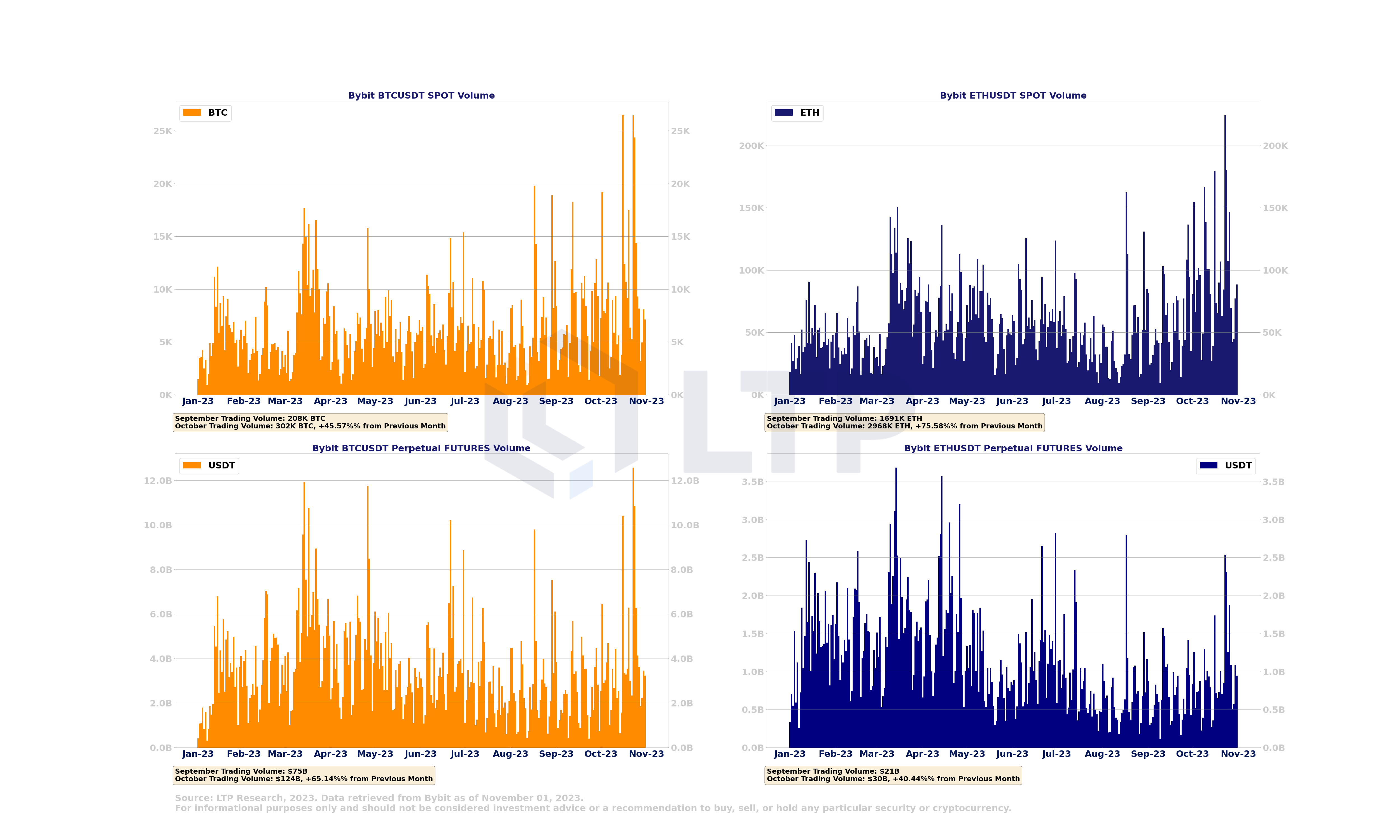
In the month of October, the BTCUSDT spot trading volume on Bybit amounted to 302,000 BTC, marking a notable 45% surge in comparison to the preceding month. Concurrently, the BTCUSDT perpetual futures trading volume reached a substantial $124 billion, indicating a remarkable 65% increase when juxtaposed with the previous month's figures.Similarly, the ETHUSDT spot trading volume exhibited significant growth, recording 2,968,000 ETH, which translates to a substantial 75% uptick compared to the previous month. Furthermore, the ETHUSDT perpetual futures trading volume reached a total of $30 billion, representing a commendable 40% increase compared to the preceding month's metrics.
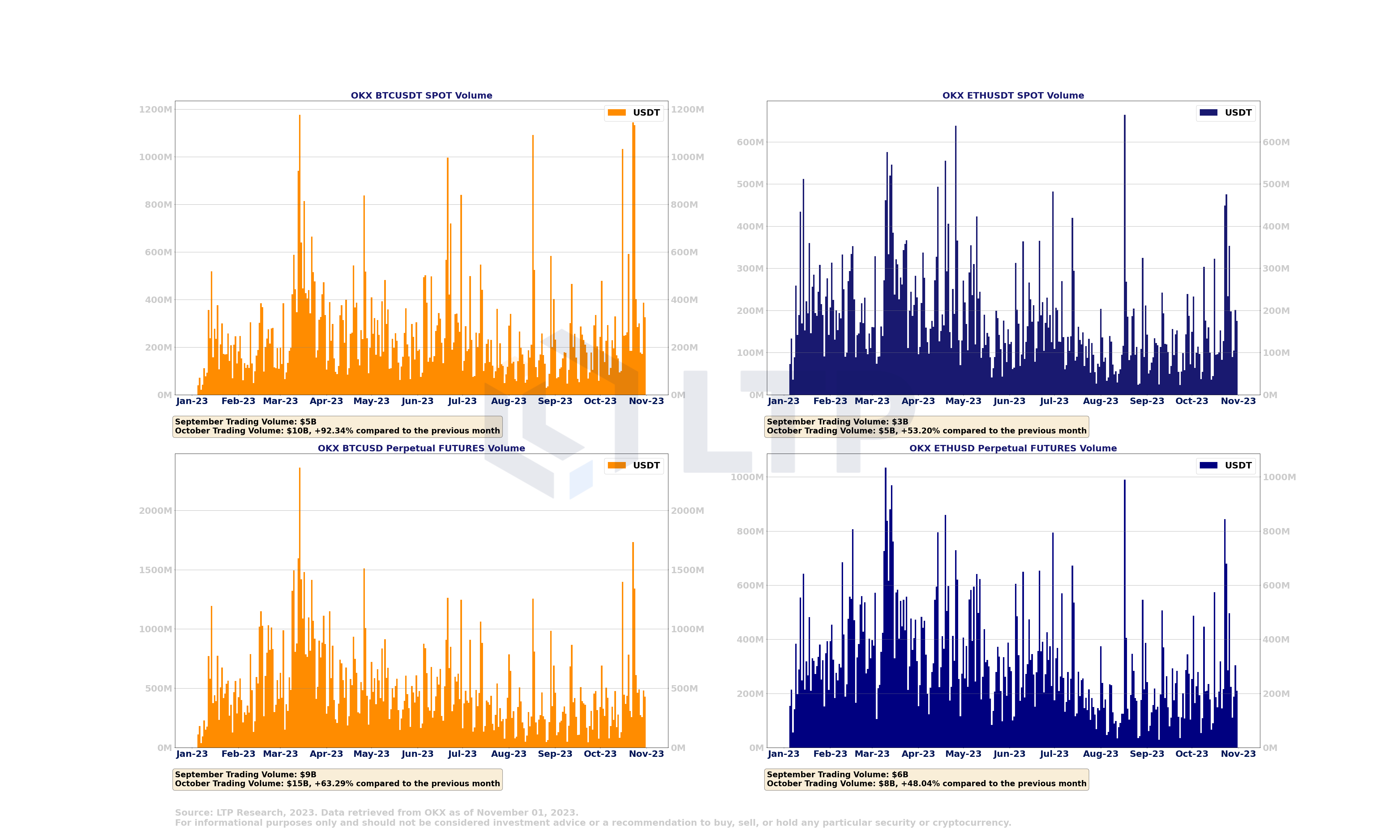
In October, the BTCUSDT spot trading volume on OKX recorded a substantial $10 billion, representing a remarkable 92% increase when compared to the previous month. Simultaneously, the BTCUSDT perpetual futures trading volume reached $14.6 billion, demonstrating a commendable 63% increase from the preceding month.A similar surge in trading volume was observed in ETHUSDT spot trading, with volumes reaching $5 billion, marking a significant 53% increase compared to the previous month. Additionally, the ETHUSDT perpetual futures trading volume amounted to $8 billion, reflecting a noteworthy 48% increase from the previous month's figures.
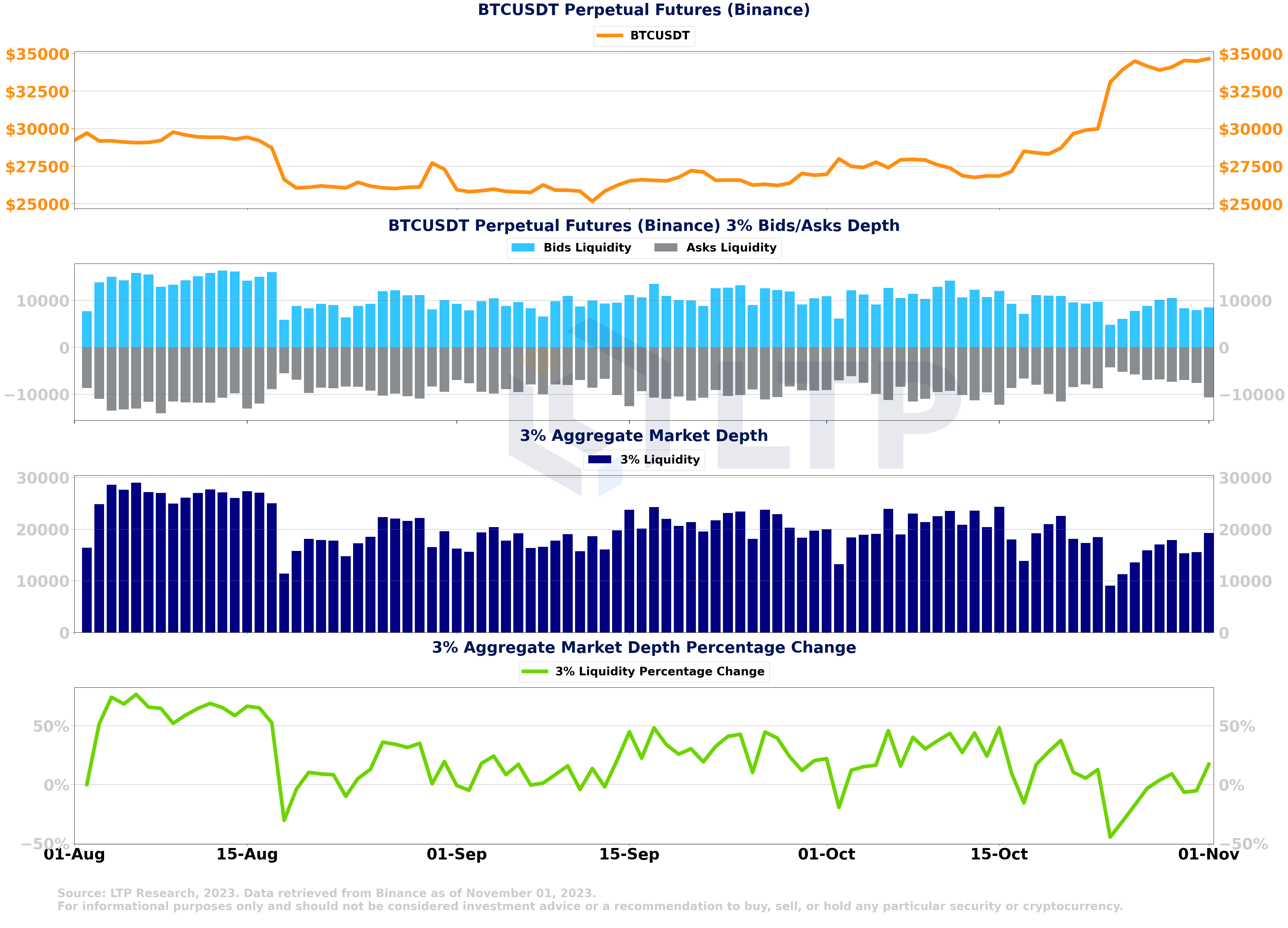
In October, as the price of Bitcoin experienced a surge, there was a noticeable decrease in liquidity on the Binance BTCUSDT perpetual futures trading pair. Specifically, on the 23rd of October, the 3% market depth dropped below 10,000 BTC, marking the lowest level observed in the past three months. However, as Bitcoin's price stabilized later in the month, liquidity gradually returned to its nominal levels.
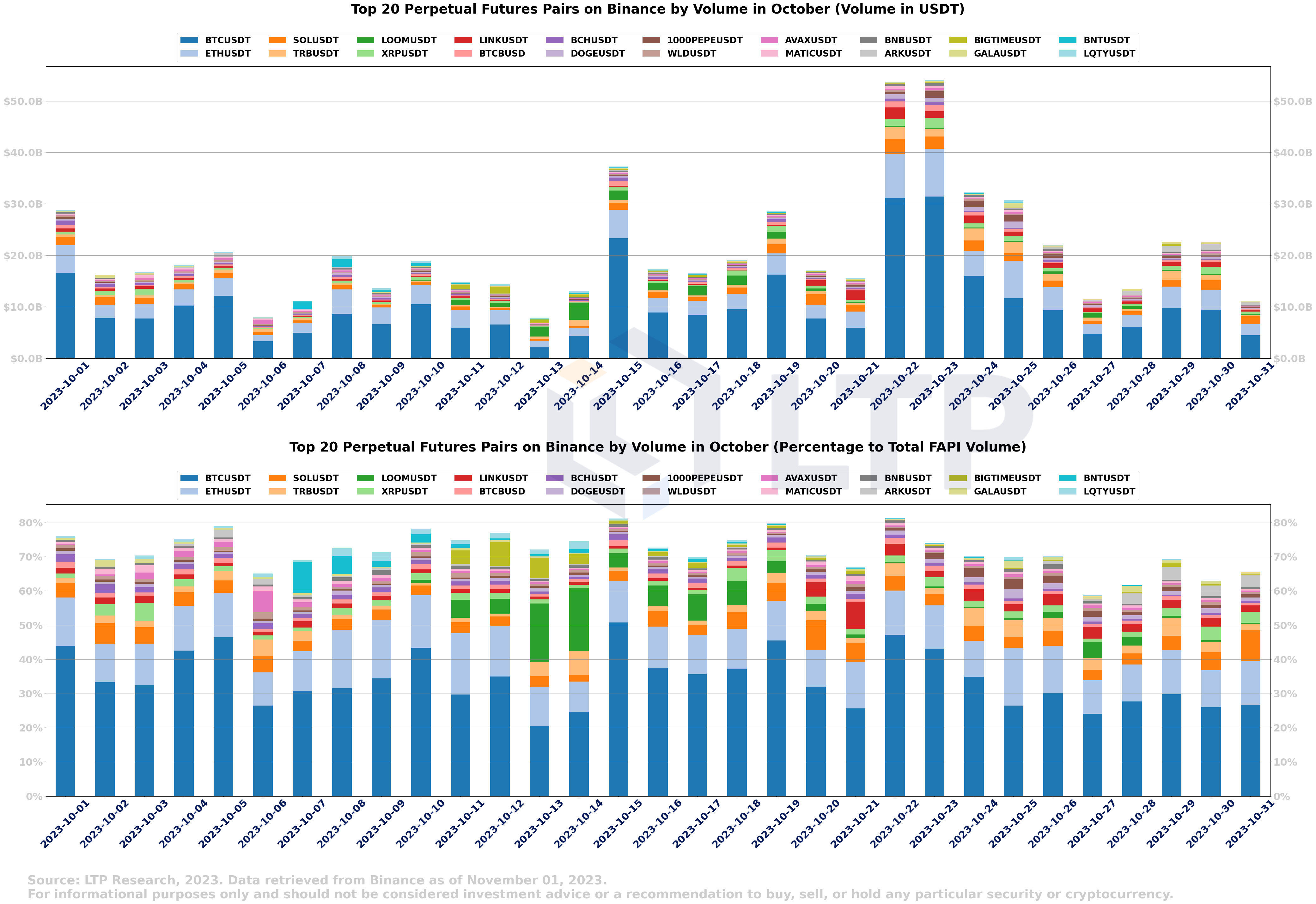
During mid-October, LOOMUSDT experienced a notable surge in trading volume, particularly on the 13th and 14th of the month, accounting for 17% and 18% of Binance's total perpetual futures trading volume during this period, respectively. Following the Bitcoin rally, we observed heightened trading activities within the altcoin market, particularly with SOLUSDT, LINKUSDT, TRBUSDT, and PEPEUSDT. Consequently, the trading volume dominance of Bitcoin and Ethereum decreased to 30% and 10%, respectively, as altcoins gained momentum.
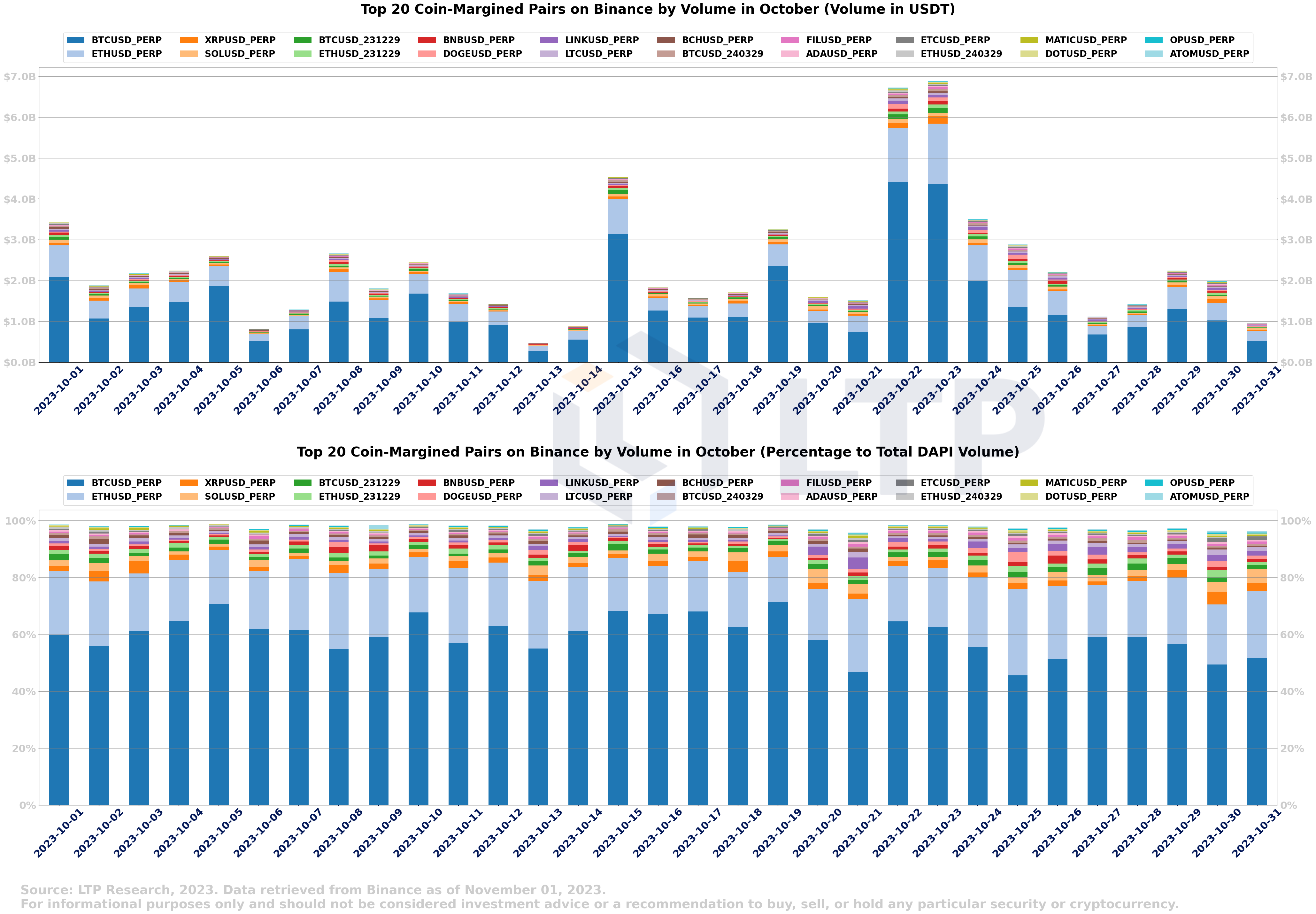
Coin-margined trading pairs continue to be predominantly dominated by Bitcoin and Ethereum in terms of trading volume.
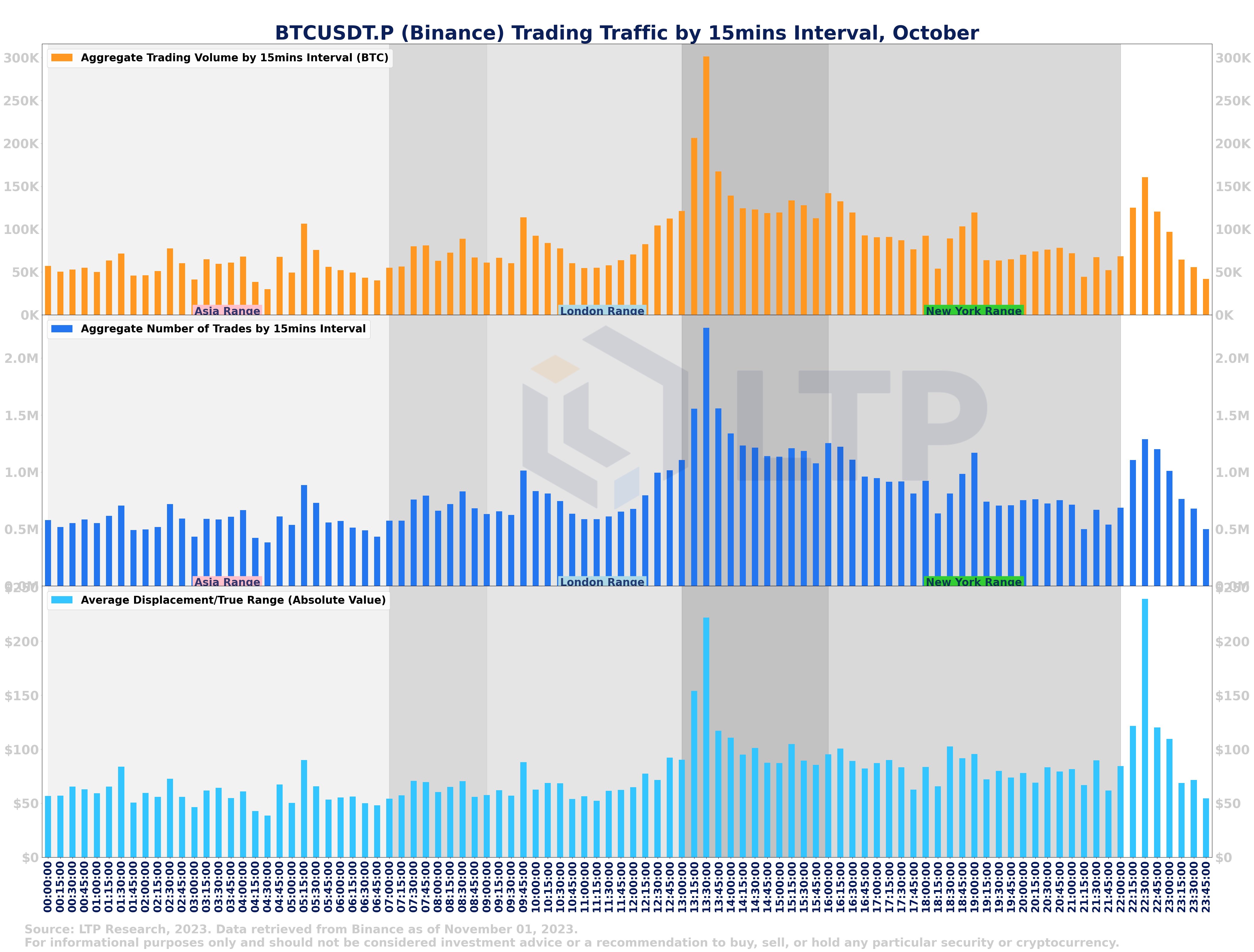
n October, the highest trading activity for Bitcoin occurred during the overlap of London Trading Hours and New York Trading Hours, specifically from 13:00 UTC to 16:00 UTC. During this period, we observed that the London Range accounted for 45.22% of the total trading volume and 43.55% of the total trades. Similarly, the New York Range represented 36.19% of the total volume and 37.14% of the total trades. On the other hand, the Asian Range contributed to 23.47% of the total volume and 24.22% of the total trades for the month.Additionally, there was an observed increase in trading activity between 22:00 UTC and 23:00 UTC during the same month. It's essential to consider these timings when analyzing trading patterns, as they provide insights into the most active periods for Bitcoin trading on Binance.
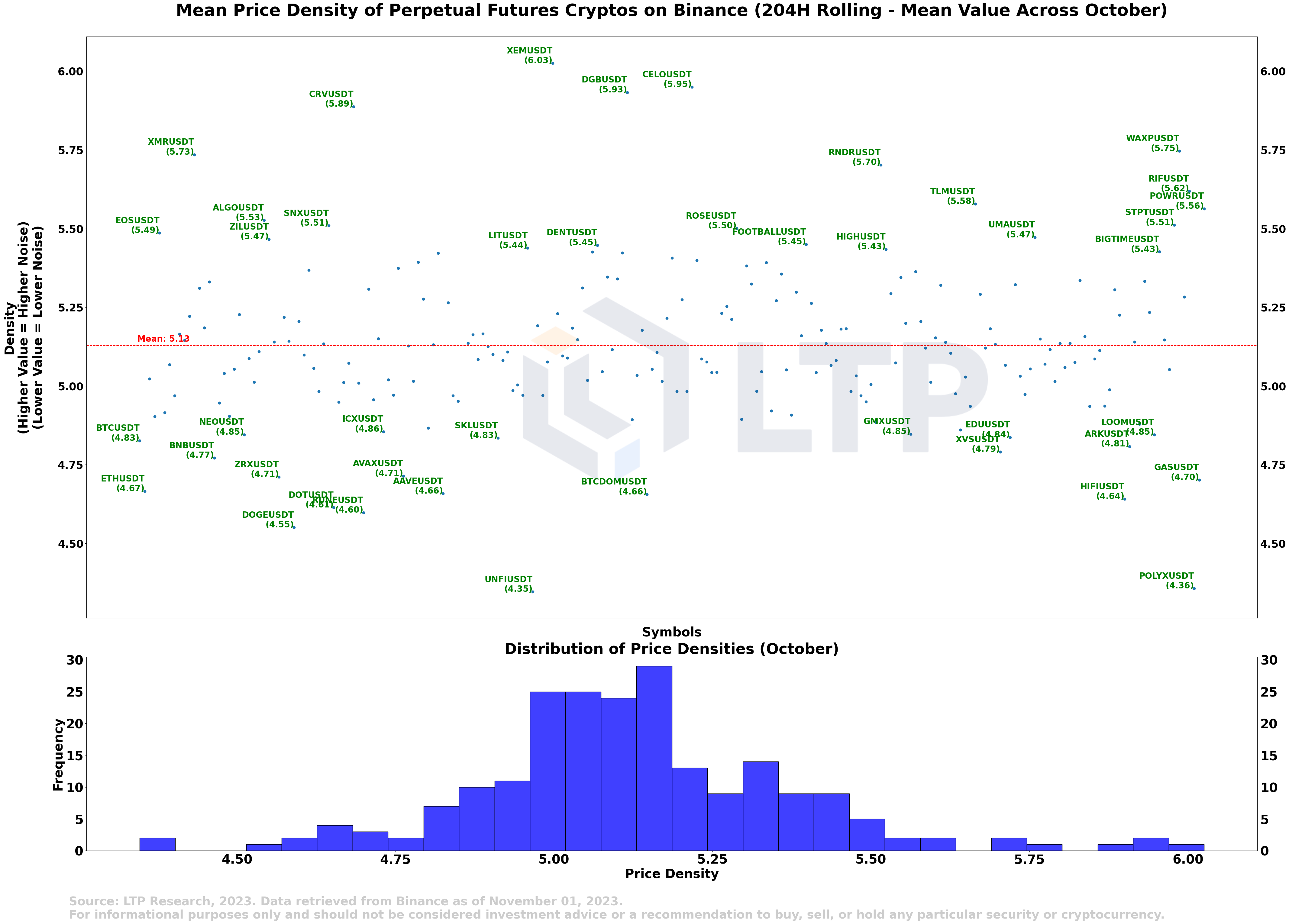
The Price Density Indicator is a valuable tool for assessing the price efficiency of various financial instruments. A higher Price Density reading indicates that asset prices exhibit less choppiness and follow cleaner trends with reduced noise. In the context of October, it's noteworthy that XEMUSDT, CELOUSDT, and DGBUSDT demonstrated the highest readings on this indicator, suggesting smoother price trends. Conversely, UNFIUSDT and POLYXUSDT exhibited the lowest readings, indicating more erratic price movements.It's important to highlight that the mean threshold for all FAPI pairs registered at 5.13. This value serves as a reference point for evaluating the relative efficiency of individual trading pairs. Furthermore, it's notable that the chart annotates only the top 10% and the bottom 10% of the distribution, providing a focused view of the most and least efficient pairs within the dataset.
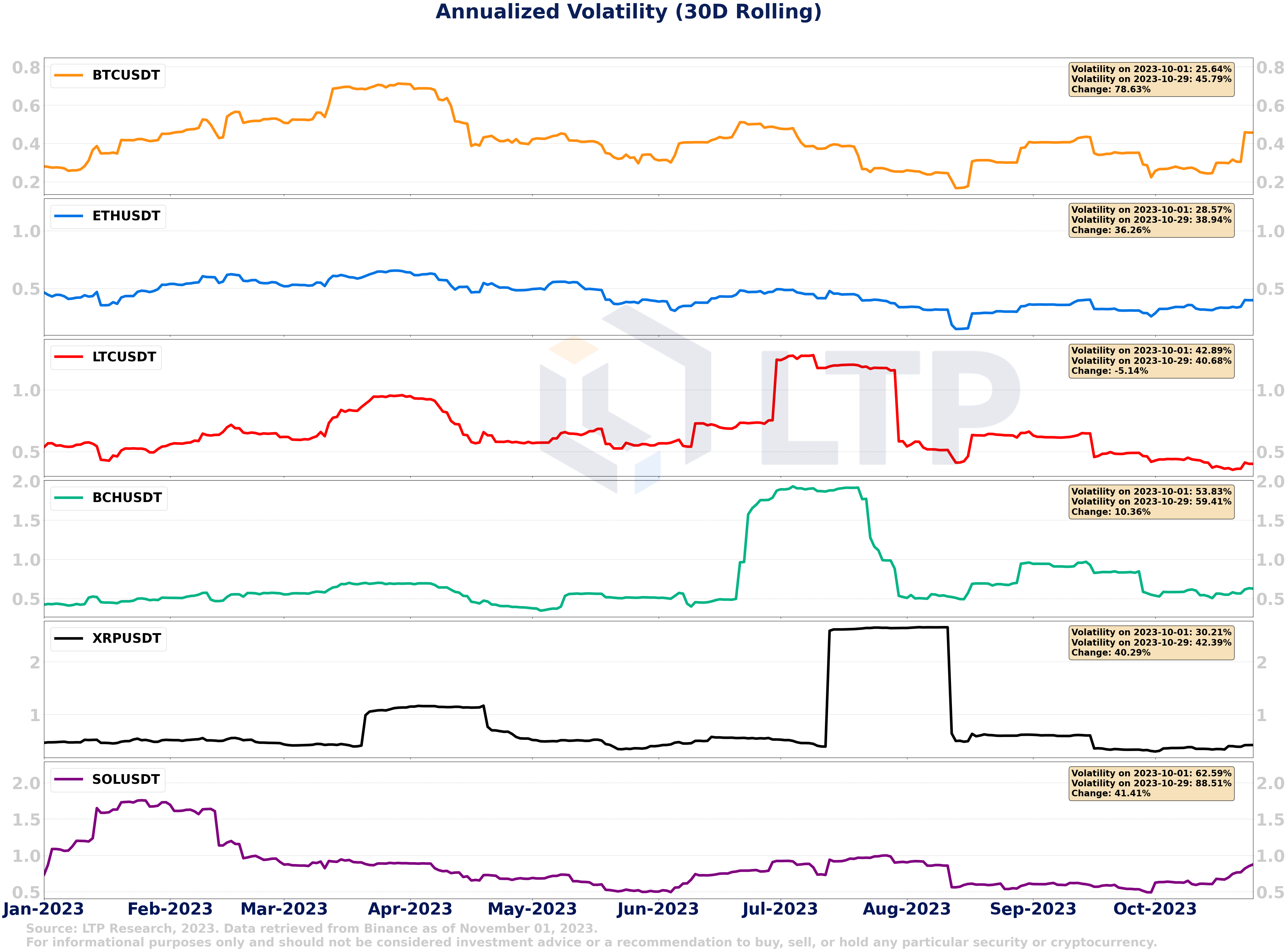
Among the popular cryptocurrencies, Bitcoin experienced the most significant gain in volatility during the month of October, with a substantial 78% increase by the end of the month. Following closely behind, SOLUSDT exhibited a notable 41% increase in its volatility readings. Ethereum and XRP also saw substantial increases in volatility, recording gains of 36% and 40%, respectively.In contrast, Litecoin's volatility remained relatively low, indicating a comparatively stable price movement throughout the month of October.
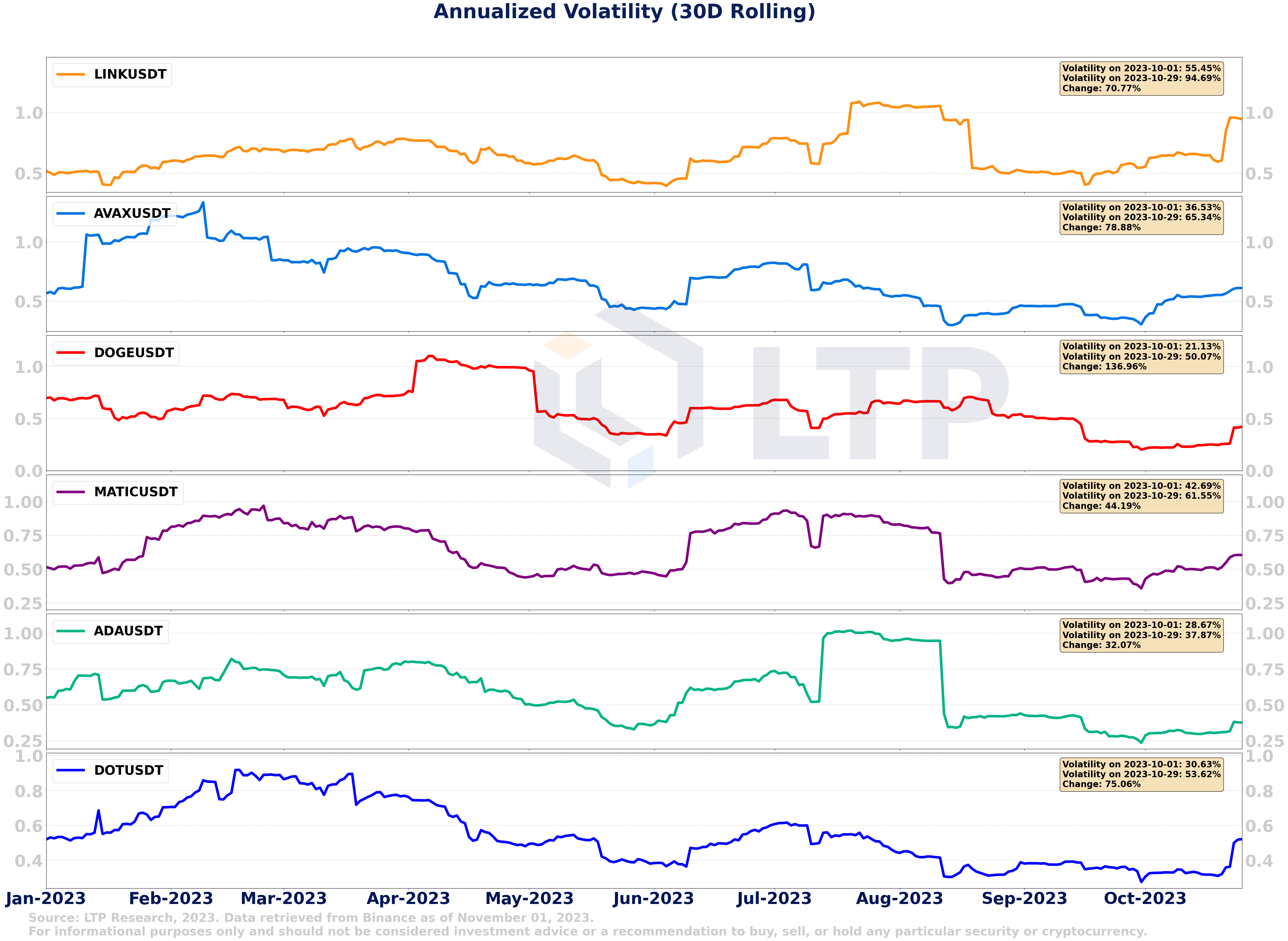
Among other altcoins, there was a notable surge in volatility observed in several trading pairs, including LINKUSDT, AVAXUSDT, DOTUSDT, and DOGEUSDT. Particularly, DOGEUSDT, which is often associated with the memecoin sector, experienced the most significant increase in volatility. By the end of October, DOGEUSDT had recorded an impressive 136% gain in terms of volatility, signifying substantial price fluctuations and market activity within the meme cryptocurrency segment.
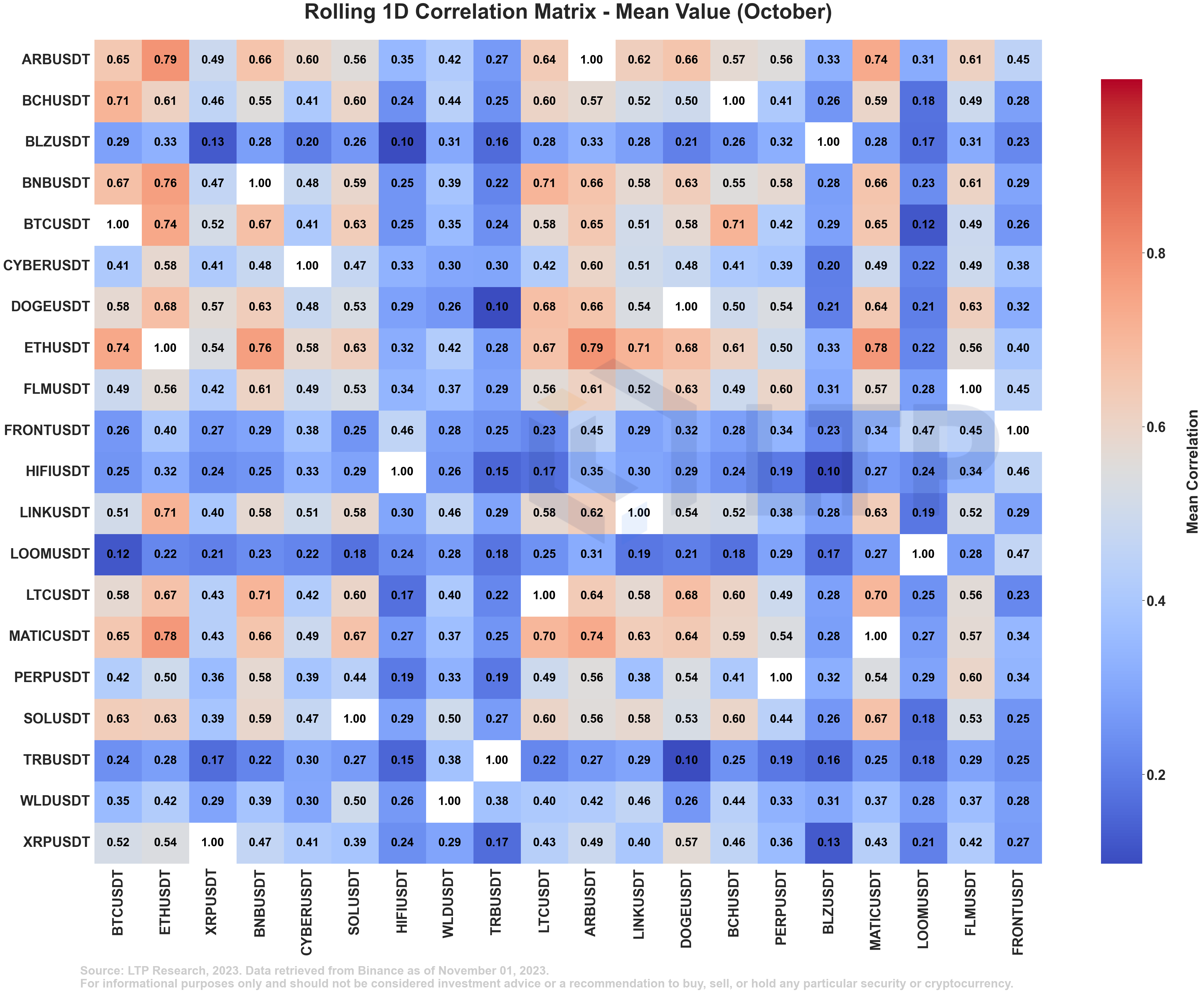
In October, BTCUSDT maintained the tightest correlation with ETHUSDT, BCHUSDT and BNBUSDT. ETHUSDT maintained the tightest correlation with BNBUSDT, ARBUSDT, MATICUSDT and DOGEUSDT.
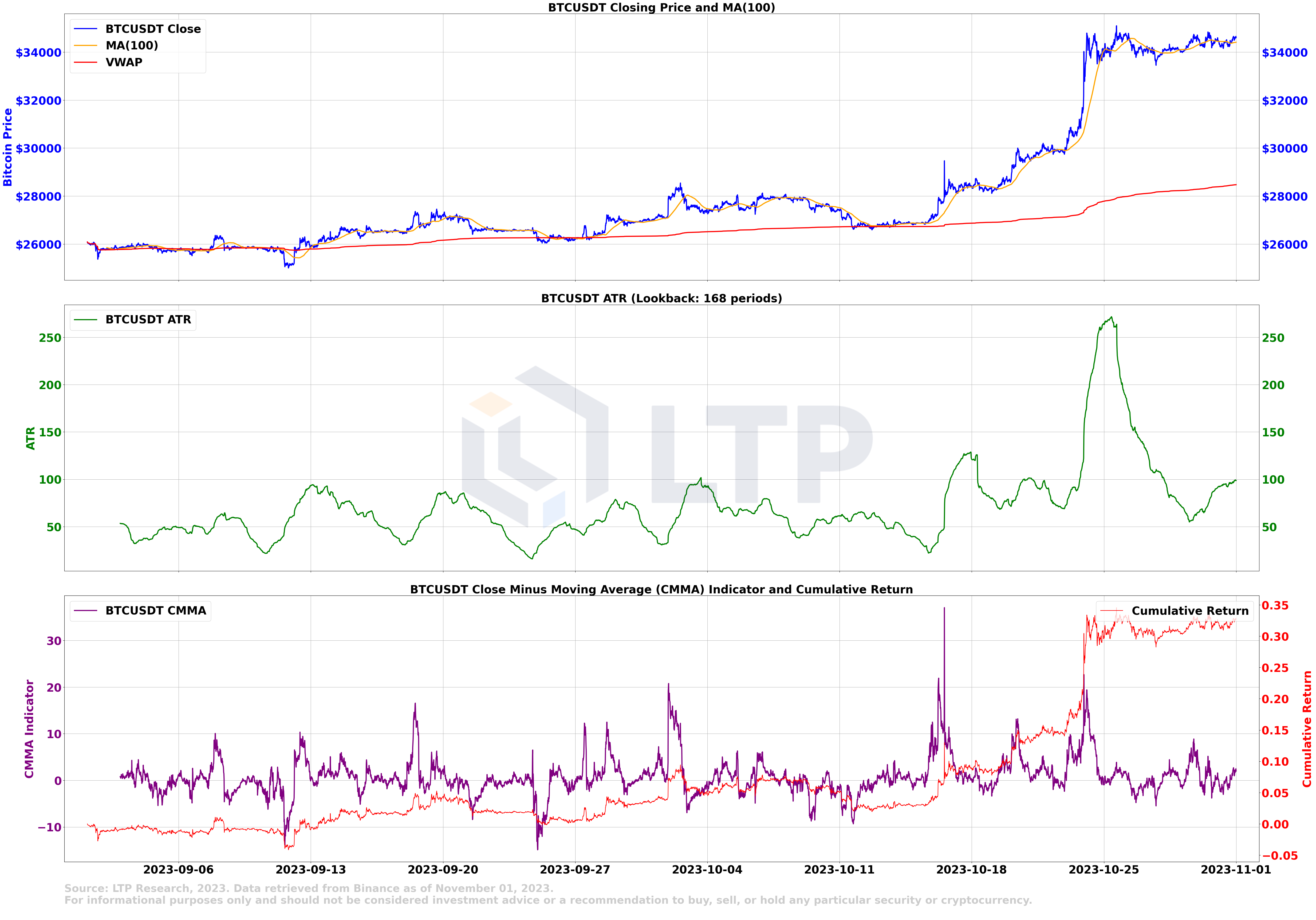
The Close Minus Moving Average (CMMA) is a widely employed indicator utilized to gauge the degree of deviation of an asset's price from its moving average. It can be effectively employed in conjunction with other assets exhibiting strong correlations to formulate mean-reversion strategies, with a focus on meticulous optimization and necessary adjustments.Observing the provided chart, it becomes apparent that the CMMA indicator generated extreme readings on two specific dates, namely the 16th and 23rd of October. These instances of extreme CMMA readings may serve as potential signals for trading opportunities, especially when comparing the CMMA values of one asset to those of other correlated assets. This analytical approach can aid in identifying potential mean-reversion scenarios, enabling traders to make informed and strategic decisions in their trading activities.
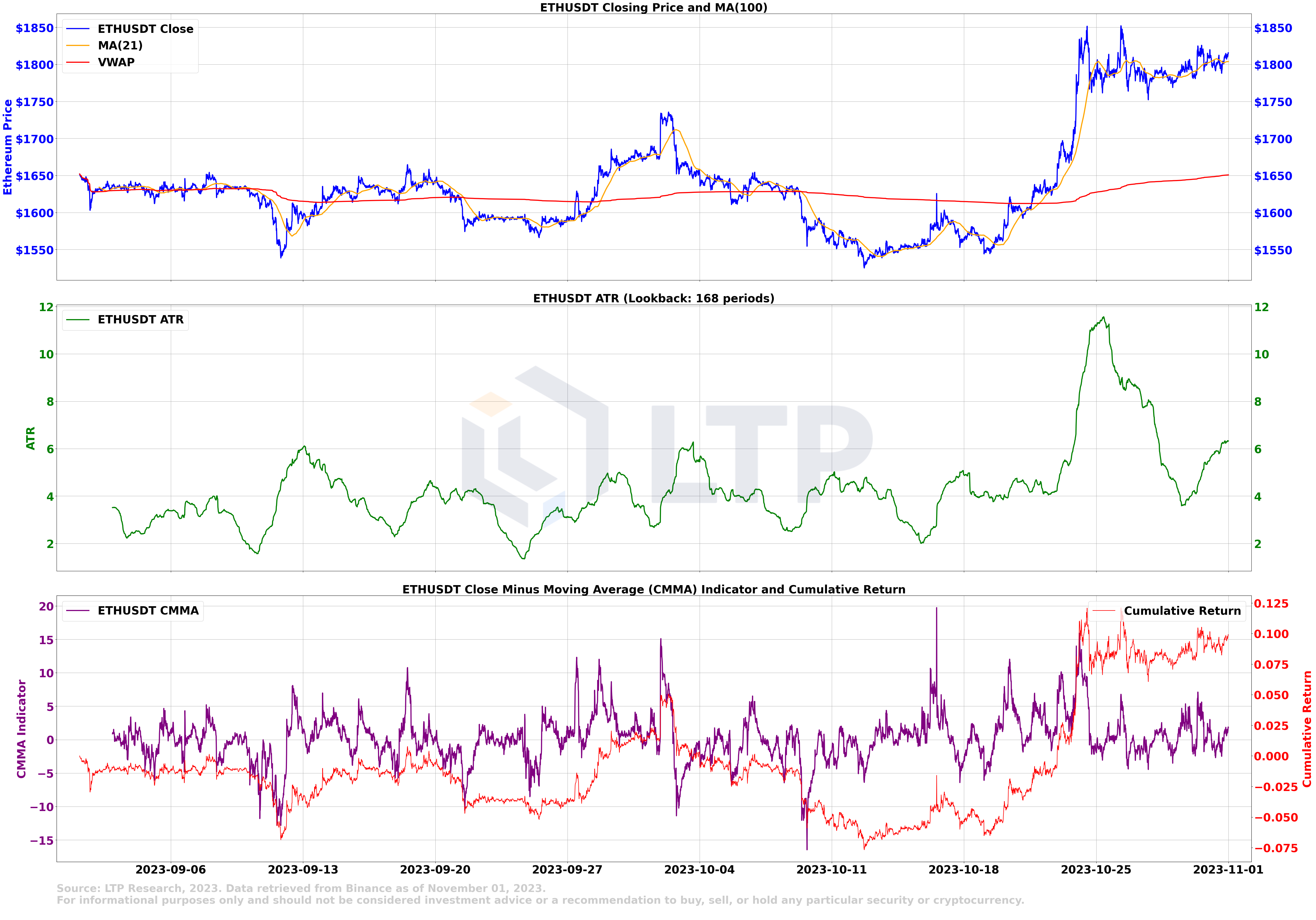
ETHUSDT had a relatively moderate CMMA reading compared to BTCUSDT.
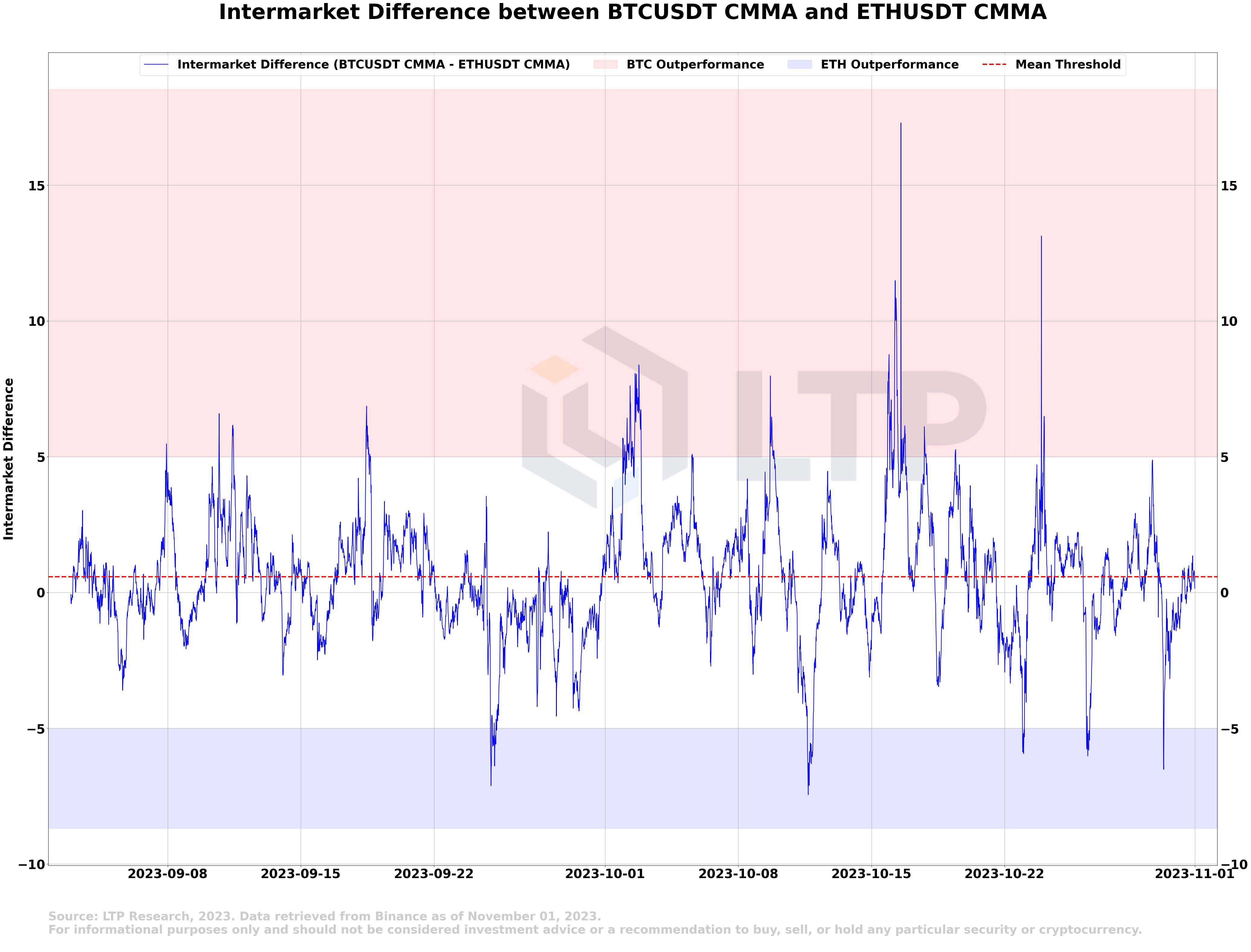
On both the 16th and 23rd of October, significant extreme readings were observed in the intermarket difference between BTCUSDT's CMMA and ETHUSDT's CMMA. It's important to note that a high reading in this context signifies that BTCUSDT outperformed ETHUSDT during those periods, while a low reading would indicate the opposite, with ETHUSDT outperforming BTCUSDT. These extreme readings can offer valuable insights into the relative performance of these two cryptocurrency pairs and may be used to inform trading decisions and strategies.
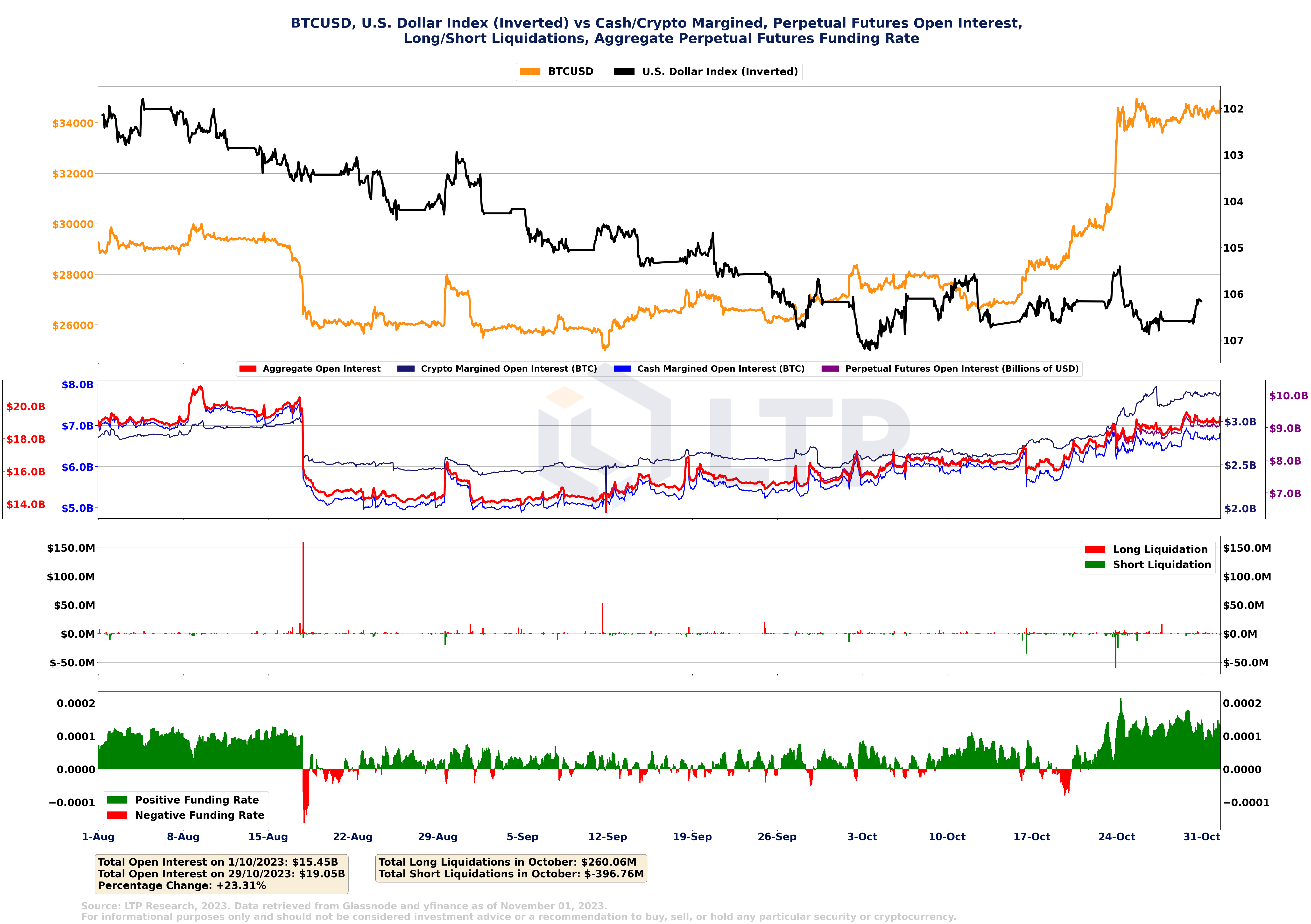
In the month of October, the aggregate open interest of Bitcoin Perpetual Futures experienced a noteworthy increase of approximately $3.5 billion, marking a substantial 23% uptick over the course of the month. It is worth noting, however, that despite this significant increase, the open interest reading did not surpass the high point recorded on the 15th of August, which stood at $21 billion.Furthermore, it should be emphasized that Alex Thorn from Galaxy Research highlighted the role of a gamma squeeze executed by option dealers in contributing to the heightened volatility and substantial price appreciation during this period. This observation is substantiated by the remarkable 90% increase in SPOT trading volume on Binance and OKX.Gamma Squeeze Explained:Options Trading: Traders buy call options, betting that the price of Bitcoin will go up. The sellers of these options are often market makers.Delta Hedging: Option sellers need to hedge their positions to manage risk. They do this through a process called "delta hedging," which involves buying or selling the underlying asset (Bitcoin) to offset the risk of the options positions. The amount they need to buy or sell is determined by the "delta" of the options, which measures how much the price of the option is expected to move for every $1 move in the underlying asset.Gamma and Rapid Price Movement: "Gamma" measures how much the delta of an option will change for every $1 move in the underlying asset. When traders buy a lot of call options, and the price of Bitcoin starts to rise, the delta of the options increases, and the gamma becomes positive. This forces option sellers to buy more Bitcoin to stay hedged.Feedback Loop: As option sellers buy more Bitcoin, the price of Bitcoin goes up even more. This, in turn, increases the delta and gamma of the options, requiring the sellers to buy even more Bitcoin. This creates a feedback loop, driving the price of Bitcoin higher and higher in a short period of time.Purchasing Spot Bitcoin: In order to adjust their hedge positions quickly and effectively, option dealers might need to purchase spot Bitcoin directly in the market, contributing to the rapid price increase.In summary, a gamma squeeze forces option sellers to adjust their hedge positions by buying more of the underlying asset, which can lead to rapid price increases and heightened volatility in the market. This is why option dealers might need to purchase spot Bitcoin during a gamma squeeze.The sudden and sharp price surge also triggered significant short liquidations in the Perpetual Futures market. The total short liquidations in October amounted to $397 million, whereas the total long liquidations recorded $260 million during the same period.
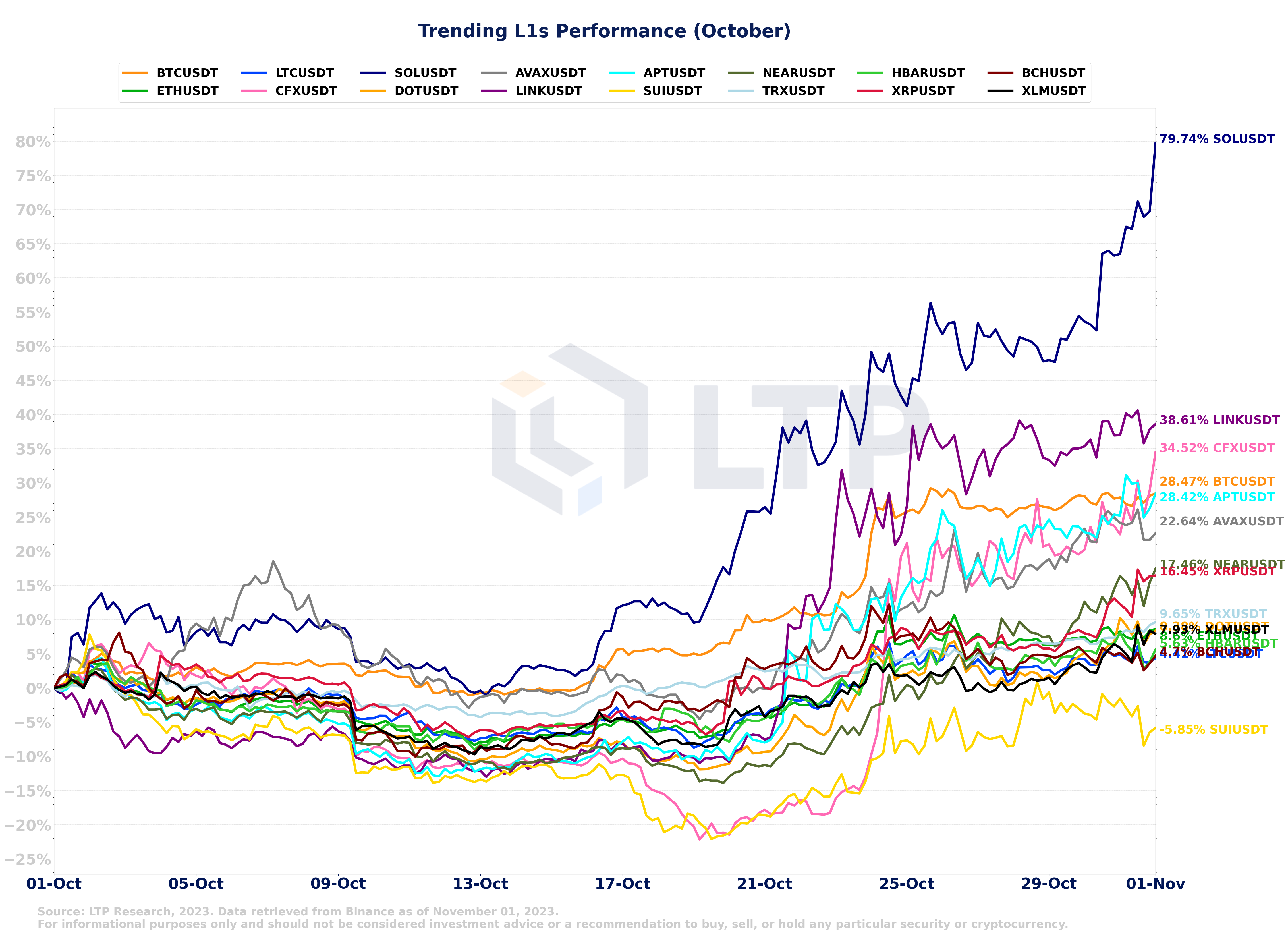
SOLUSDT exhibited a remarkable price appreciation of 80% throughout the month of October, making it one of the standout performers. It was closely followed by LINKUSDT and CFXUSDT, which also demonstrated impressive gains. Notably, all of these cryptocurrencies outperformed Bitcoin, which experienced a 28% increase in its price during the same period.
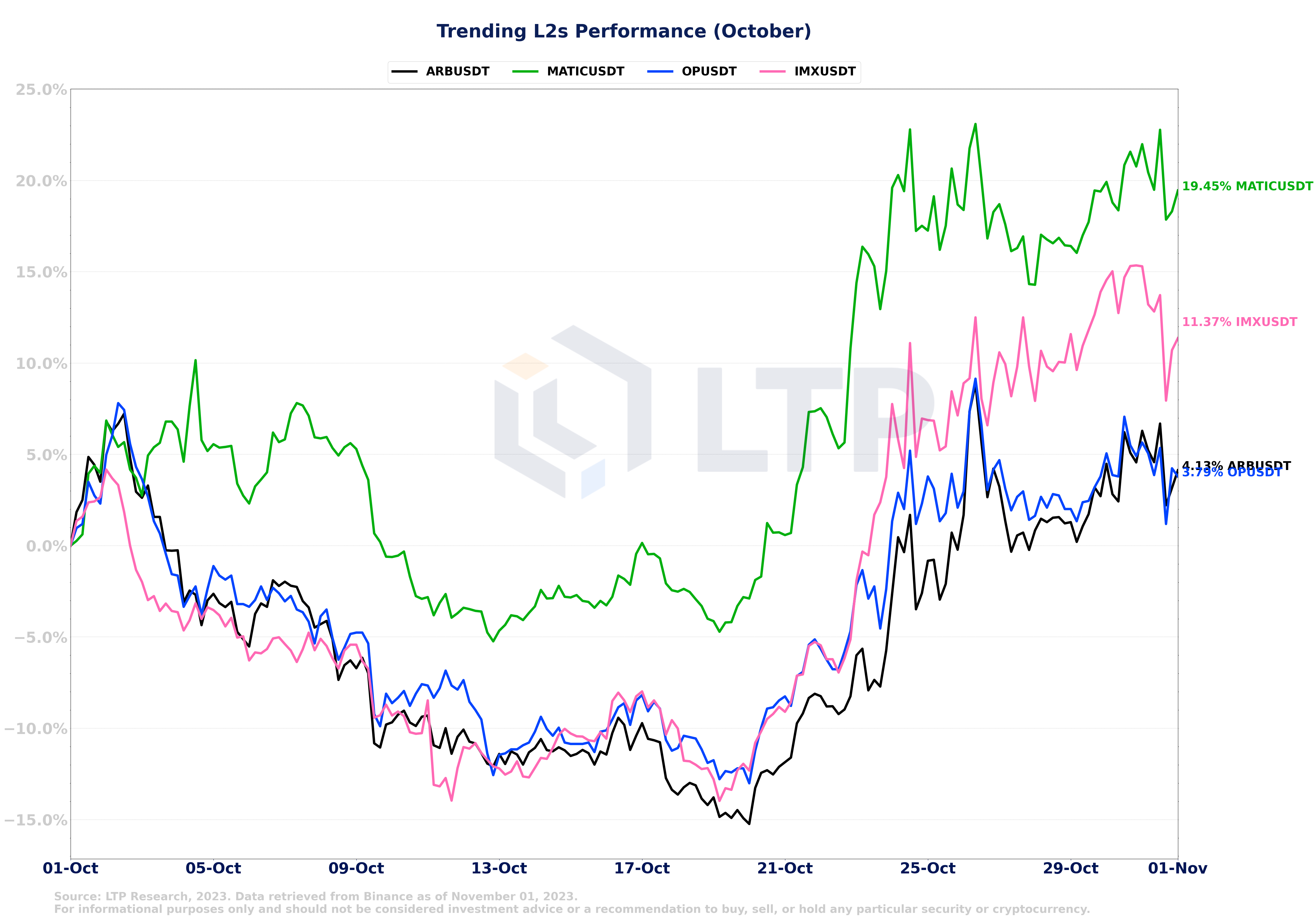
MATICUSDT outperformed among L2s.
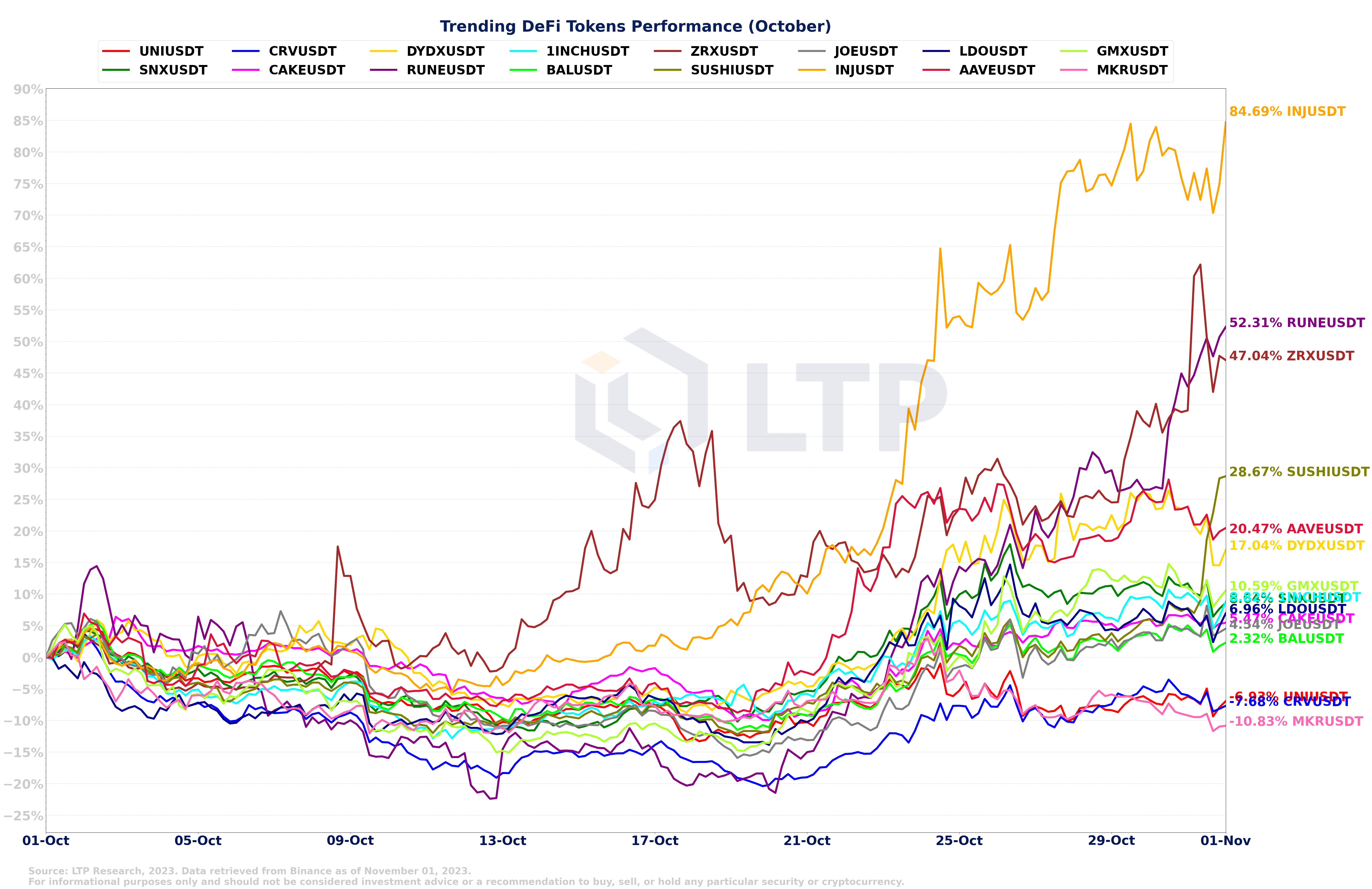
INJUSDT took the lead throughout the month of October, delivering an impressive 85% price appreciation. It was followed closely by RUNEUSDT and ZRXUDT, which also demonstrated notable price gains during the same period.
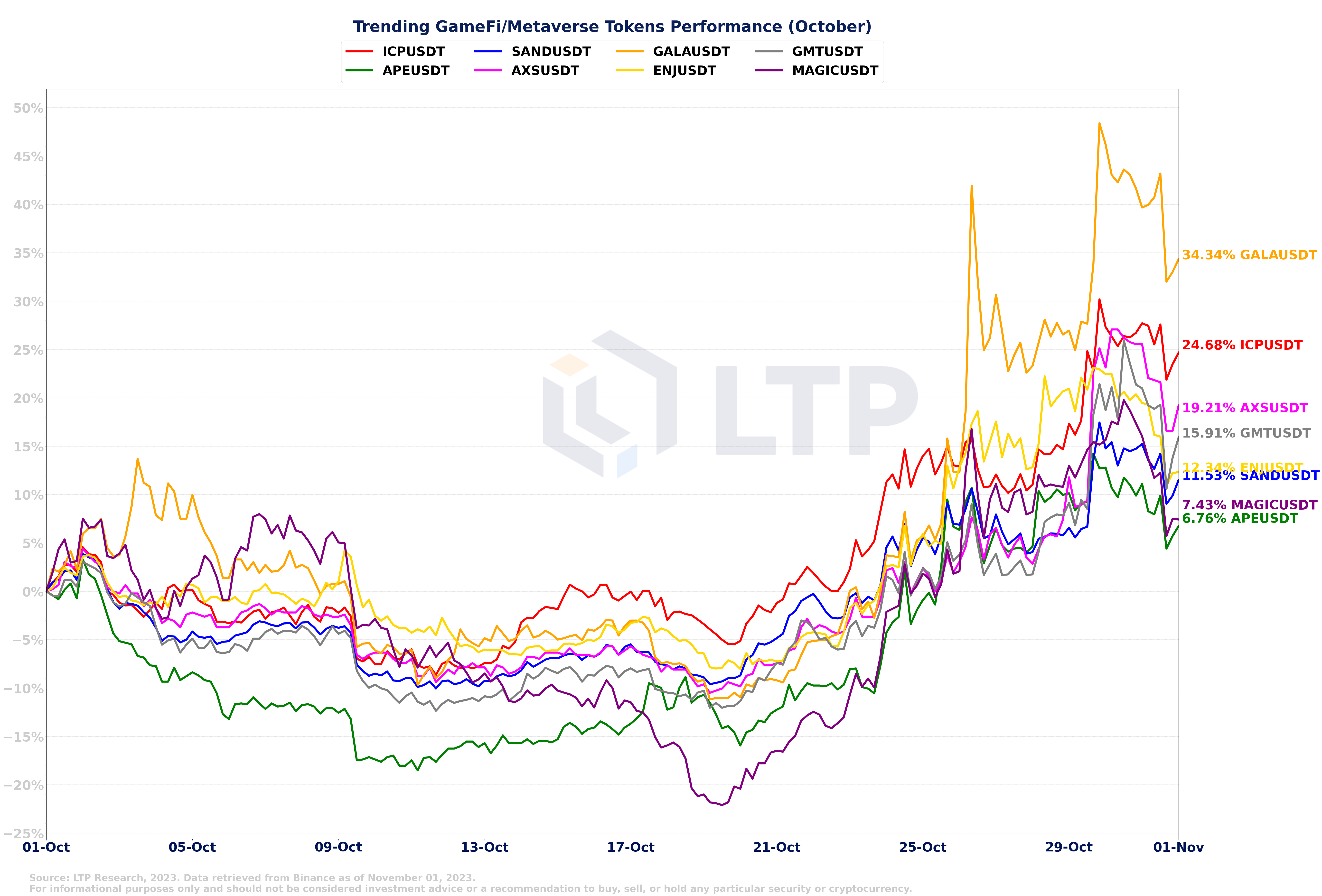
In October, GALAUSDT exhibited a noteworthy 34% price increase, surpassing the performance of other tokens within the GameFi and Metaverse concept category.
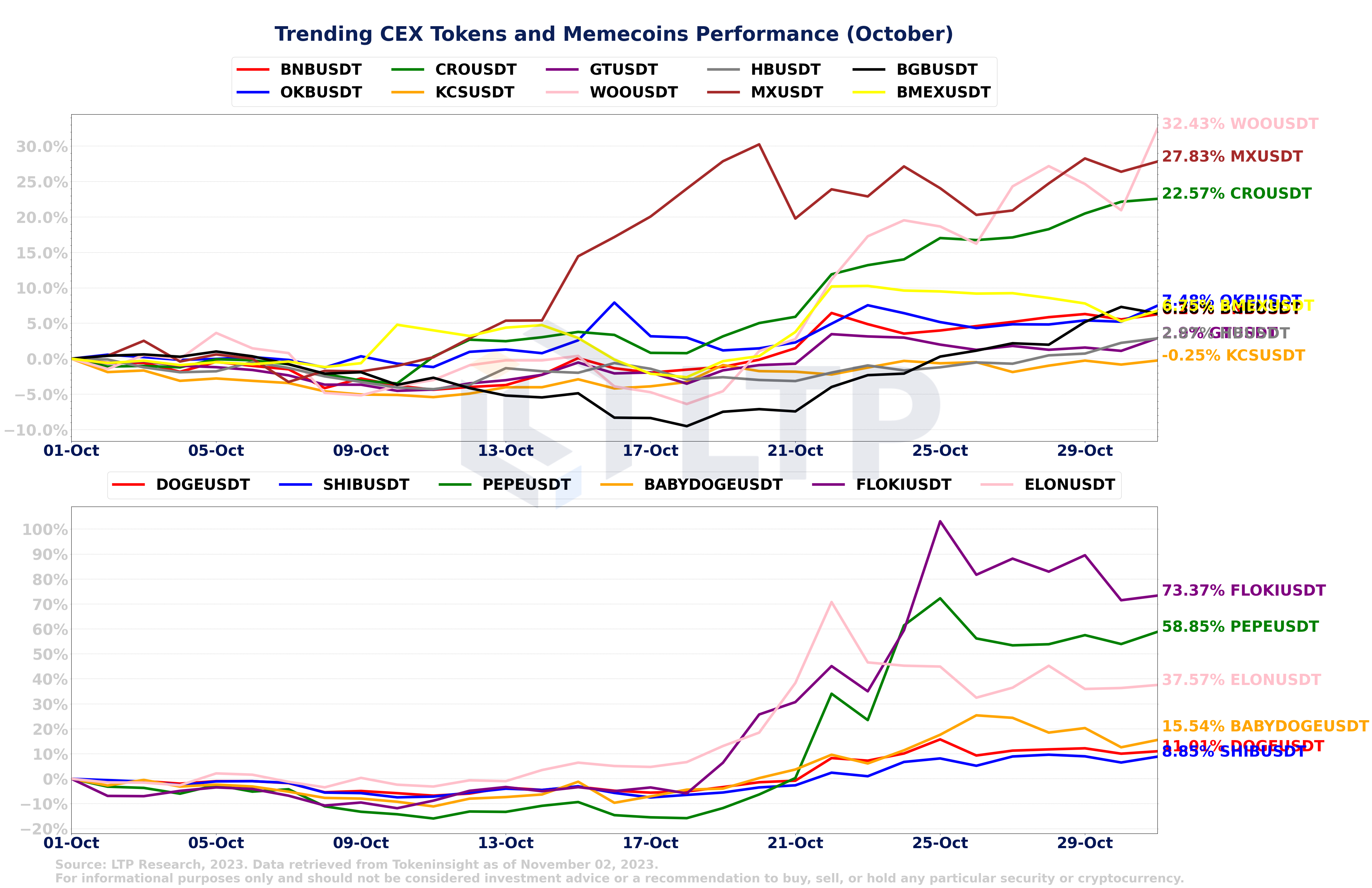
In October, the memecoin sector displayed heightened volatility, largely influenced by an increased risk appetite in response to Bitcoin's substantial price surge. Notably, within this sector, FLOKIUSDT and PEPEUSDT stood out as notable outperformers.
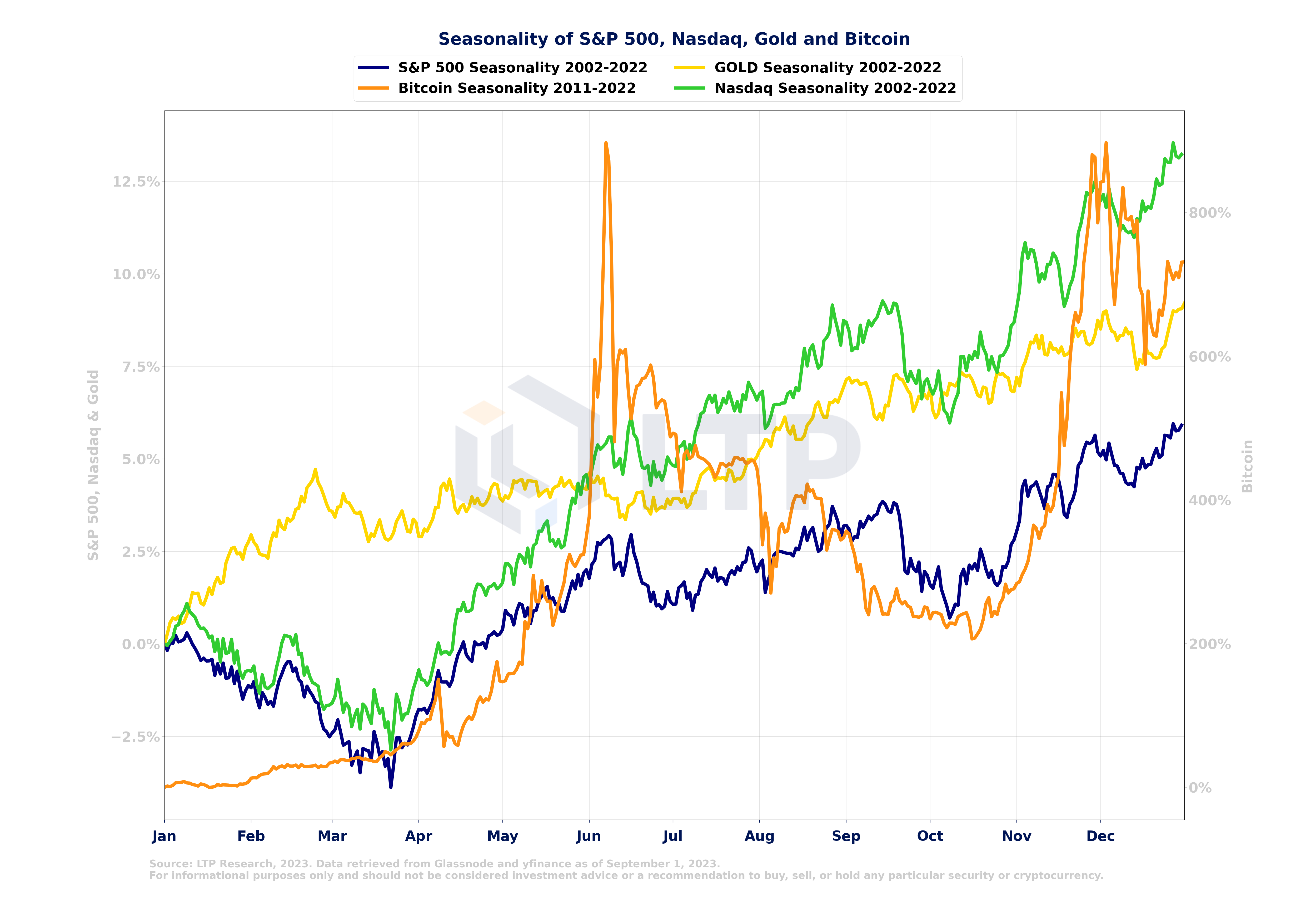
Past performance is no guarantee of future results. November was generally bullish for equities and cryptocurrencies.
Bitcoin gains legal recognition as digital currency in Shanghai, China
Taiwan bans unregistered foreign crypto exchanges from operating
SEC’s Motion to Appeal Loss in Ripple Case Is Denied
Ripple obtains digital asset license from Monetary Authority of Singapore\
Coinbase granted full license in Singapore
Current laws sufficient to charge Sam Bankman-Fried for alleged fraud: DOJ
Hong Kong to list ‘suspicious’ crypto platforms in wake of JPEX scandal
US lawmakers urge IRS to implement crypto tax reporting requirements before 2026
European regulator: DeFi comes with significant risks as well as benefits
Hata receives in-principle approval to be fifth Malaysian digital exchange
California 'BitLicense' Bill Signed by Gov. Newsom
Tether Freezes 32 Crypto Addresses Linked to Terrorism, Warfare in Israel and Ukraine
Bitcoin Jumps to $30K, Then Dumps, as False Spot ETF Approval Report Circulates
Genesis Ordered to Comply With Terra Subpoena Within 5 Days
Binance to Stop Accepting New U.K. Users to Comply With Ad Rules
California Assembly Passes Crypto Regulation Bill That Requires Bank-Issued Stablecoins
Franklin Templeton Joins Spot Bitcoin ETF Race
SEC Won’t Appeal Loss in Grayscale Case, Boosting the Odds GBTC Can Become a Bitcoin ETF
Senators Urge IRS to Speed Up Plan to Snag Crypto Tax Cheats
FTX Plans to Return 90% of Customer Funds, but There's a Catch
Binance.US Halts Direct Dollar Withdrawals
Uniswap Foundation targets $62M in additional funding
Coinbase Trading Volume Slows Further as Crypto Winter Continues: Berenberg
EU Formally Agrees on New Crypto Tax Data Sharing Rules
New York Attorney General Sues Gemini, DCG, Genesis; AI's Role in the Future of Web3
Coinbase Picks Ireland for EU Hub With MiCA Law Set to Open European Market
SEC Drops Charges Against Ripple CEO Garlinghouse, Chairman Larsen
Binance withdrawals spike to $1.4B in 24 hours amid continued executive departure and regulatory struggles
Hong Kong regulator updates policy for virtual asset activities
FinCEN proposes designating crypto mixers as money-laundering hubs
Banks’ crypto exposure must be disclosed — BIS’ Basel Committee
PetroChina Completes First International Crude Oil Trade in Digital Yuan: Report
FCA warns about common issues with crypto marketing
BlackRock’s spot Bitcoin ETF now listed on Nasdaq trade clearing firm — Bloomberg analyst
Bitcoin volatility triggers over $147 million in liquidations
European Banking Authority, ESMA issue crypto entity suitability guidelines
November Volatility
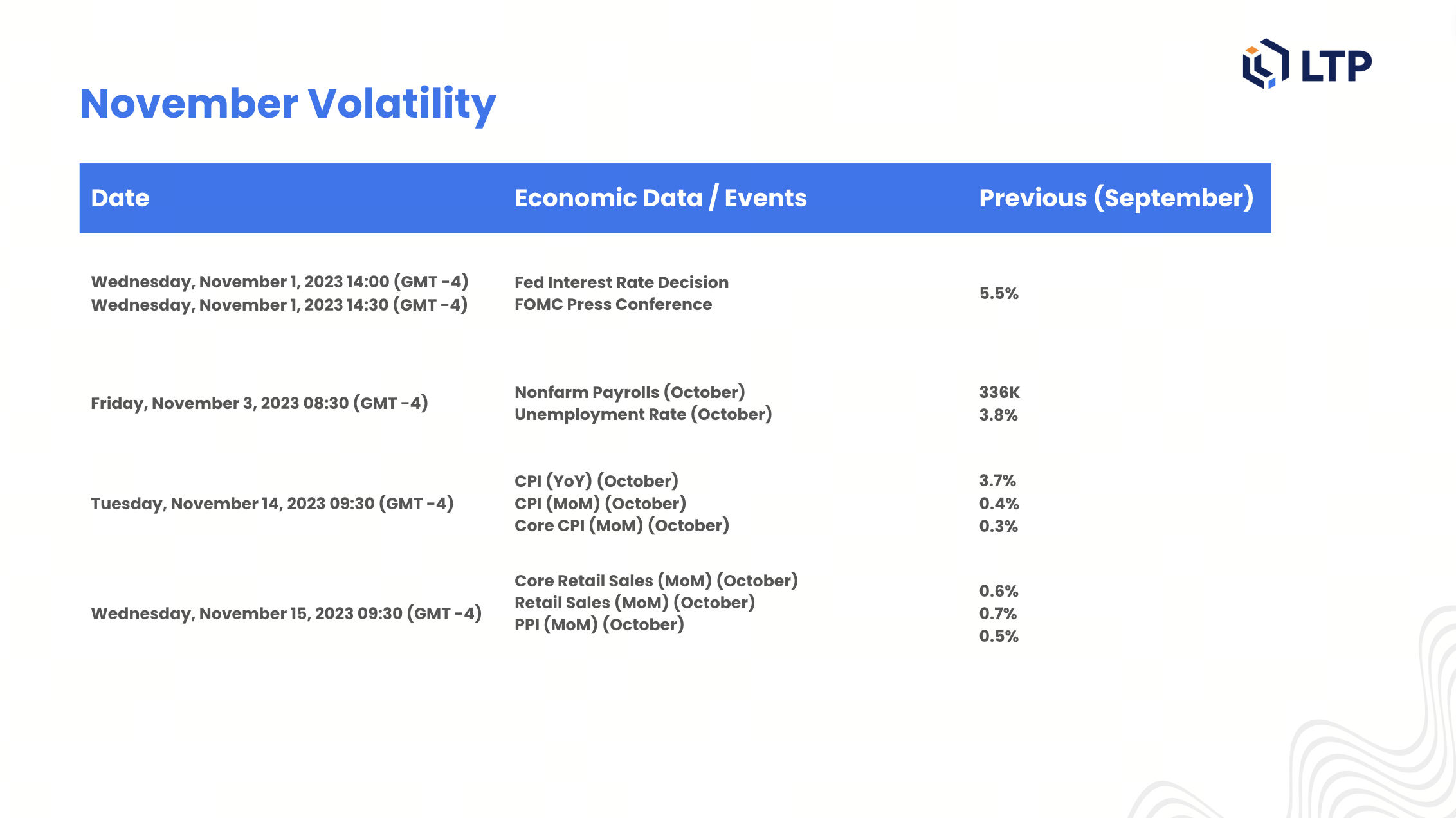
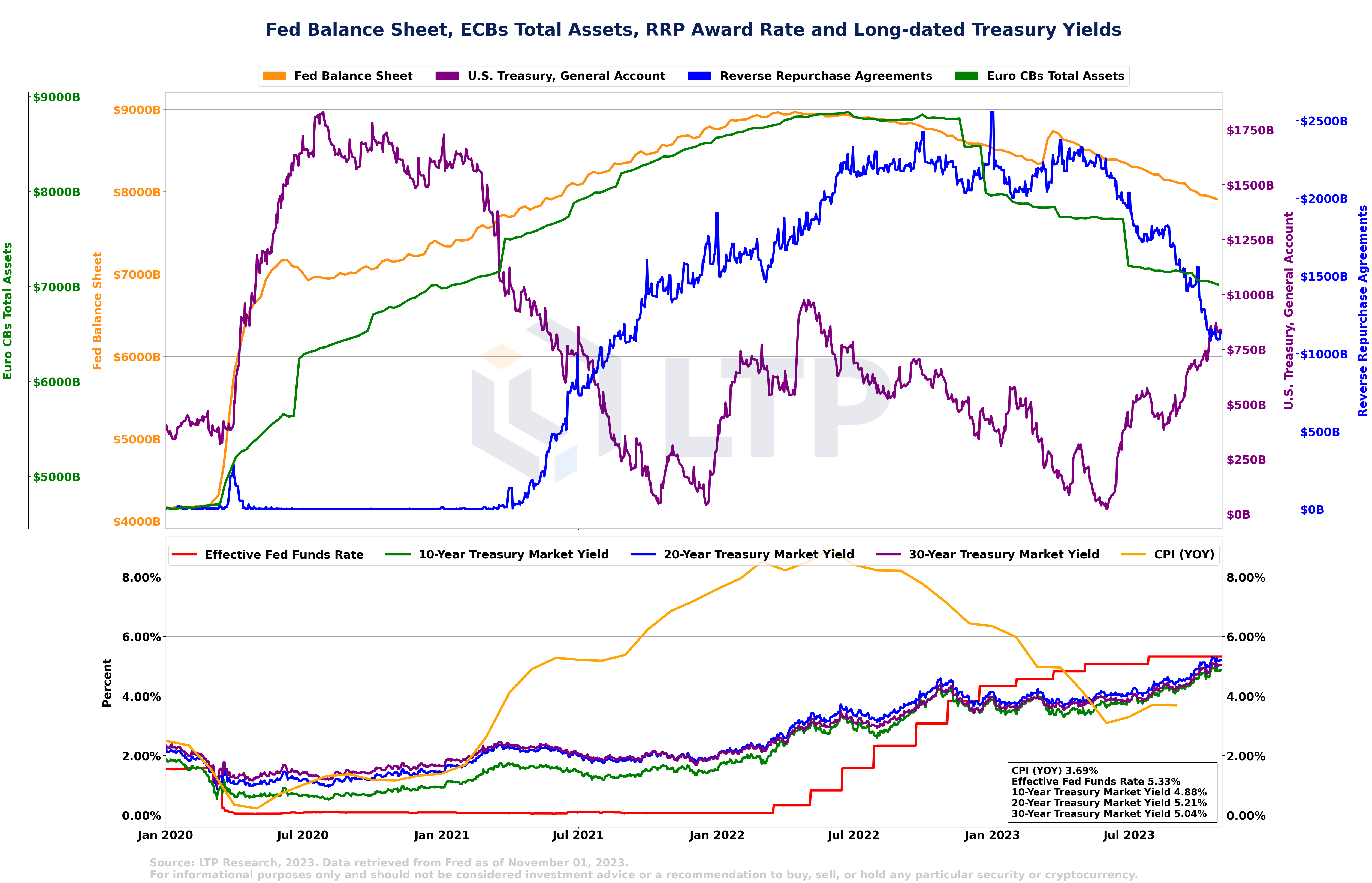
The U.S. Treasury has released its Quarterly Refunding statement and schedule for the fourth quarter of 2023. In this statement, it is indicated that the U.S. Treasury plans to continue a gradual increase in coupon auction sizes from November 2023 to January 2024. This increased supply of bonds could potentially exert downward pressure on bond prices, consequently leading to upward pressure on bond yields. Such developments in the bond market have the potential to influence the performance of equities in the longer term.
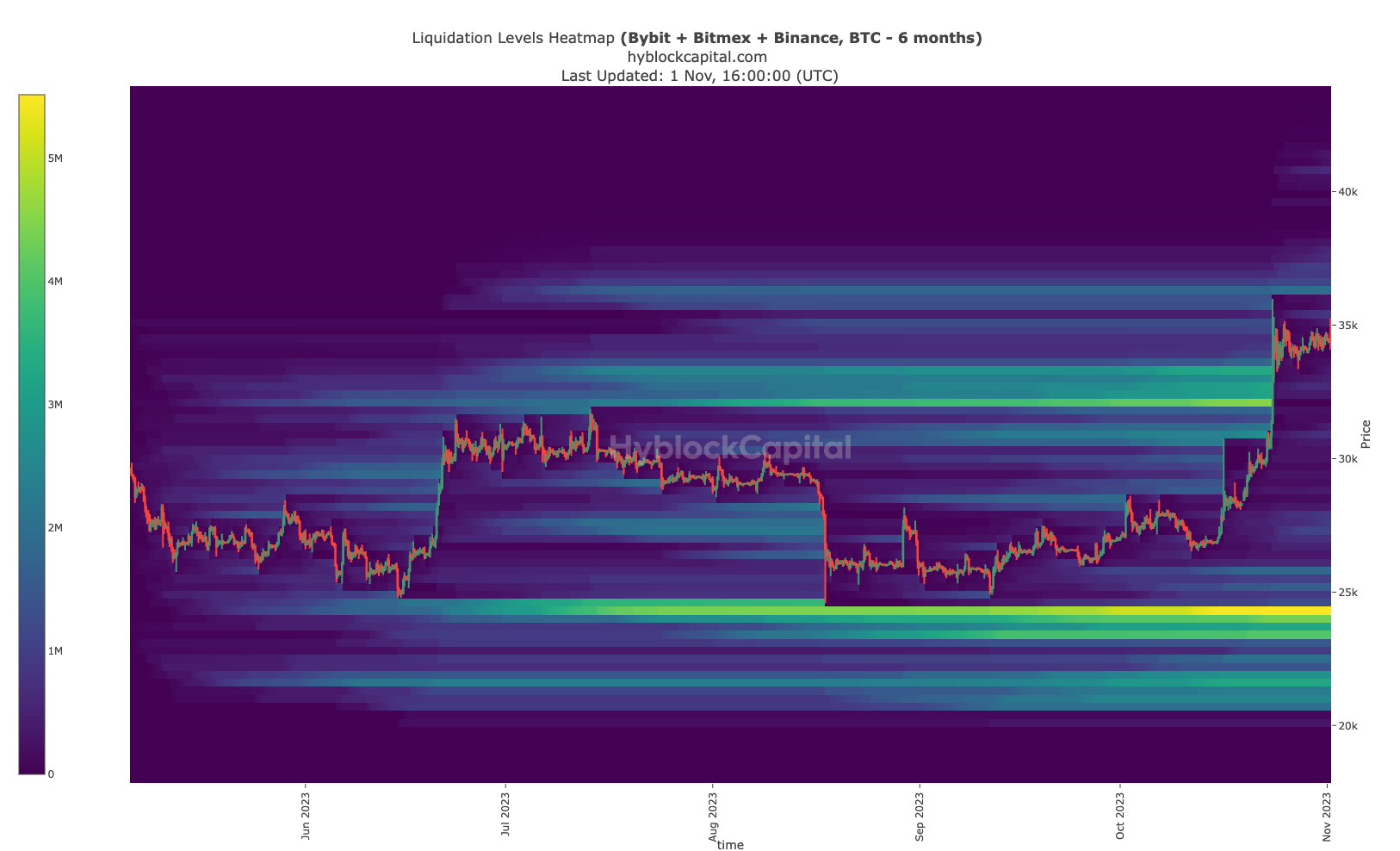
Liquidation zone below market price:$22,000 - $24,000.Source: Hyblock Capital., as of November 1, 2023.For informational purposes only and should not be considered investment advice or a recommendation to buy, sell, or hold any particular security or cryptocurrency.
The information, opinions, estimates, and projections contained in this cryptocurrency market commentary (collectively "Information") are provided by LIQUIDITY TECHNOLOGIES INC. (the "Company"). This Information is for informational purposes only and is not intended to serve as investment advice or any form of endorsement or recommendation. The company has taken reasonable measures to ensure the accuracy and validity of the Information provided but makes no warranty as to its accuracy or completeness. The opinions expressed reflect the judgment of the authors at the date of publication and are subject to change without notice.The Information should not be construed as an offer or solicitation to buy or sell or trade in any cryptocurrency, security, or financial instrument. It does not account for individual investment objectives or the financial situation of any readers. Cryptocurrencies are volatile and complex products and are subject to significant risks including the risk of sudden and substantial price movements.Investments in cryptocurrencies are not protected by any statutory compensation arrangements in the event of the firm's failure. The value of cryptocurrencies may be affected by changes in currency exchange rates, regulatory interventions, or other political and economic developments.Investors should be aware that the value of their investments can fall as well as rise, and they may not receive back the original amount they invested. If you are in any doubt about the contents of this document, you should seek independent professional advice.Any historical information contained in this Information is based on our own analysis and is provided for illustrative purposes only. Past performance is not indicative of future results, which may vary.In no event shall the company, nor its directors, employees, agents, partners, suppliers or affiliates, be accountable or liable for any indirect, incidental, special, consequential or punitive damages, including without limitation, loss of profits, data, use, goodwill, or other intangible losses, resulting from the use of this Information. The company reserves the right to change, modify, add, or remove portions of this information for any reason at any time without notice.


All Comments