

Just about three years ago, non-fungible token (NFT) brand Pudgy Penguins was nearing bankruptcy — now it’s projected to end the year with $50 million in revenue.
CEO and owner Luca Schnetzler (better known as Luca Netz) built a fortune through Instagram before breaking into the toy industry. In the blockchain world, he was among the largest Pudgy Penguins holders, but like many in the community, he wasn’t happy with the collection’s price performance. In April 2022, the project was at an all-time low. He decided to strike, acquiring parent firm Igloo for $2.5 million in Ether .
But soon, Netz had some hard choices to make. The Terra collapse in May 2022 sparked a prolonged bear market. NFT assets tanked in value, threatening to turn Netz’s acquisition into a failure.
In a recent interview with Cointelegraph, Netz explained his thinking at the time: “This company is going to run out of money in six months if I don’t start making real money, and it’s clear that I’m not going to make any Web3 money... Physical products were the only thing I knew how to do.”
Netz expanded his NFT business into the physical toy industry to extend the runway. Initially, it was just enough “to pay the bill,” but it has scaled into a multimillion-dollar cash cow.
Meanwhile, a physical collectibles craze is spilling over into digital assets, setting collections like Pudgy Penguins up for the next surge in NFTs.
Pudgy Penguins is Netz’s next Instagram hit amid NFT struggles
Netz has told his story countless times. His family struggled to find stability during his childhood. He moved frequently, which made high school frustrating and eventually pushed him to seek opportunities outside of school.
According to Netz, he made his first million at the age of 18 through a drop-shipping business on Shopify, selling jewelry he promoted through Instagram fan pages of popular hip hop artists. He went on to become the chief marketing officer of Gel Blaster, a toy gun that shoots water gel pellets sold in big-box stores such as Walmart.
When NFT revenues and the larger blockchain ecosystem spiraled, Netz relied on his consumer products background to expand Pudgy Penguins into a physical toy brand.
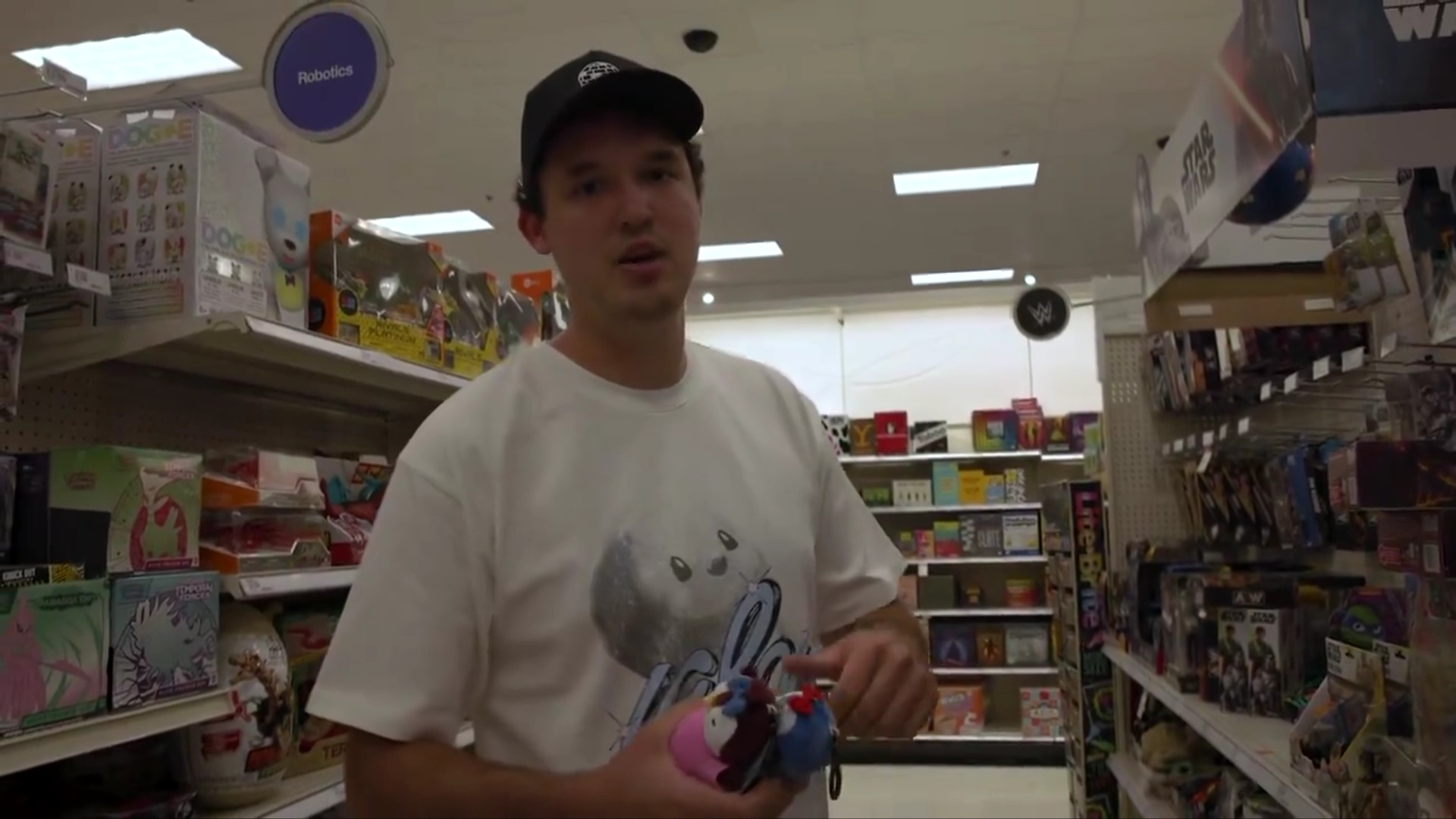
At the time, it was just enough to keep the company afloat on the finance side, but it was also growing into a broader cultural brand.
“Toys are a high-revenue but low-profit-margin business. Today, we make millions of dollars selling toys, but we scaled into it,” Netz said.
“At the time, we needed it to pay the bill and sustain the company without having to either shut down or ask the community for money.”
Most cryptocurrency projects build communities on social media platforms familiar to the industry, such as X, Discord and Telegram. Instagram, a platform known for visuals, is often deprioritized by crypto projects. To Netz, this didn’t “make any sense.” Pudgy Penguins is on the typical crypto social channels as well, but Netz has placed a greater focus on Instagram than most other projects.
“When I go to Walmart or Target, [they don’t care about] the big crypto numbers like NFT market cap, price or volume,” he said. “The thing that really moved the needle with traditional brands in terms of getting big-box distribution is social media.”
As of Monday, Pudgy Penguins had 1.9 million followers on Instagram and 728,100 on X.

Pudgy Penguins shine as collectibles breathe life into NFTs
It has a social media brand and a toy line, but at its core, Pudgy Penguins is an NFT project. The NFT market has been declared dead by multiple media outlets on several occasions. According to DappRadar, NFT trading volume continued to fall even after its supposed death to under $1 billion in the second quarter of 2025.

Bored Ape Yacht Club (BAYC), for example, captured the backing of global celebrities and public figures during its peak as it rose to a peak floor price of 153 ETH in May 2022, days before the Terra crash. The collection has fallen to a 13.44-ETH floor price.
CryptoPunks is today’s top NFT collection when measured by market capitalization, with a floor price of 52.97 ETH. It reached an all-time high of 125 ETH on Aug. 29, 2021, then reached 124 ETH on Oct. 18 of that year, just weeks before the FTX fiasco.
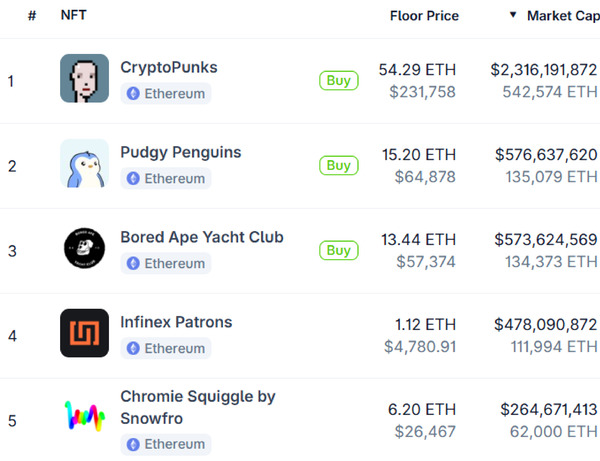
But recently, excitement for NFTs is climbing back up, with collections like CryptoPunks and Moonbirds recording sales and trading spikes.
This comes along with the rise in collectibles’ popularity. Online resale platform eBay, in its Q2 earnings call, reported a 6% revenue bump to $2.7 billion, attributing its success to rising interest in collectibles, such as Pokémon cards.
“Pokémon is hot right now. You can buy a Pokémon card one week, and then two weeks later, it’s worth double. It’s insane,” Netz said.
“That’s a good signal to me that people are starting to kind of explore in collectibles again. When physical collectibles do well, digital collectibles follow.”
The Labubu frenzy has similarly caught the world by storm. These cute and creepy creatures have become collectible fashion accessories, made special with mystery packaging (blind boxes) to entice repeat purchases. One rare Labubu was reportedly sold for $10,500 on eBay.
Digital collectibles are following. Courtyard, a blockchain platform where users can access tokenized physical collectibles, is among the top NFT projects this year. It includes a vending machine feature where users can purchase booster packs, such as Pokémon and sports cards, for random draws and have a chance to hit gold, much like Labubu’s mystery boxes.
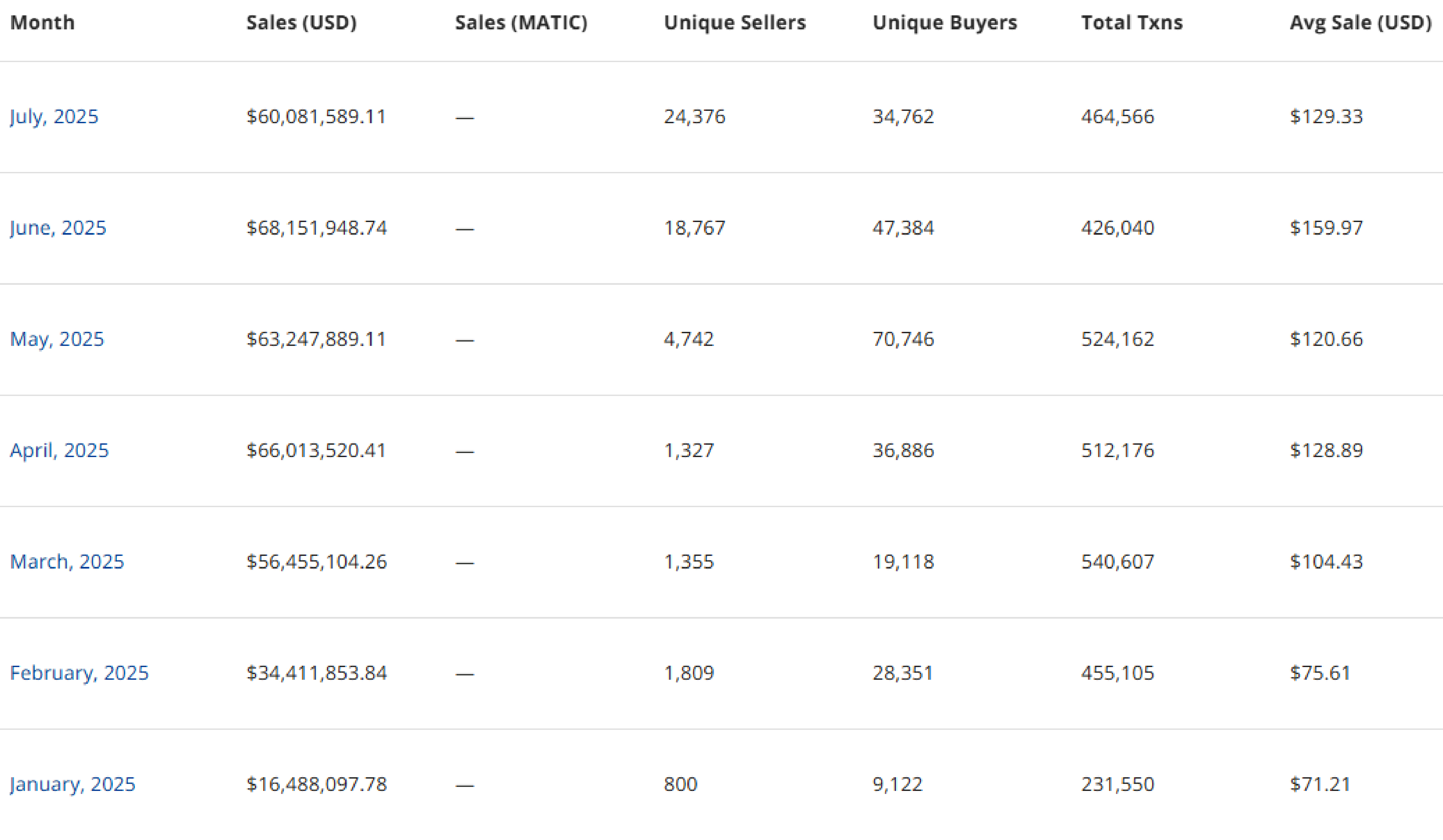
“Out of the last four years, this is the most promising,” Netz said about the NFT market momentum. “My take is, when retail comes in, there’s nothing more fun in crypto than minting and collecting NFTs. I’ll always believe that,” he added.
Pudgy Penguins wants to be crypto’s mascot beyond NFTs
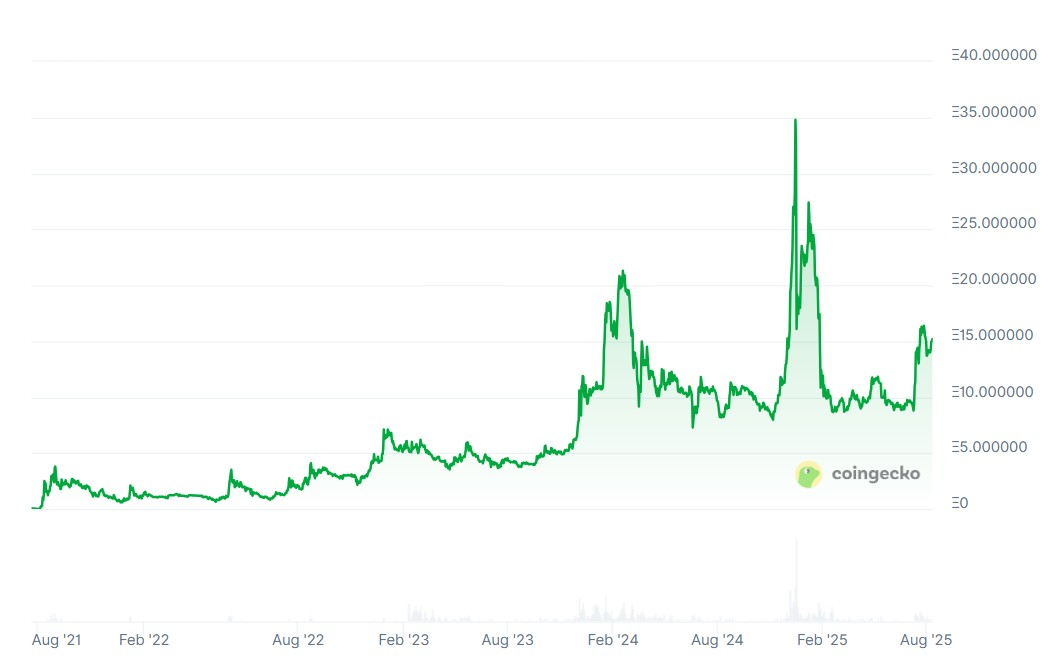
Pudgy Penguins intends to become the mascot for crypto. It launched a Solana-based memecoin, Pengu, in December 2024, distributed via a $1.5-billion airdrop.
Its token cratered in price in the first weeks after launch but has since recovered, backed by momentum from the greater Pudgy Penguins brand, NFTs and even an exchange-traded fund (ETF) application by Canary. Netz sees Pudgy Penguins expanding as a franchise throughout the crypto ecosystem.
“Arches; penguins,” Netz said, drawing inspiration from “The Founder,” a biographical film based on Ray Kroc of McDonald’s, while describing a future with Pudgy Penguins assets in ETFs and treasuries of companies.
The NFT market is still far from its 2021 peak, and past bursts of enthusiasm have faded quickly. Meanwhile, digital collectibles with physical counterparts are rising as one of the few segments showing consistent growth in an otherwise stagnant NFT market.
The Pudgy Penguins toy line and social reach have kept the brand alive where most NFT projects have faded, but the market it grew from is still fragile. For Netz, the bet is that building a cultural brand will outlast the blockchain cycles that nearly killed it.
“That ended up working in our favor because, while everything else was blowing up and projects in crypto were taking their communities for millions, we built the brand the right way when nobody else was doing it,” Netz said.


All Comments