

As blockchain technology continues to evolve, Lukso is emerging as a cornerstone of the new creative economy. Lukso, as the next-generation EVM blockchain based on Casper, aims to bring a profound transformation to the lifestyle industry, reshaping how brands, creators, and users interact with blockchain technology.
From fashion, art, music, entertainment to social media, Lukso's tools and standards are redefining the experience of the creative industry in an ever-digitalizing world.
The following will delve into Lukso's core features, application areas, and its significance and impact on the creative economy. As we gradually unveil the veil of Lukso, you will gain a clearer understanding of how this innovative blockchain project is shaping the future.
Lukso is a next-generation EVM blockchain based on the Casper protocol, aiming to be the cornerstone of the new creative economy. It focuses on the modern lifestyle sector, fundamentally changing how brands, creators, and users interact with blockchain technology. Whether in fashion, art, music, entertainment, or social media, Lukso's tools and standards provide the creative industry with an opportunity to redefine the experience of brands in the digital world.
Lukso's Core Features:
1.Identity: Lukso emphasizes the unique identity of physical items and digital assets. This is particularly crucial in the fields of art and fashion, providing a reliable way to verify the authenticity and traceability of items, addressing the issue of counterfeit goods.
2.Virtualization: Another key feature of Lukso is the ability to virtualize real-world assets and rights in a digital manner. This means that physical assets can exist in a digital form, enhancing their interoperability and liquidity. For example, art and precious collectibles can be traded and transferred in digital form, bringing more flexibility and opportunities to the market.
3.Standardization: Lukso adopts a tokenization approach, promoting interoperability among different creative assets through standardized protocols and smart contracts. This feature facilitates easier interaction and collaboration among creative assets from different industries and platforms, breaking down barriers between traditional industries and creating more opportunities for cross-industry cooperation.
These core features are interwoven, providing a blueprint for building various next-generation applications on the Lukso blockchain. Additionally, Lukso introduces Lukso Standards Proposals (LSP), through which they are providing future-oriented solutions for participants in the blockchain ecosystem. These initiatives address some of the biggest challenges in the current blockchain space, including interoperability, flexibility of smart contracts, and asset standardization.
Lukso and Ethereum are two independent blockchain networks with some similarities but notable differences.
Firstly, Lukso is an independent Layer 1 blockchain network designed to build a diverse metaverse, supporting creativity in fashion, gaming, design, and social media. Its goal is to change the way brands, creators, and users interact in Web3 and engage with blockchain technology in the new creative economy. In contrast, Ethereum is a general-purpose smart contract platform applicable to various industries and applications.
Secondly, Lukso's architecture largely borrows from Ethereum's technology stack, including the use of the Casper PoS consensus engine and the EVM smart contract execution engine. Validators need to stake a certain amount of native tokens to participate in the network's validation process, a similarity with Ethereum.
Thirdly, Lukso's primary focus is on the "creative economy," targeting creators in fashion, art, design, virtual worlds, and more. It emphasizes simplifying the user interface, introducing a comprehensive integrated profile known as the "universal profile" to enhance the user experience. In contrast, Ethereum is a general-purpose smart contract platform applicable to various industries and applications. Its user interface is relatively complex and requires interaction through tools like wallets.
Fourthly, LUKSO introduces 12 Lukso Standards Proposals (LSP), representing core components of the LUKSO ecosystem. These proposals enhance functionality and user-friendliness in the blockchain ecosystem, standardizing identity, asset representation, and smart contract interactions. LSPs are highly scalable, allowing for new use cases and simplifying the developer and user experience. An example is the LSP dApp, enabling anyone to easily mint fungible and non-fungible tokens and send them to others, as shown in the diagram below.
In summary, Lukso and Ethereum are two independent blockchain networks with some similarities. They exhibit notable differences in focus areas, user experience, and standardization, providing distinct solutions for different application scenarios and user groups.
Before the launch of the Lukso mainnet, they plan to develop a tool called the "Genesis Validator Deposit Smart Contract," allowing any user holding LYXe tokens to become a genesis validator. Each validator node requires a stake of 32 LYXe tokens, similar to Ethereum's mechanism, where validators need to hold multiples of 32 LYXe and run the execution client and consensus client. Once the deposit contract is initiated, validators can join in approximately 3 weeks, but this time window may extend, requiring a minimum of 4096 genesis validator nodes to ensure a fully decentralized launch of the Lukso mainnet.
Genesis validators play a crucial role in the Lukso mainnet launch as they are also holders of LYXe. LYXe tokens are initially issued on the Ethereum mainnet, but after the mainnet launch, the project team will release a migration tool allowing the exchange of LYXe tokens on Ethereum into LTX tokens on the Lukso mainnet. Additionally, at the time of mainnet launch, the initial total supply of LYX tokens needs to be determined. Initially proposed in 2019, the expected total supply of LYX was 100 million, but due to market conditions, the passage of time, and other factors, the quantity of LYX may decrease. Currently, the Lukso team provides three different suggestions:
1.The minimum value of 35 million LYX, ensuring the value of the network is decentralized from the start but may limit Lukso's team in using LYX for ecosystem incentive resources.
2.The team-recommended value of 42 million LYX, providing enough funds for the team to support early users of Lukso, fostering long-term ecosystem development. If the network develops as expected, over time, a portion of LYX may be burned in smart contract usage, reducing the total supply.
3.The third option is to maintain the originally proposed 100 million LYX from 2019, but this might be due to a significant increase in the price of LYX and a later mainnet launch, past the period of value discovery. The official suggestion is to reduce the issuance of LYX.
Similar to Ethereum's staking mechanism, early participants in staking may receive higher annualized returns, with the project's official estimate ranging from 3% to 20%. Additionally, Lukso may adopt a Shanghai upgrade mechanism similar to Ethereum, with the mainnet likely launching within a month after the Shanghai upgrade. These measures aim to ensure the smooth and successful launch of the Lukso mainnet.
During the LUKSO token fundraising campaign, Fabian, a seasoned blockchain developer who joined the Ethereum team in 2015 and co-founded the ERC-20 standard alongside Ethereum co-founder Vitalik Buterin, introduced the unique concept of the Reversible ICO (rICO).

The rICO consists of two phases, starting with a 1-month commitment phase followed by an 8-month purchase phase. During the commitment phase, anyone can submit ETH, but the actual purchase does not commence immediately. Participants have the flexibility to exit at any time during this phase. In the purchase phase, buying unfolds gradually, and the price increases progressively with each purchase. Participants can choose to refund a portion or all of their tokens to withdraw the invested ETH at any time. Additionally, they can join and incrementally purchase tokens at any point during the purchase phase.
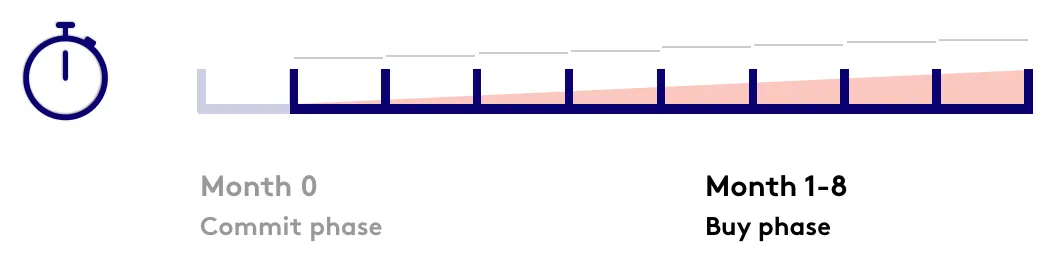
The unique feature of this rICO lies in the ability to refund purchased tokens, reducing investors' risk. Moreover, early participants can acquire tokens at lower prices, encouraging more people to get involved in the project from its early stages. Impressively, in February 2021, LUKSO successfully raised $18 million through this reversible ICO, demonstrating the appeal and success of this concept.
In summary, Lukso is an innovative blockchain project focused on the creative industry, aiming to change how people interact with blockchain. With its distinctive features and the reversible ICO mechanism, it stands out from Ethereum, offering new opportunities for the creative economy. Decisions made before the mainnet launch will have a significant impact on its future development. We will continue to monitor Lukso's progress.


All Comments