


AnNFT ecosystem is a network of interconnected components, including artists, collectors, investors, developers, and technology providers, that support the creation, transfer, and exchange of NFTs. An NFT ecosystem is built on blockchain technology and enables the creation, ownership, and transfer of unique digital assets, such as digital art, music, videos, and more.
In an NFT ecosystem, NFTs represents a unique and valuable digital asset that can be bought, sold, traded, and collected. The value of an NFT is determined by its scarcity, uniqueness, and market demand. The ecosystem provides a platform for artists and creators to monetize their digital assets and for collectors and investors to access and own valuable digital assets.
The NFT ecosystem also includes a range of service providers, including marketplaces, wallet providers, and payment providers, who support the buying, selling, and trading of NFTs. The ecosystem also includes developers who create the infrastructure and applications that make NFTs accessible and usable.
Different NFT Platforms To Develop For Main and Sub-markets of the NFT Ecosystem
To create a successful NFT ecosystem, you need to develop a range of NFT platforms that cater to the different needs of different stakeholders. Some of the key NFT platforms that you may need to develop include:
NFT Creation Platforms
It allows artists, musicians, and other content creators to create, publish, and monetize their digital assets. These platforms should provide tools and resources to help creators create high-quality NFTs and make them accessible to a wide audience.
NFT Marketplaces
It provides a platform for buying, selling, and trading NFTs. These marketplaces should be user-friendly and accessible, and they should provide a range of features and tools to support the buying and selling of NFTs, such as price discovery, trade history, and security features.
NFT Wallets
It provides a secure and convenient way to store and manage NFTs. These wallets should be easy to use, and they should support the transfer and exchange of NFTs between different parties.
NFT Analytics and Insights
It provides valuable information about the NFT market and the behavior of NFT buyers and sellers. These platforms should provide data-driven insights into the NFT market, such as market trends, price movements, and trading activity.
NFT Development Platforms
It provides developers with the tools and resources they need to build and integrate NFTs into their applications and platforms. These platforms should support the development of smart contracts, decentralized applications, and other NFT-based solutions.
NFT Staking platforms
It allows NFT holders to earn rewards for holding onto their NFTs, adding a new layer of value to the ownership of NFTs.
NFT aggregator marketplaces
It aims to bring together various NFT marketplaces, making it easier for users to find and purchase NFTs from different platforms. NFT aggregator marketplace development helps users to search and buy bulk NFTs from various NFT platforms in a single go.
NFT launchpads
It provides a platform for creators and artists to launch their NFTs, reaches a wider audience, and makes it easier for collectors to discover new and exciting NFTs.
NFT Social Network Platforms
It is a social media platform that allows users to connect with other NFT collectors and showcase their NFT collections. Users can create NFTs and enable their followers to buy the NFTs, this can either be one or a series of NFTs for a particular period of time.
Benefits of an NFT Ecosystem
An NFT ecosystem provides a number of benefits and functionalities, including:
- Monetization of Digital Assets: An NFT ecosystem provides a platform for artists, musicians, and other content creators to monetize their digital assets. By creating unique NFTs, creators can generate revenue from the sale of their digital assets and establish a sustainable business model.
- Access to Valuable Digital Assets: An NFT ecosystem provides collectors and investors with access to valuable digital assets, such as digital art, music, and videos. NFTs represents a unique and valuable investment opportunity, and the ecosystem provides a platform for buying, selling, and trading NFTs.
- Increased Transparency and Security: An NFT ecosystem is built on blockchain technology, which provides increased transparency and security. NFTs are stored on a decentralized ledger, and transactions are recorded on the blockchain, providing a tamper-proof record of ownership and transfer.
- Decentralized Ownership: An NFT ecosystem enables decentralized ownership of digital assets. This means that NFT owners have full control over their digital assets, without the need for intermediaries such as banks or other financial institutions.
- Improved User Experience: An NFT ecosystem provides a user-friendly and accessible platform for buying, selling, and trading NFTs. NFT wallets, marketplaces, and other components of the ecosystem should be designed to be user-friendly and accessible, providing a seamless experience for users.
- Increased Innovation: An NFT ecosystem provides a platform for innovation and the development of new NFT-based solutions. The ecosystem enables developers to build new applications and platforms that make NFTs accessible and usable, and it provides a platform for the development of new and exciting use cases for NFTs.
How to Create the Complete NFT Ecosystem?
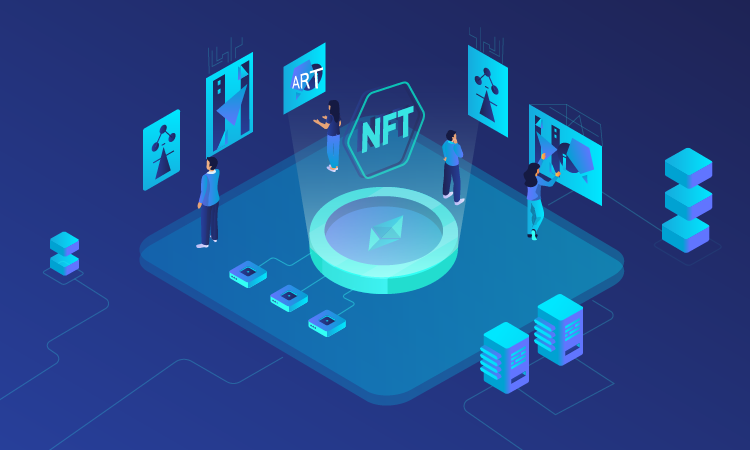
Creating a flourishing NFT ecosystem is a complex and multifaceted process involving bringing together various stakeholders, including artists, collectors, investors, developers, and technology providers. However, with careful planning and execution, it is possible to create a thriving NFT ecosystem that supports the growth and development of the NFT market.
Here are some key steps to create an NFT ecosystem:
Define the Purpose and Value Proposition
Before creating an NFT ecosystem, it’s essential to define the purpose and value proposition of the ecosystem. This includes identifying the target audience, understanding their needs, and defining how NFTs can be used to meet those needs. The value proposition should be clear and compelling, and it should be communicated effectively to all stakeholders.
Build a Strong Community
A strong and engaged community is critical to the success of an NFT ecosystem. Building a community involves reaching out to potential stakeholders, such as artists, collectors, and investors, and encouraging them to participate in the ecosystem. This can be done through events, online forums, and other marketing and outreach efforts.
Develop a Technical Infrastructure
A robust and secure technical infrastructure is necessary to support the creation, transfer, and storage of NFTs. This involves selecting a suitable blockchain platform, developing and integrating smart contracts, and creating a user-friendly interface for buying, selling, and managing NFTs.
Foster Creativity and Innovation
An NFT ecosystem should encourage and support creativity and innovation by providing artists, musicians, and other content creators with the tools and resources they need to create and monetize their digital assets. This includes providing access to NFT creation platforms, art residencies, and other programs that promote creativity and innovation.
Provide Liquidity and Accessibility
An NFT ecosystem should provide liquidity and accessibility for NFTs by creating a vibrant and active market for buying, selling, and trading NFTs. This involves developing and promoting NFT marketplaces, providing educational resources for buyers and sellers, and encouraging the use of NFTs in a variety of applications and industries.
Ensure Legal and Regulatory Compliance
It’s crucial to ensure that an NFT ecosystem complies with all relevant legal and regulatory requirements. This involves working with legal and regulatory experts to understand and comply with the laws and regulations related to NFTs, including intellectual property, tax, and consumer protection laws.
Creating a successful NFT ecosystem requires a combination of technical expertise, community building, creativity, and regulatory compliance. By following these steps, it is possible to build a thriving NFT ecosystem that supports the growth and development of the NFT market.
NFT Ecosystem Layers
The NFT ecosystem has multiple layers that work together to allow the ecosystem to expand and create an impact.
Layer Zero
It is the layer that links different blockchains together and allows for interoperability between them.
Layer One
It is the central blockchain architecture that forms the backbone of the ecosystem, with Ethereum and its extensive ecosystem being a popular choice for NFTs despite its high transaction fees and energy consumption.
Layer Two
Layer Two solutions increase the speed of transactions and storage of data, and subsequent layers such as storage solutions, financialization, verticals, and applications are emerging to add functionality and use cases.
Subsequent Layers
Once the Layer Two blockchains and solutions are established, the NFT ecosystem begins to evolve in different directions with new applications, storage solutions, verticals, financialization, aggregators, and front-end interfaces being added to the system.
Storage level layers are essential for storing assets off-chain. Decentralized storage systems, consisting of peer-to-peer networks, are becoming increasingly popular in the NFT ecosystem to store digital art. Companies like IPFS and Pinata are some of the most popular options in the NFT ecosystem.
The NFT ecosystem is being used in various industries, including gaming, sports, the metaverse, music, media, governance, and utility assets. The gaming industry has already formed a significant economy around NFTs, and the play-to-earn model is growing in popularity. Additionally, finance is making its way into NFTs, and marketplaces and aggregators are being established to help monetize NFTs.
As the NFT ecosystem continues to evolve, it is important to note that there must be interoperability between platforms to allow the ecosystem to expand. Interoperable protocols empower blockchains to interact with each other, making it possible to integrate NFTs into different systems, platforms, and universes. The NFT ecosystem is a constantly evolving space with endless potential and is definitely worth keeping an eye on.
To conclude, the NFT ecosystem is expected to grow even more, with new and innovative applications being developed. The possibilities of NFTs are endless, and as technology evolves, we can expect to see new and exciting developments emerge from the NFT ecosystem.


All Comments