


The Rise and Fall of NFTs
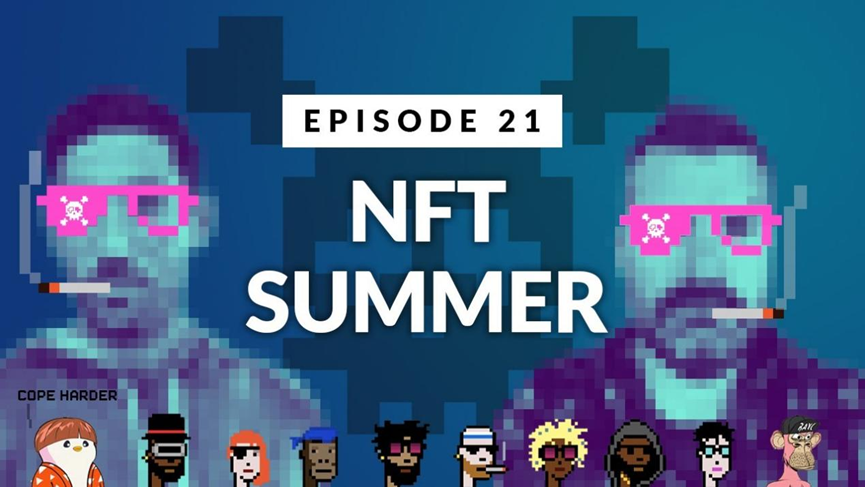
Since 2020, the popularity of NFTs has skyrocketed. From Cryptopunks and BAYC to the emergence of Doodles, Azuki, and Moonbirds, numerous NFT projects have captured people's attention.
At the same time, influential celebrities such as Neymar, Jay Chou, and Eminem have also entered the NFT space, bringing a massive influx of attention and gradually introducing NFTs to the mainstream audience, resulting in their rapid rise in popularity.
The wealth creation myths surrounding NFTs have not only attracted insiders but have also enticed outsiders who wish to have a slice of the pie. Capital sees the syphoning effect of the NFT market and has begun to participate and invest accordingly. Moreover, NFT project teams, fueled by capital influx, have been exploring innovative ways to integrate their projects. They started with avatar NFT projects that created social scenes, catering to the preferences of different investors through various art styles. Then came the introduction of Pass NFTs, offering holders analytical tools or Alpha community benefits. Subsequently, new gameplay mechanics that generate income and value recognition, such as token issuance, IP development, and integration with GameFi, have emerged. With these various enhancements, the NFT market has flourished and entered what is known as the "NFT Summer."
During the past year's "NFT Summer," the total market capitalization of the NFT market once exceeded $38.6 billion. With various players engaged in cyclic gaming, NFTs rightfully became the killer application of 2021.
However, as we entered 2022, signs of market decline began to surface, and NFTs were no exception. In June 2022, the search popularity of NFTs on Google Trends plummeted to 20, an 80% drop from its peak of 100 in January. This downward trend was also reflected in the market.
The bear market eroded the collection value of NFTs, depleting their liquidity. Today, many once highly sought-after NFTs have experienced declines of over 90%.
In fact, since the birth of NFTs, they have been criticized for their poor liquidity and limited use cases. As blockchain technology has evolved, interconnectedness within the entire ecosystem has gradually become the mainstream trend. In this context, NFTs undoubtedly need to explore new narratives. Today, we will introduce a NFT project called CATASTROPHY, which attempts to break new ground by using DID (Decentralized Identifiers) as a narrative breakthrough.
CATASTROPHY: The Cross-chain Journey of DID and NFT
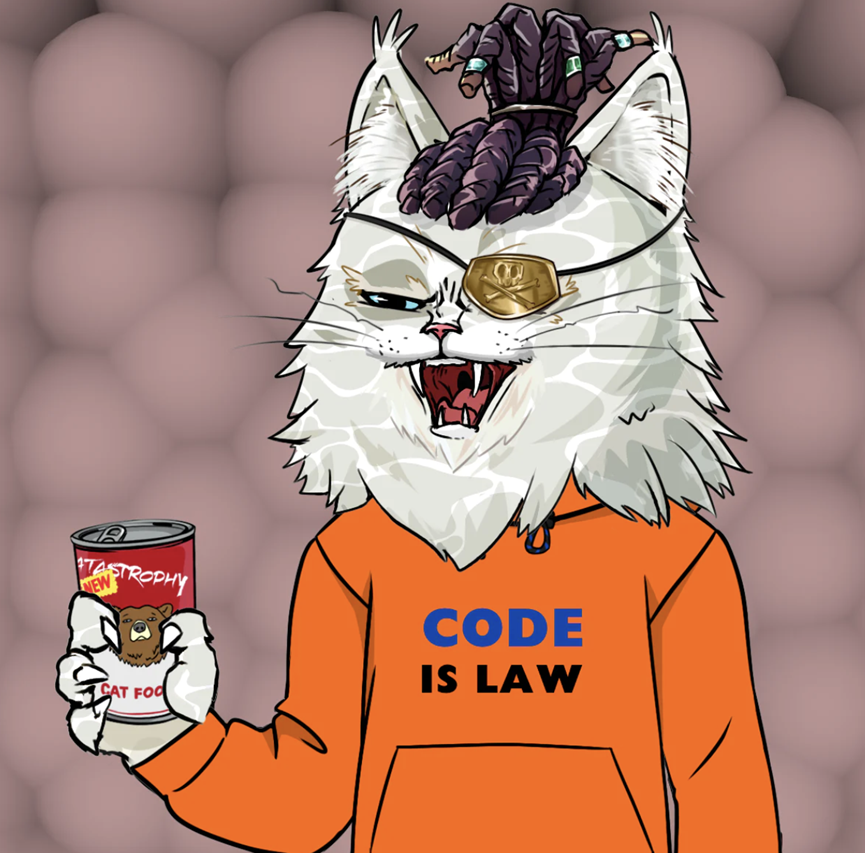
In my understanding, CATASTROPHY is a combination of PFP (Profile Picture) and Pass cards. By using PFP NFTs as decentralized identifiers (DID), CATASTROPHY enables NFTs to function as cross-chain and cross-application membership tokens, referred to as MultiPass by the project team. It aims to provide WEB3 BUIDLers (builders) with easy access to advanced memberships of multiple tools required for product development and management. This not only enhances product iteration efficiency but also significantly reduces production costs.
In communications with the project team, they have expressed their desire for CATASTROPHY to not become a financial product focused solely on collecting and appreciating value, as traditional NFTs often are. Instead, they envision CATASTROPHY having a certain level of liquidity.
When WEB3 BUIDLers need access to development resources, they can acquire or lease CATASTROPHY NFTs in the secondary market to obtain the necessary resources, improve development efficiency, and reduce costs. After completing the development process, BUIDLers can then list the CATASTROPHY NFTs for sale in the secondary market, allowing them to circulate to those who need them more.
Through this cycle, CATASTROPHY actively contributes to the construction of the Web3 ecosystem in various aspects while giving NFTs more practical use cases.
The CATASTROPHY NFT series initially released 3,360 NFTs with a WEB3 BUIDLer theme in November 2022. The price for these NFTs was set as "Free Mint," with the team retaining 360 of them. The main character is an adorable cat with a distinct personality. They wear T-shirts and hats with slogans like "CODE IS LAW," "DMOR (Do My Own Research)," and "BUIDLER Never Rug," and carry various "lethal" weapons. This design pays tribute to the nonconformist spirit and challenges existing structures.
Project progress

According to reports, since November, the CATASTROPHY team has formed partnerships with several platforms and tools for the implementation of MultiPass. These collaborations include MAP Protocol, which is a fully decentralized infrastructure based on lightweight nodes (Light Client) and zero-knowledge proofs (ZK), QUESTFLOW, a cross-channel Go-To-Market platform, MintKitAI, specializing in whitelist management, identification of high-value users, and prevention of bot and witch attacks, as well as Particle Network, a Web3 development platform.
CATASTROPHY's CEO, Ding Mingming, explained, "When a BUIDLer wallet holds an ERC-721 Catastrophy NFT, they can directly connect their wallet to access the advanced membership benefits of these platforms and tools. For example, users holding CATASTROPHY NFTs can enjoy gas fee reductions for cross-chain applications through the cost-effective cross-chain technology provided by MAP Protocol. Additionally, QUESTFLOW offers fee waivers for NFT holders."
"Our partner platforms and tools can directly verify authentication and reconcile based on publicly available on-chain data through the NFT Gate and the cross-chain protocol provided by MAP Protocol. This seamless process is made possible by the high efficiency brought by the trust and transparency of WEB3 and on-chain data, breaking down data silos and completely disrupting the operational models of traditional rights and membership products."
Ding Mingming, who was a founding team member of several successful WEB2 projects, is a believer in crypto culture and has contributed to the engineering community. Prior to the CATASTROPHY project, she was a partner at the Digital Creative Agency oookini, responsible for digital and technology-related businesses.
Conclusion
In my opinion, CATASTROPHY is an intriguing project that targets the relatively niche group of WEB3 BUIDLers, offering a unique approach.
As stated by the CATASTROPHY team, traditional NFTs have been heavily driven by speculation, lacking substantial use cases, which is also why it's challenging to establish a stable pricing mechanism for NFTs. While this approach creates many myths and hype, its long-term sustainability is questionable.
Web3, to some extent, mirrors the real world in that the development of things often requires a transition from the virtual to the tangible. CATASTROPHY has undoubtedly made an interesting attempt in this regard.
The article discusses the rise and fall of NFTs, the challenges they face, and introduces CATASTROPHY as an NFT project bridging Web3 builders and tools using DID.


All Comments