

Cointime

Download App
iOS & Android

Is Zora turning Ethereum L2 Base into a Solana killer?

Base is testing Solana’s dominance in token launches, with a recent burst of SocialFi activity pushing the Ethereum layer-2 network to the top of the industry’s leaderboard.

In recent years, Solana has been the go-to chain for new tokens. Its low fees and high throughput are drawing traders away from Ethereum. It’s become a hub for memecoins, with launchpads like Pump.fun spawning tens of thousands of tokens daily.

The surge on Coinbase’s Base is coming from a different kind of token economy, built on social media posts, viral moments and a new wave of creator tools. Coinbase recently introduced the Base App by rebranding its wallet, sparking a surge in SocialFi activity on applications like Zora.

Token launches have tilted to Base in recent weeks, but Solana still leads in key activity metrics, according to Nansen data. And even as Zora is onboarding crypto’s biggest names to Base, critics question whether the thousands of new tokens have monetary value or if they’ll fade away as just another blockchain fad.
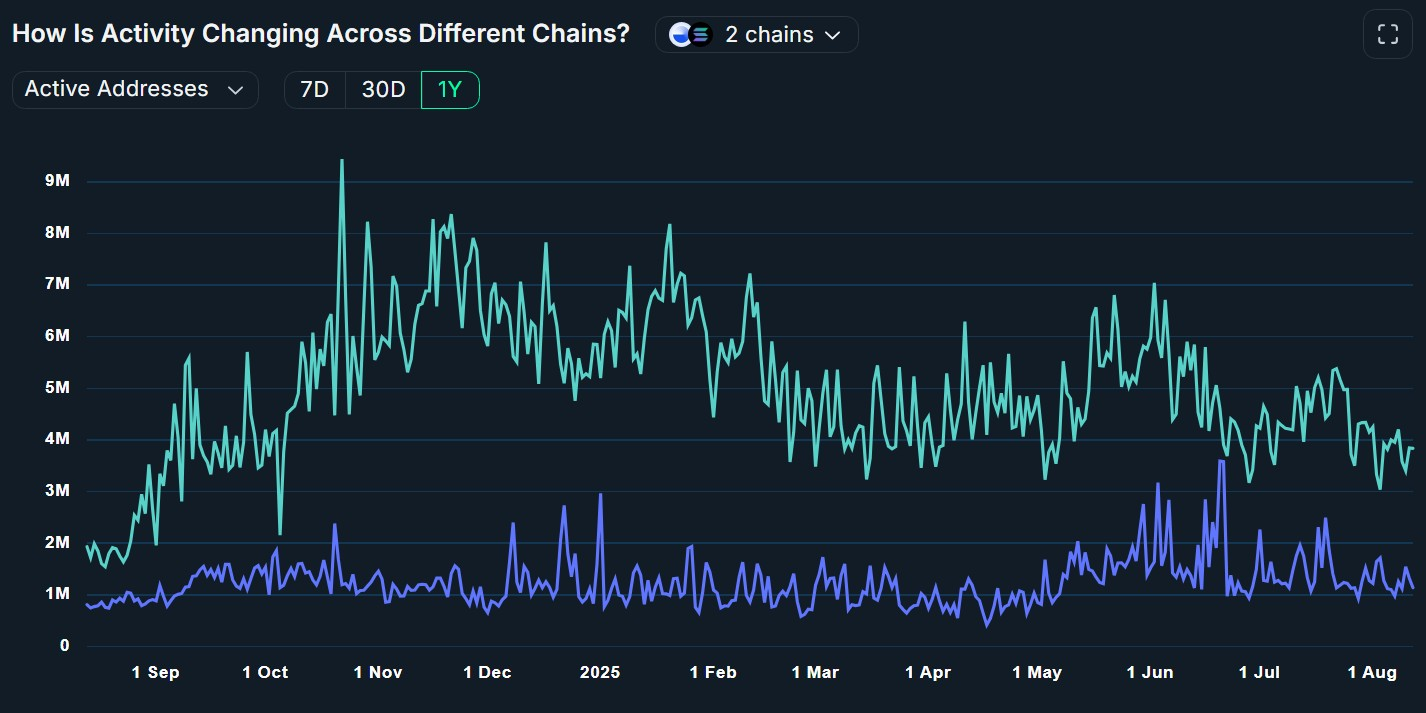
  Zora is going viral, but Solana’s activity still outpaces Base. Source: Nansen


Base App’s rebrand sparks new Ethereum L2 SocialFi wave

Coinbase’s July 16 rebrand to the Base App turned its wallet into a creators’ hub where users can post, mint and trade their posts through the integration of social tools like Zora and Farcaster.

The impact was immediate. On July 16, Base recorded 7,557 new token launches. The next day, that number roughly tripled to 22,098.
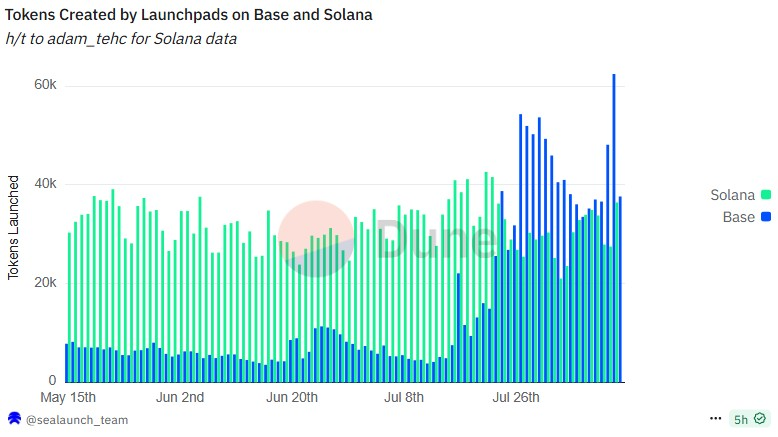
  Base token launches surge immediately after Coinbase’s app rebrand. Source: Dune Analytics


On July 17, Zora beat Pump.fun in token launches to place second in the industry, at a time when Solana launchpad LetsBonk was eating into Pump.fun’s market dominance. Zora then overtook LetsBonk to claim the top spot on July 23. The next day, Zora’s 38,254 token launches surpassed the combined total of Solana’s rival memecoin platforms, which recorded 29,012 tokens.
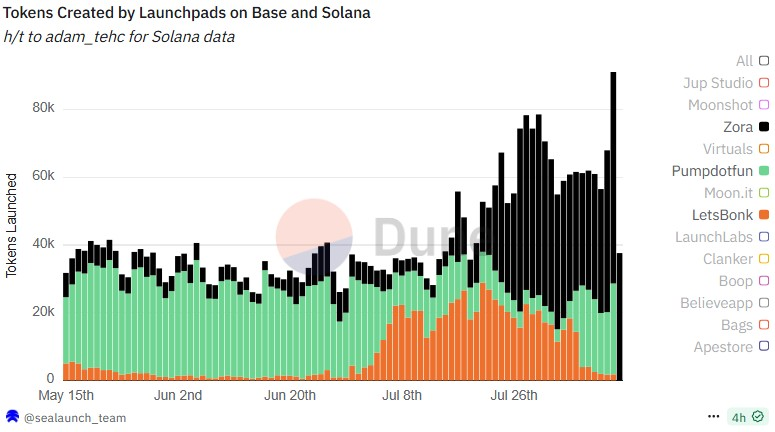
  LetsBonk and Pump.fun trade hits as Zora rises to the top of token launches. Source: Dune Analytics


But not everyone is convinced that the thousands of new Zora tokens hold any value. “Most users have unknowingly entered into a market with an often overlooked flaw: There’s usually no liquidity to ever sell the token, trapping both creators and their fans in a worthless token,” Brian Huang, co-founder of Glider, told Cointelegraph.
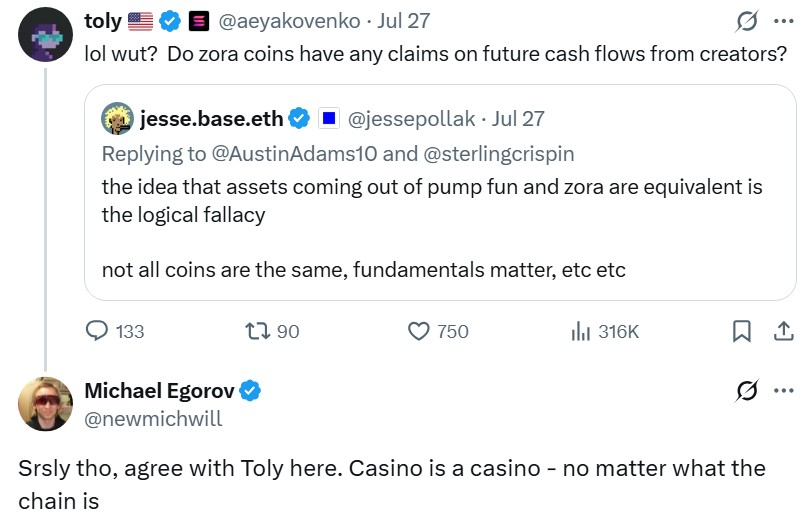
  Base creator Jesse Pollak argues Zora tokens are different from Pump.fun memecoins as crypto founders push back. Source: Yakovenko/Egorov


Alexander Cutler, CEO of Aerodrome — a decentralized exchange on Base — publicly defended Zora. He argued that heavy Instagram users are drawn to Zora, as they get rewarded for their usual activities.

“I’ve onboarded more normies to it than anything in crypto and they’re enjoying it. The speculators are just making the markets,” Cutler said on X.

Solana still outpaces Base despite the Ethereum L2’s surge

Like other social media platforms, simply posting on Zora doesn’t guarantee an audience. It takes time, dedication and consistency to grow a following. Just because a user’s post is tokenized doesn’t mean it has liquidity or value.

Cointelegraph’s test post on Zora fails to attract any liquidity or investors.


“Counting the number of tokens created is a worthless metric. It’s the value of these tokens in aggregate that’s important,” Huang said.

“As you can imagine, in a world where social media is generally considered free, 99.99% of these content tokens will be similarly worthless.”

Zora tokens’ value has been a popular punching bag for critics, but Solana tokens have followed a similar path. As Cointelegraph previously reported, almost 99% of tokens launched on Pump.fun don’t gain enough attention and liquidity. They, too, are ultimately worthless.

On rare occasions, Solana memecoins become tradable and even surge to millions in market capitalization. Celebrity endorsements and backing by political leaders have also helped memecoins break out, though a lot of them have been plagued with scam allegations.

Solana remains ahead by almost every broader activity metric. Its ecosystem benefits from established liquidity pools, mature decentralized finance (DeFi) protocols and a developer community accustomed to shipping at speed.
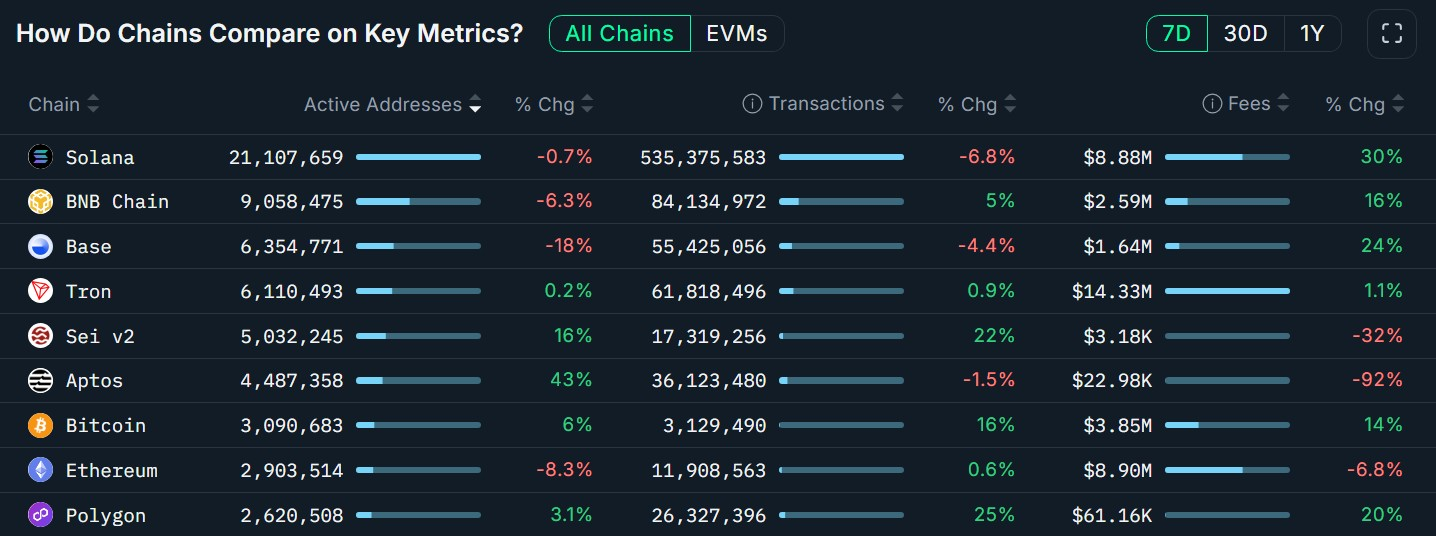
  Solana leads the crypto industry in activities, but Ethereum and Tron topped fees in the past week. Source: Nansen


While Base’s throughput typically falls short of Solana’s, it did demonstrate its competitive potential by reaching a peak of 959 transactions per second (TPS) during a high-volume token launch. But Solana is in the process of adopting Firedancer — currently via the hybrid Frankendancer on about 10% of validators — to boost performance and throughput, with internal tests already demonstrating up to 1 million TPS.
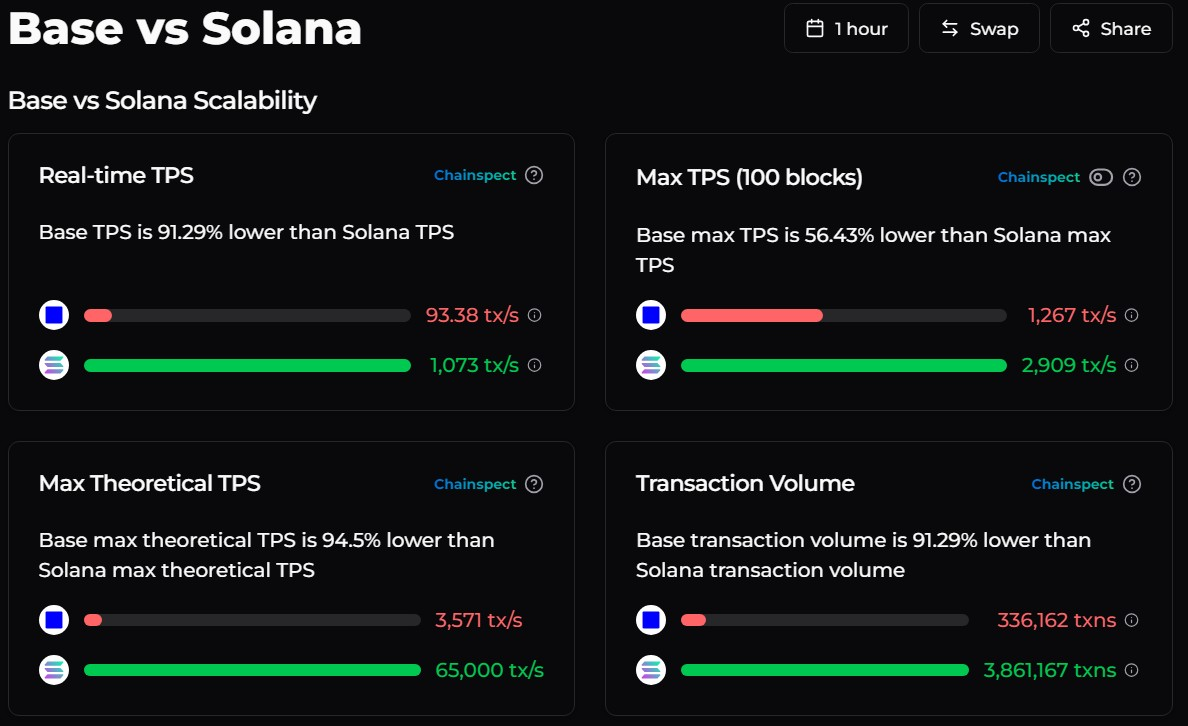
  Solana is still far ahead of Base in efficiency. Source: Chainspect


Even the “Solana guy” is talking about Base’s Zora nowadays

Base’s SocialFi-fueled token launch surge shows how quickly onchain momentum can shift, especially when a platform finds a cultural hook. Zora has given Base a distinct niche rooted in content creation. For now, that novelty is driving user engagement.
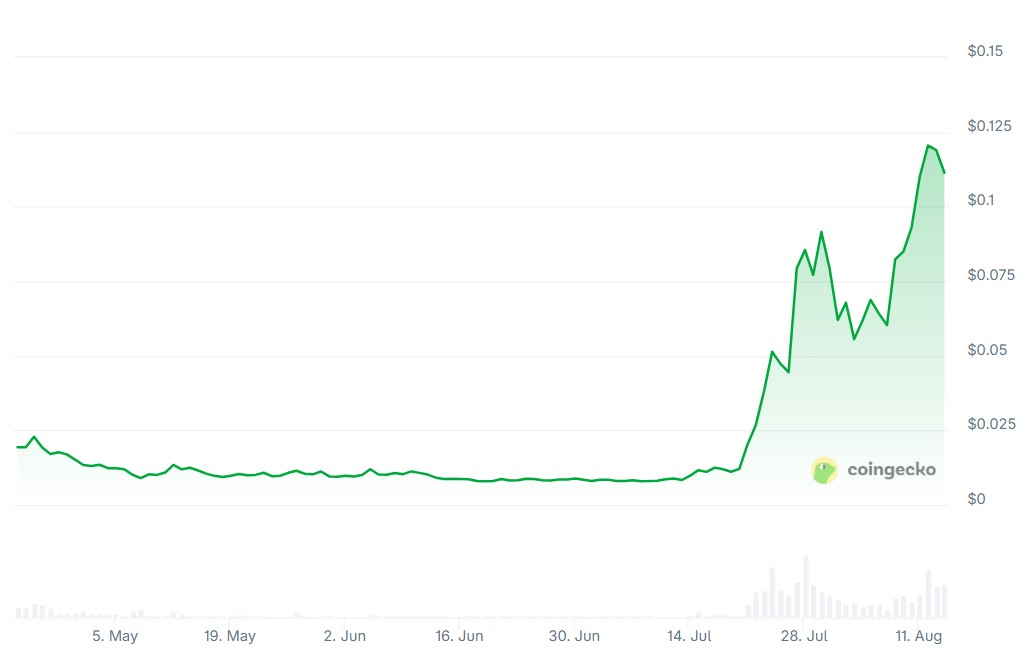
  Zora has been one of this summer’s breakout stars in crypto. Source: CoinGecko


But the underlying economics remain young and fragile. Most of the new tokens on Zora have little to no liquidity, echoing the same pattern that has defined Solana’s memecoin boom. 

“Why not just let fans tip creators directly? Seems like a much more straightforward and well-understood solution. Instead, we have this convoluted process, which seems like a way to boost vanity metrics on Base without creating long-term value,” said Huang. 

Despite the critics, Zora continues to pique the curiosity of crypto’s most well-known names. One of them is Zion Thomas (better known as Ansem), a key influencer and investor in the memecoin space, who was even given the nickname “Solana guy.”
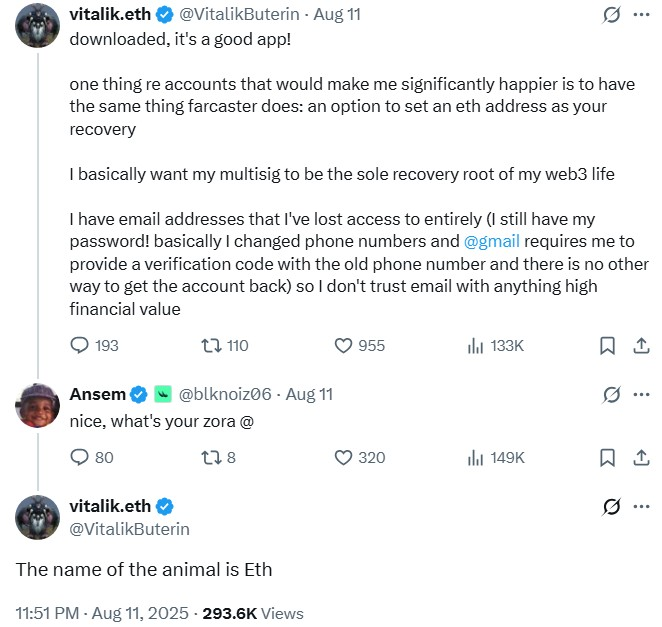
  Zora is starting to attract crypto’s most influential to its platform. Source: Vitalik Buterin/Ansem


Solana’s edge comes from more than speed and low costs. Years of ecosystem building have given it mature liquidity pools and developed DeFi protocols. That depth makes it harder for newcomers to displace, even when they post headline-grabbing spikes in activity.

Even if Base can replicate its current growth bursts, matching Solana’s depth of activity will require more than social-driven tokenization. The real test will be whether it can turn viral moments into sustained ecosystems with real liquidity, sticky users and applications that hold attention after the novelty fades. Without that, the current surge risks going down as another short-lived chapter in crypto’s constant churn of onchain fads.
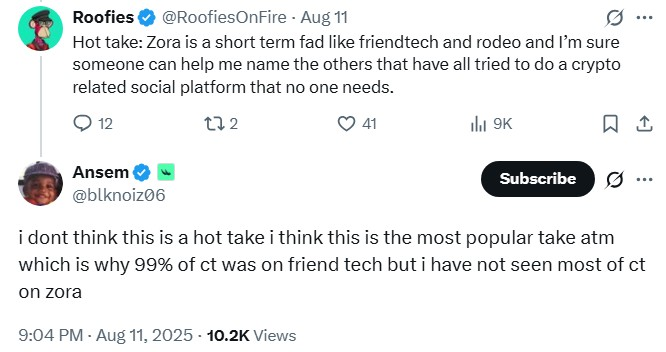
  Zora draws comparisons to the once-viral Base social media platform Friend.tech. Source: Roofies/Ansem


Comments

All Comments

Recommended for you

  • BTC Surpasses $78,000

    Market data shows that BTC has surpassed $78,000, currently priced at $78,042.78, with a 24-hour increase of 0.69%. The market is experiencing significant volatility, so please ensure proper risk management.

  • Trump: Does Not Believe Shooting Incident is Related to Iran Conflict

    On April 26, U.S. President Trump stated (when asked if the shooting incident was related to the Iran conflict) that he does not believe so. (Jinshi)

  • Latest Progress on DeFi United Ecological Rescue Initiative: Over 100,000 ETH Raised at Designated Donation Address

    On April 26, the DeFi United ecological rescue initiative, led by Aave, continues to advance. The Arbitrum DAO has released 30,765 ETH that was frozen after the rsETH incident on April 18. Currently, the designated donation address has raised a total of 100,360 ETH to address the collateral asset gap caused by the rsETH incident. The plan aims to restore the backing assets of rsETH through multi-party collaboration, stabilize the market, and prevent the spread of bad debts across protocols. The funds will be used to support the restoration of collateral rates and to gradually normalize the market in conjunction with relevant protocols. Key contributors or participants currently include: Arbitrum DAO releasing 30,765 ETH frozen after the rsETH incident, Mantle proposing to contribute 30,000 ETH, Aave DAO proposing to contribute 25,000 ETH, Aave founder Stani Kulechov confirming a contribution of 5,000 ETH, EtherFi proposing to provide 5,000 ETH, Lido proposing to provide 2,500 stETH, and the Golem Foundation and related projects contributing a total of 1,000 ETH, among others. Additionally, LayerZero, Ethena, Frax Finance, and Ink Foundation have also confirmed their participation, although the specific amounts have not yet been disclosed. It is important to note that the progress of this rescue initiative still relies on several external key conditions, including KelpDAO's restoration of rsETH redemptions and the Arbitrum Security Council's release of frozen assets, resulting in uncertainty regarding the overall recovery time and effectiveness.

  • Trump Evacuated from White House Correspondents' Dinner Due to Security Incident

    On April 26, local time April 25, U.S. President Trump was urgently evacuated from the White House Correspondents' Dinner due to a security incident. (CCTV News)

  • Shooting Incident at White House Correspondents' Dinner; Gunman Dead

    On April 26, local time on April 25, a shooting incident occurred in the hall of the White House Correspondents' Dinner, and the gunman is now deceased. (CCTV News)

  • Trump States He Will Not Allow Banks to Undermine Cryptocurrency Market Legislation

    On April 26, CoinDesk reported, citing attendees at a Trump cryptocurrency event, that Trump stated he would not allow banks to undermine cryptocurrency market legislation.

  • Iranian Officials to Depart Pakistan Without Meeting U.S. Representatives

    On April 25, according to a reporter from the New York Post: The Iranian delegation is set to leave Islamabad, the capital of Pakistan, and has consistently emphasized that they did not meet with U.S. officials during their brief visit.

  • Foreign Media: Second Round of Iran-U.S. Talks Scheduled for April 27

    On April 25, according to New Delhi Television: The second round of talks between Iran and the United States is scheduled to take place on April 27.

  • Iranian Lawmaker: Comprehensive Plan for Managing the Strait of Hormuz Formed

    On April 25, according to a report by Iran's Mehr News Agency, Iranian Islamic Parliament member Behnam Saidi stated that Iran has developed a comprehensive plan for managing the Strait of Hormuz. In an interview with Mehr News Agency, Saidi mentioned that an important aspect of this plan is the exclusive recognition of the name 'Persian Gulf' in all correspondence and commercial documents, rejecting any other names. Vessels and ships navigating in the region must obtain permission from Iran. Sovereignty over the Strait of Hormuz will be entirely under Iran's control. He also stated that vessels identified as hostile by the Supreme National Security Council or the General Staff of the Armed Forces of Iran are not allowed to pass through the Strait of Hormuz, and Israeli vessels are absolutely prohibited from entering the area. Ships passing through the region must pay relevant fees concerning safety, environmental protection, shipping management, and licensing, with priority given to payments in rials.

  • DeepSeek Plans to Raise $1.8 Billion with a Valuation of Approximately $20 Billion

    Sources reveal that the main reason for DeepSeek's current fundraising effort is the significant recent talent loss. Several core researchers have left the company to join ByteDance, Tencent, Xiaomi, and autonomous driving company Yuanrong Qihang. Meanwhile, competitors Zhiyu Technology and MiniMax have listed on the Hong Kong Stock Exchange, and the company Dark Side of the Moon has completed three rounds of financing in the first three months of this year, with a valuation more than quadrupling since the end of last year.
