

According to monitoring by Dongcha Beating, The Information reported on April 19 that there are at least 10 Chinese companies designing and shipping AI chips, with Huawei being the most well-known among them. Other companies include Cambricon, Hygon, Moore Threads, Muxi, Tianxu Zhixin (Iluvatar CoreX), Biren, Pingtouge, and Kunlun Core, with more than half already listed and Pingtouge and Kunlun Core preparing for IPOs. Customers have expanded from early state-owned enterprises to major firms like Alibaba, ByteDance, and Tencent, which have sent their engineers to assist in modifying chip software, providing design companies with more stable revenue and feedback closer to real business needs. Bernstein estimates that by 2025, Nvidia and Huawei will each hold about 40% of the AI chip market in China, while Nvidia's share may fall to around 8% this year. Revenue for local AI chip companies is expected to increase from approximately $2 billion in 2023 to about $82 billion by 2028. These companies do not intend to directly compete with Nvidia in training chips but are focusing on inference. Although single-card performance still lags behind, they compensate by using larger chip clusters and networking technology to handle millions of inference requests stably and cost-effectively. The two bottlenecks are production capacity and software. Cambricon and Hygon secured domestic foundry capacity early on, while later entrants are still catching up. Tianxu Zhixin is currently using TSMC's latest process, and Baidu's Kunlun Core previously used Samsung, but both processes involve U.S. technology, and export controls will limit the performance ceiling of chips for China, prompting Kunlun Core to negotiate with domestic foundries for order transfers. In terms of software, Cambricon and Tianxu Zhixin prioritize compatibility with CUDA-written code to minimize changes for developers. Alibaba's Pingtouge and Baidu's Kunlun Core are taking a different approach by optimizing hardware, compilers, and software together; since early 2025, both have been using self-developed chips to train some of their own models. Huawei's Ascend 950PR, launched this year, offers multiple versions tailored to inference workloads, and DeepSeek has directly collaborated with Huawei to ensure new models can run on Ascend hardware on the day they go live. The supply chain is also keeping pace. After the U.S. cuts off high-end HBM supplies to China in 2024, Huawei and Tianxu Zhixin are testing domestically produced HBM3 to pair with their AI processors. Most leading Chinese chips have caught up with or surpassed Nvidia's H20, which was modified specifically for the Chinese market, while Tianxu Zhixin and Biren are developing next-generation products to compete with the H200, the strongest model currently allowed for Nvidia to sell to China.
Welcome Back
Click “Sign in” to agree to Cointime’s Terms of Service and acknowledge that Cointime’s Privacy Policy applies to you.
Join CoinTime
Already have an account?
Click “page.Sign up” to agree to Cointime’s <a class="underline" href="#term-of-service">Terms of Service</a> and acknowledge that Cointime’s a class="underline" href="#privacy-policy">Privacy Policy</a> applies to you.
Sign in with email
Sign up with email
Your email
Check your inbox
Click the link we sent to to sign in.
Click the link we sent to to sign up.
At Least 10 AI Chip Companies in China Have Shipped Products; Nvidia's Market Share in China May Drop from 40% to 8% This Year
-
Wechat scan to share
Recommended for you
-
Strategy takes Bitcoin buying breather ahead of Q1 earnings report
Michael Saylor signaled a “pause” on BTC buying ahead of Tuesday’s earnings report, with Wall Street expecting a loss for Q1.
-
Bitcoin climbs past $80K for the first time since January
Bitcoin soared as the MSCI AC Asia Index rose to a new high on Monday, an early indicator that investors viewed the weekend developments in a reasonably positive light.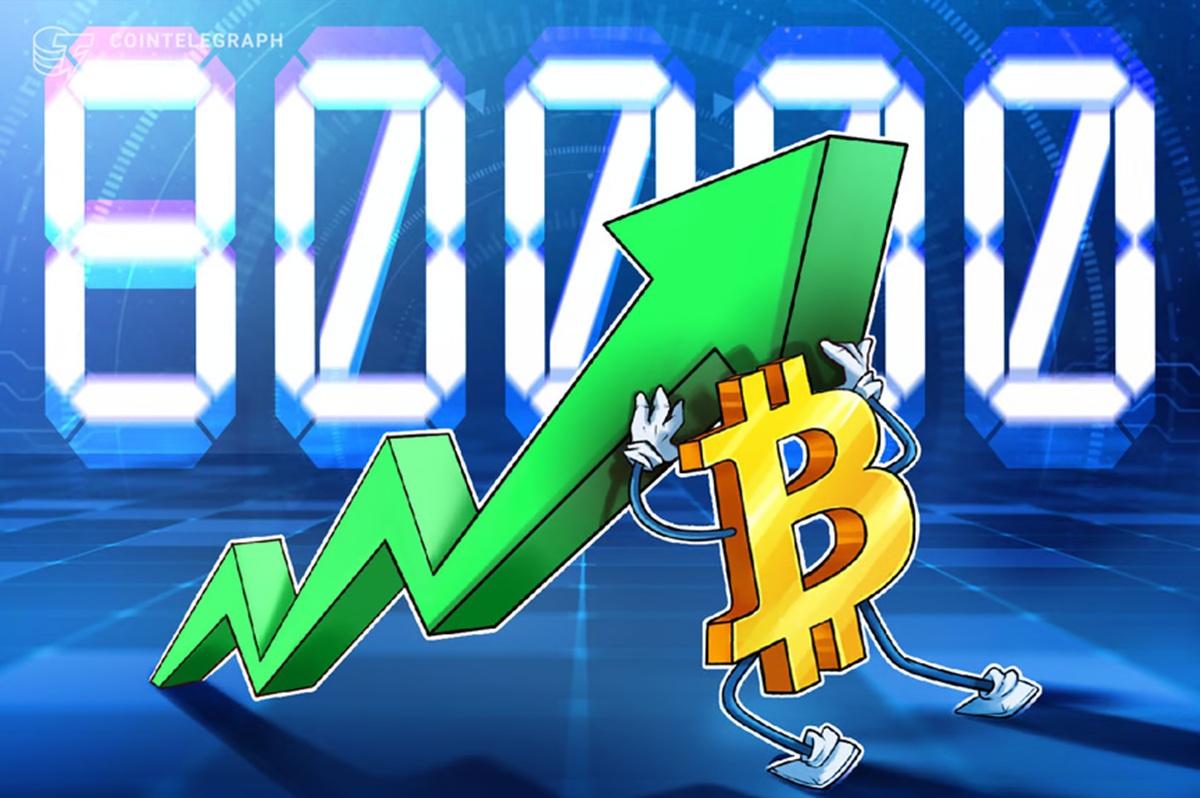
-
US law firm attempts to block transfer of frozen ETH from Kelp exploit
Gerstein Harrow has filed similar cases in the past, arguing its clients have a claim to funds stolen by the DPRK and frozen by crypto firms.
-
AurumX ·
Dual Licenses Backed, Top-Tier Listings: How AurumX Defines a New Paradigm of Compliant Web3 Finance
Dual Licenses Backed, Top-Tier Listings: How AurumX Defines a New Paradigm of Compliant Web3 Finance -
Agentic Finance and Investment
Every asset — a building, a mine, a farm — can now have its own intelligent agent. Capital no longer waits on human approval. Judgement is being digitised. This is Agentic Finance.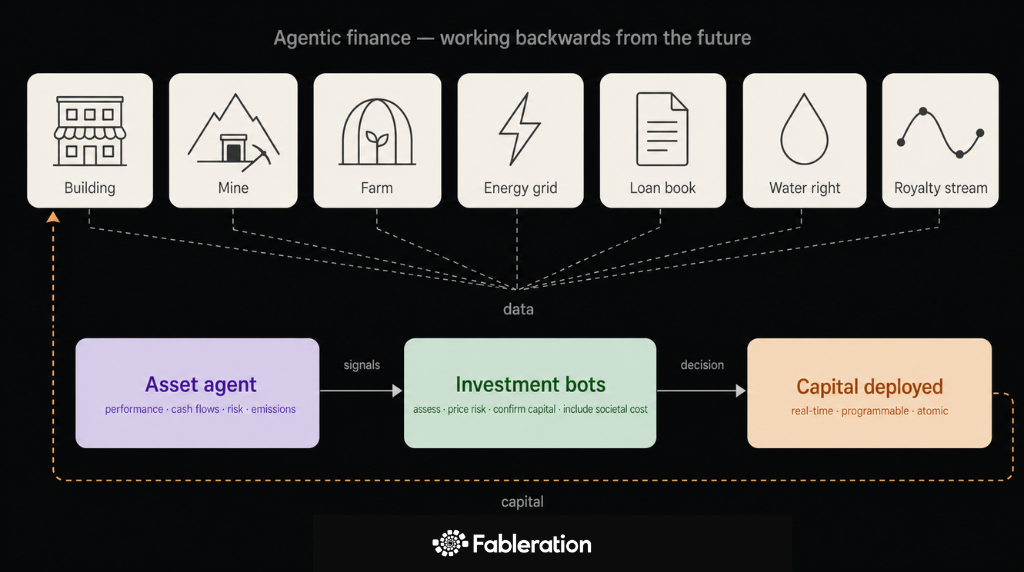
-
-
BTC Surpasses $80,000
Market data shows that BTC has surpassed $80,000, currently priced at $80,071.38, with a 24-hour increase of 2.32%. The market is experiencing significant volatility, so please ensure proper risk management. -
-
BTC Surpasses $79,000
Market data shows that BTC has surpassed $79,000, currently priced at $79,010.22, with a 24-hour increase of 0.98%. The market is experiencing significant volatility, so please ensure proper risk management. -
Iran's Foreign Ministry: The U.S. Responds to Iran's '14-Point Proposal'
On May 4, local time on May 3, Iranian Foreign Ministry spokesman Baghaei stated that the U.S. has responded to Iran's '14-point proposal' through Pakistan, and Iran is currently reviewing this response. Baghaei pointed out that Iran proposed to reach an understanding on a complete cessation of hostilities within 30 days and to agree on its implementation, focusing on ending conflicts on all fronts, including Lebanon. Baghaei also mentioned that 'at this stage, there are no nuclear negotiations between the U.S. and Iran.' (Dongxin News Agency)
Daily Must-Read
-
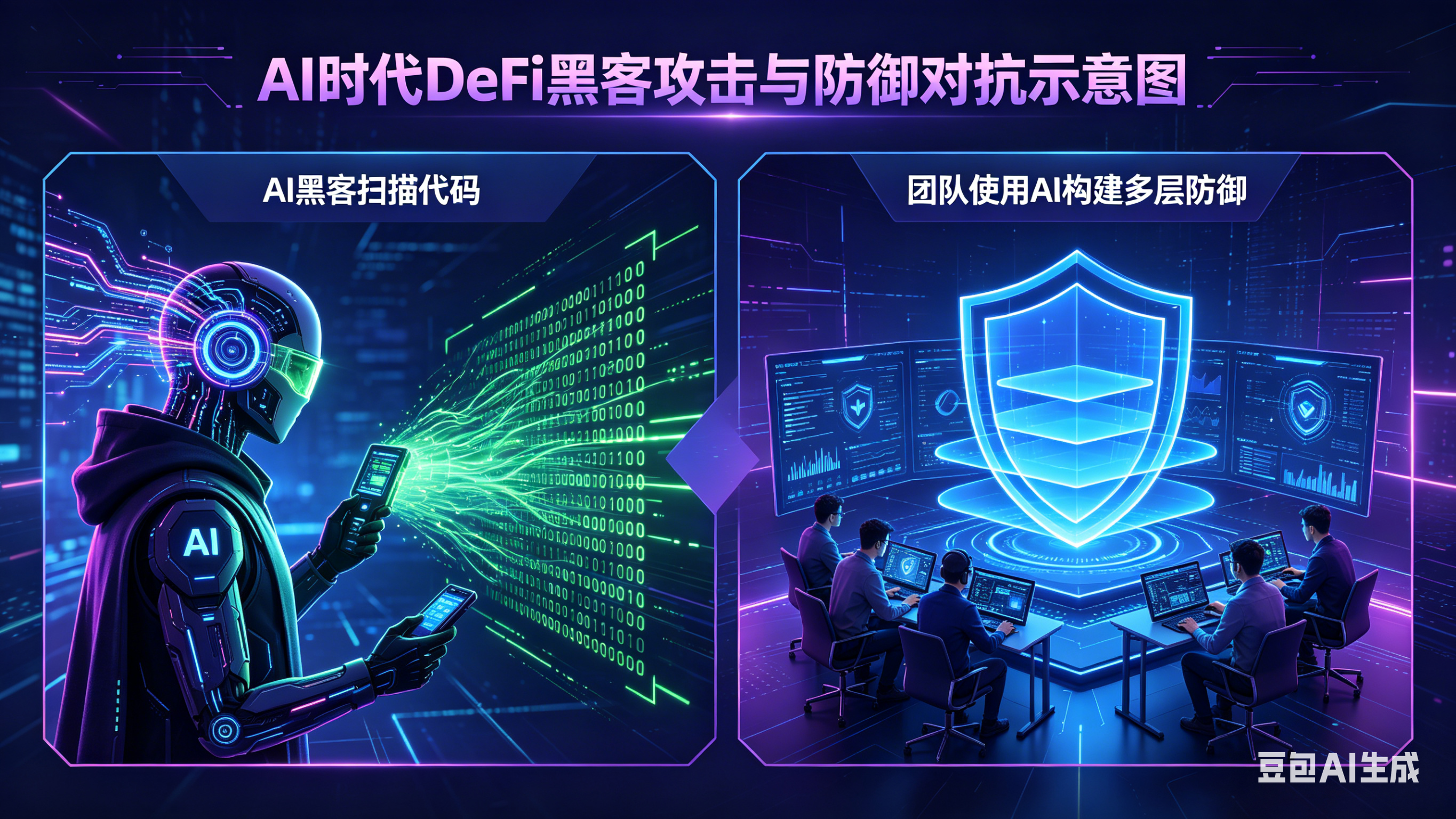
DeFi Security Guide: How to Build a Strong Defense against Hacker Attacks in the Age of AI?
-
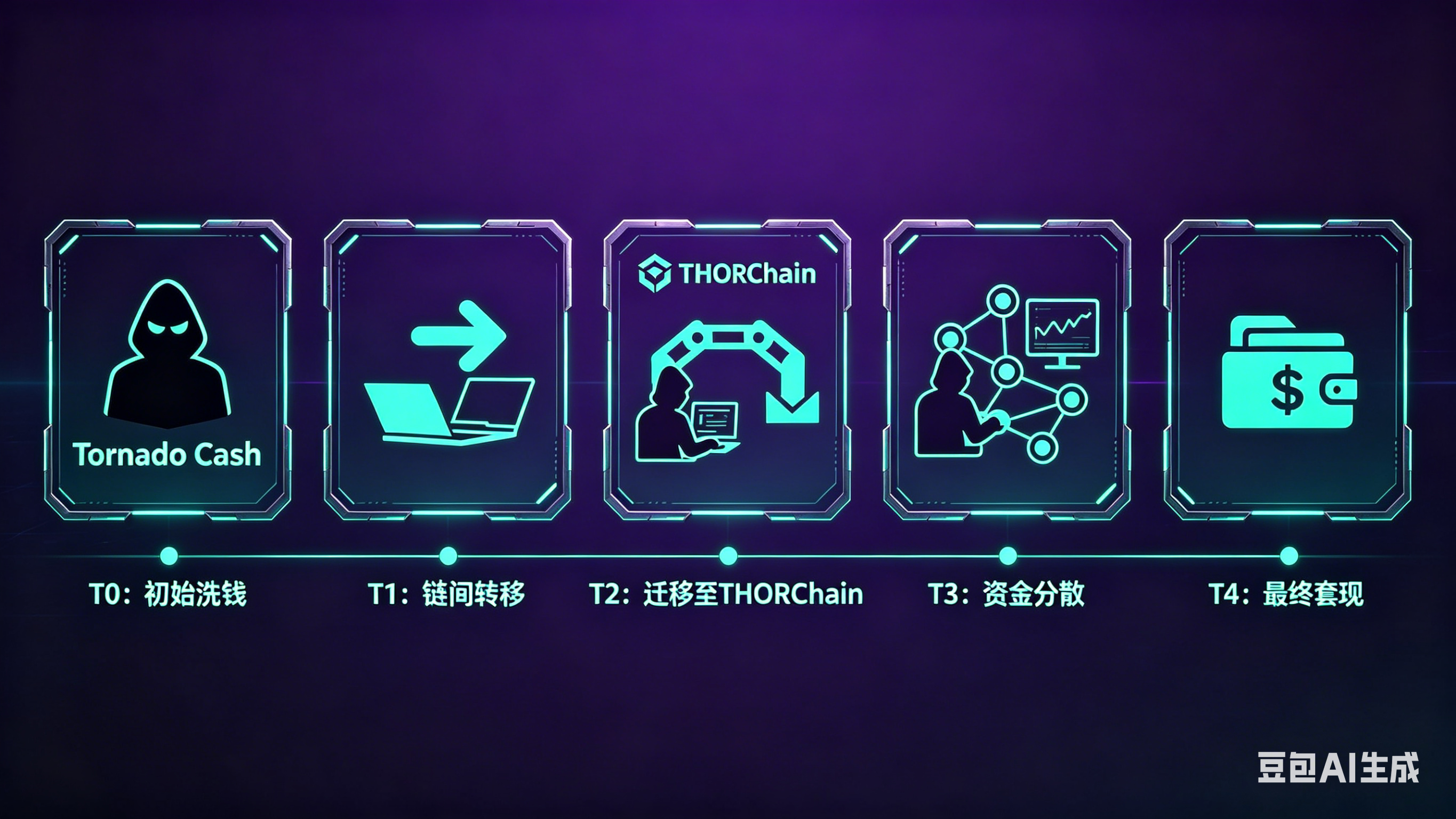
From Tornado Cash to THORChain: The Great Migration of Hacker Money Laundering Routes, with Cross-Chain Behemoths Becoming the Ultimate Money Laundering Hubs
-
Bitwise analysis: STRC has become the core driver of BTC's rise. How long can this momentum last?
-
a16z assessment: Stablecoins have become the underlying infrastructure of global finance.
-
OG Agent: As Trading Enters the AI Era, How Can Individual Investors Regain Their Competitive Edge
-
SEC Chairman Atkins' Inaugural Anniversary Speech: Leading with the ACT Strategy, Reshaping the New Ecosystem of U.S. Financial Regulation


All Comments