

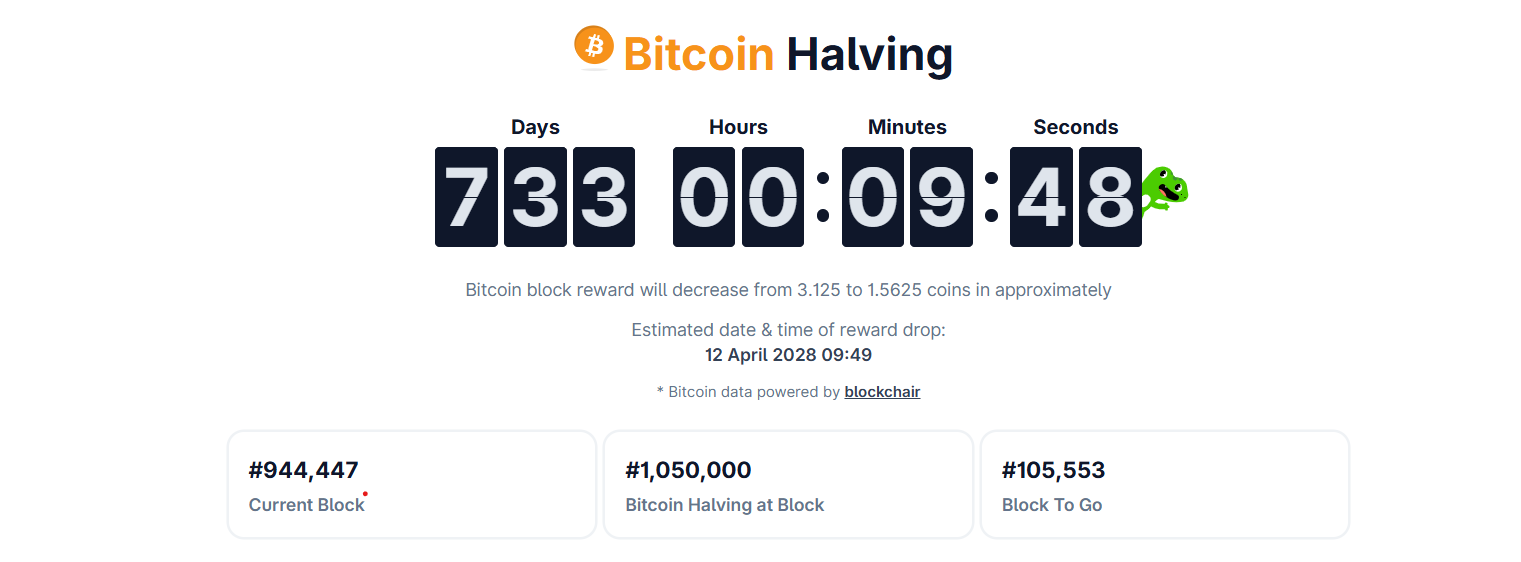
Bitcoin’s fifth halving is roughly two years away, and the mining sector is heading into it with far less margin for error than in 2024, as higher costs, tighter energy markets and clearer regulation reshape the industry.
At the last halving in April 2024, Bitcoin traded at around $63,000 as rewards fell from 6.25 BTC to 3.125 BTC per block, according to Coingecko. In April 2028, at the next halving, miners face higher input costs for half the new coins, as rewards drop to 1.5625 BTC. That looks tougher in a world of record hashrate, higher energy prices and more selective capital.
Energy security has also become a strategic concern after geopolitical shocks jolted fuel and power markets, while regulators from Washington to Europe move from ad-hoc guidance to formal regimes for custody and licensed institutional platforms.
Those pressures are forcing miners to behave less like pure Bitcoin proxies and more like energy and infrastructure companies, monetizing reserves, cutting costs and rethinking capital allocation ahead of the April 2028 Halving.
The shift is also changing how investors assess the sector, with capital increasingly flowing toward operators that can secure long-term power and build infrastructure that extends beyond mining alone.
Balance sheets show tougher pre-halving cycle
Miners are already adjusting. MARA Holdings sold more than 15,000 Bitcoin in March to reduce leverage, Riot Platforms sold over 3,700 BTC in the first quarter, Cango sold 2,000 BTC to pay down Bitcoin-backed debt, and Bitdeer said its Bitcoin holdings had fallen to zero as of Feb. 20.
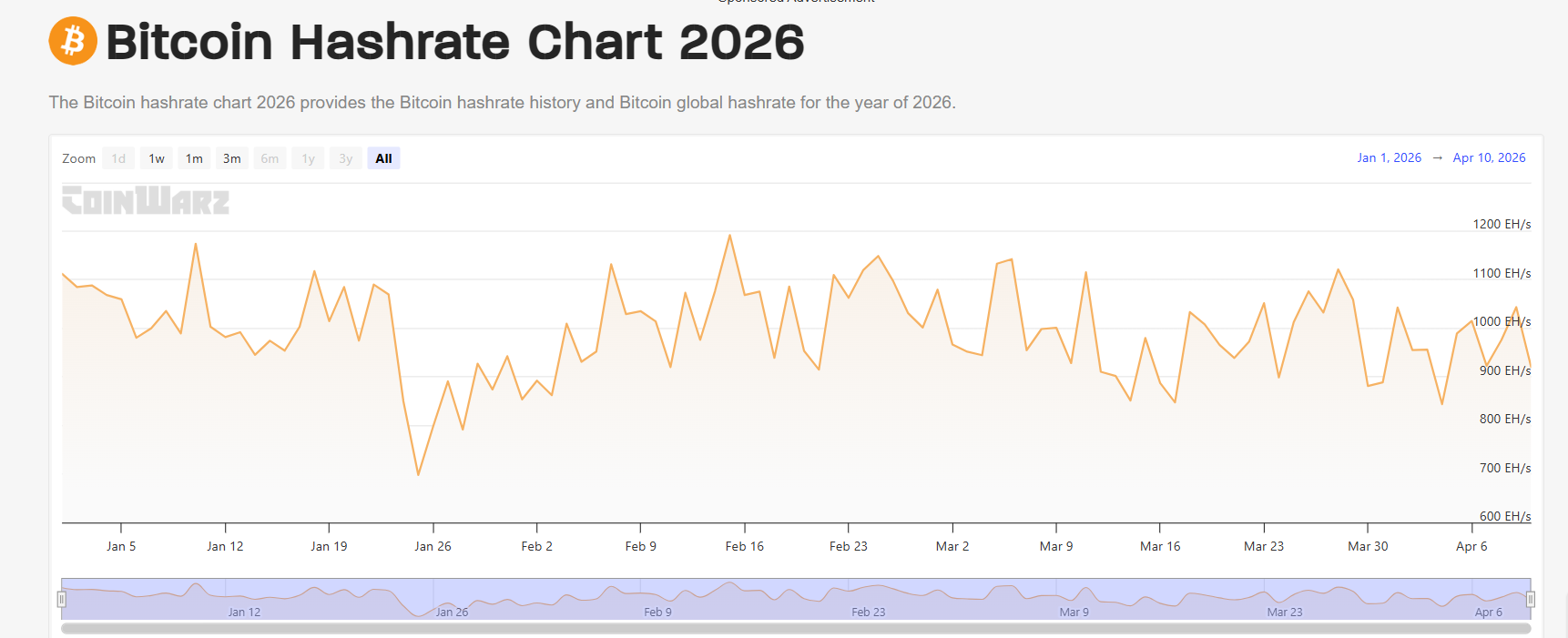
Behind those sales is a broader reset in how miners think about hardware, power and capital. The 2028 halving arrives in “an environment that looks almost nothing like 2024,” Juliet Ye, head of communications at Cango, told Cointelegraph.
She pointed to a widening efficiency gap that is “forcing real decisions around fleet upgrades” and a shift toward long-term energy contracts across multiple regions rather than chasing cheaper tariffs.
“There is less room in the middle now,” she said. “Operators with scale and diversification will be fine. Those without will find the next halving very difficult.”
GoMining struck a similar note. CEO Mark Zalan told Cointelegraph that “capital discipline now matters more than hashrate maximalism” and that new deployments now have to clear tougher return thresholds.
From a mining pool’s perspective, some of the underlying dynamics remain familiar even as the pressure grows. “There is actually very little fundamental difference between this mining cycle and previous ones,” Alejandro de la Torre, co-founder and CEO of Stratum V2 pool DMND, told Cointelegraph. “The same dynamics repeat.”
He expects mining hotspots to reach their peak, then realign, as “no region keeps dominance for long,” opening the door for more decentralization as mid-size miners expand into new energy partnerships.
Business models shift beyond pure block rewards
The economics around the next halving are also shifting away from pure block rewards, which is a “thinner business than it used to be,” Zalan said. He predicted stronger operators will look closer to power and data center businesses, and earn additional revenue through curtailment, grid services and heat reuse.
Cango is already building toward that model. “The facilities that will matter in five years are the ones that can do more than one thing,” Ye said, using mining to fill capacity while positioning sites to toggle between AI workloads and hashpower.
Regulation, once viewed mainly as an overhang, is increasingly part of the investment case. Zalan pointed to more specific rules on custody and banking access in the United States, alongside the European Union’s Markets in Crypto Assets (MiCA) regime and new exchange-traded funds (ETFs), derivatives and settlement rails out of Hong Kong, arguing “capital moves faster when those rules are clear and usable.”
Zalan said that backdrop is shaping both how miners finance themselves and how institutions position for the next issuance cut. He said he does not believe the market has “fully priced the next halving,” arguing that scarcity will meet a “much stronger ecosystem around Bitcoin by the time 2028 arrives.”
Ye sees investors already re-rating miners that lock in high-performance compute contracts, with those operators trading at “more than double the revenue multiple of pure-play miners,” while de la Torre believes supporting large established operators is “no longer the only logical path.”
If the 2024 cycle rewarded miners that rode Bitcoin’s price strength, the run into 2028 may favor operators that can manage debt, lock in power and build infrastructure that earns beyond block subsidies.


All Comments